

Principle and Working Scene Characteristics of Quartz Sand Material Pneumatic Conveying System
Shandong HeadPowder Engineering Co., Ltd., a leading enterprise in the field of powder processing and material handling, specializes in the design, manufacturing, and installation of advanced pneumatic conveying systems. This article delves into the fundamental principles and operational characteristics of quartz sand material pneumatic conveying systems, providing a comprehensive overview for industry professionals and potential clients.
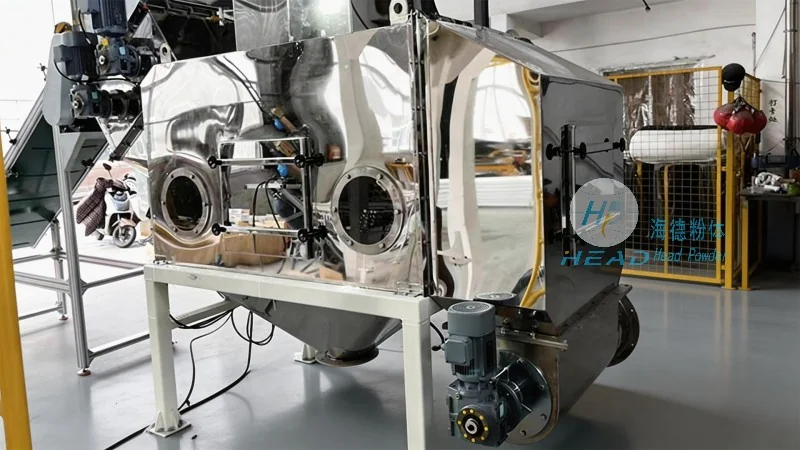
Principle of Pneumatic Conveying Systems
The core principle of a pneumatic conveying system is the transportation of solid materials, such as quartz sand, through a pipeline using a fluid, typically air or gas. The system operates by creating a pressure differential or using suction to move the material from the source to the destination. There are two main types of pneumatic conveying systems: dilute-phase and dense-phase. Dilute-phase systems use high velocity air to suspend the particles, while dense-phase systems employ lower velocity air to push the material in a slurry-like state. For quartz sand, which is a fine to medium-grained material, a dilute-phase system is often preferred due to its efficiency in handling such particles without excessive wear on the system components.
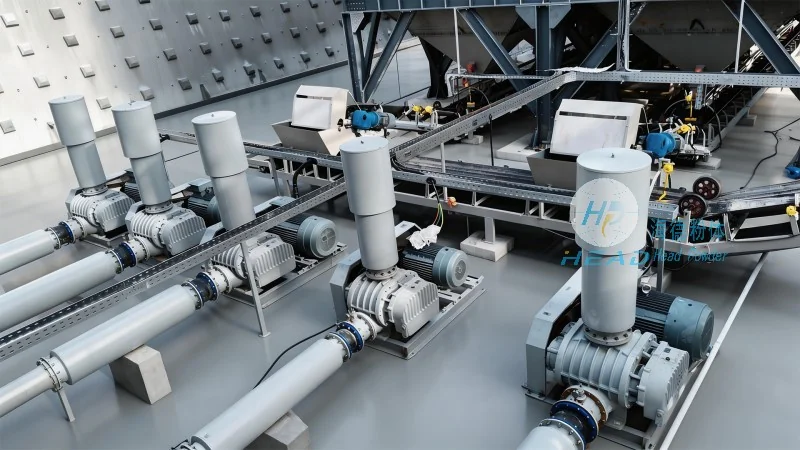
Key Components of the System
A typical quartz sand pneumatic conveying system consists of several critical components that work in tandem to ensure smooth operation. These include the material feeder, which controls the flow rate of quartz sand into the system; the air compressor or blower, which generates the necessary air pressure; the conveying pipeline, which transports the material; the separation and collection equipment, such as cyclones or filters, which separate the material from the air; and the control system, which monitors and regulates the entire process. Each component plays a vital role in maintaining the system's efficiency and reliability.
Working Scene Characteristics
The working scene characteristics of quartz sand pneumatic conveying systems are influenced by various factors, including the material properties, system design, and operational environment. Quartz sand, being a non-combustible, inert material, is widely used in industries such as glass manufacturing, foundries, and construction. The system's performance in these applications is characterized by high efficiency, low maintenance, and the ability to handle large volumes of material over long distances. For instance, in glass production, quartz sand is a primary raw material, and the pneumatic conveying system ensures a continuous and clean supply of the material to the melting furnace. In foundries, the system is used to transport sand molds, which are crucial for the casting process. The characteristics of the working scene also include the need for dust control and environmental compliance, as quartz sand can generate fine particles that may affect air quality. Advanced filtration systems are often integrated into the design to mitigate these issues and ensure safe operation.
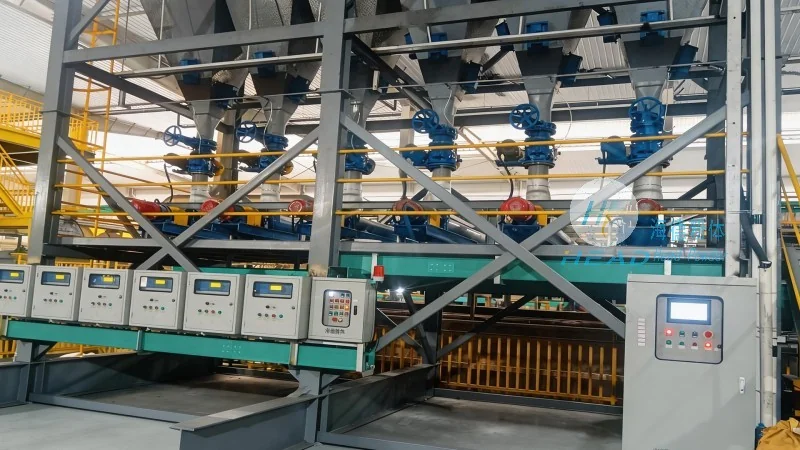
Advantages and Applications
Quartz sand material pneumatic conveying systems offer several advantages over traditional methods like belt conveyors or bucket elevators. These include reduced labor costs, minimal material degradation, and the ability to handle materials in a closed system, which prevents contamination and dust exposure. The system is particularly suitable for applications where the material needs to be transported over long distances or through complex layouts, such as in large industrial plants. The advantages also extend to the flexibility of the system, which can be easily scaled up or modified to accommodate changes in production requirements. In summary, the quartz sand pneumatic conveying system is a versatile and efficient solution for material handling in various industrial sectors.