

Principle and Working Scene Characteristics of Edible Salt Material Conveying Lines
Edible salt, a fundamental ingredient in food processing and preservation, requires efficient and reliable material handling solutions to ensure smooth production workflows. The edible salt material conveying line, developed by Shandong HeadPowder Engineering Co., Ltd., is a specialized system designed to address the unique challenges of transporting salt in various industrial applications. This article explores the core principles behind such conveying systems and highlights the key working scene characteristics that make them indispensable in modern food processing and chemical industries.
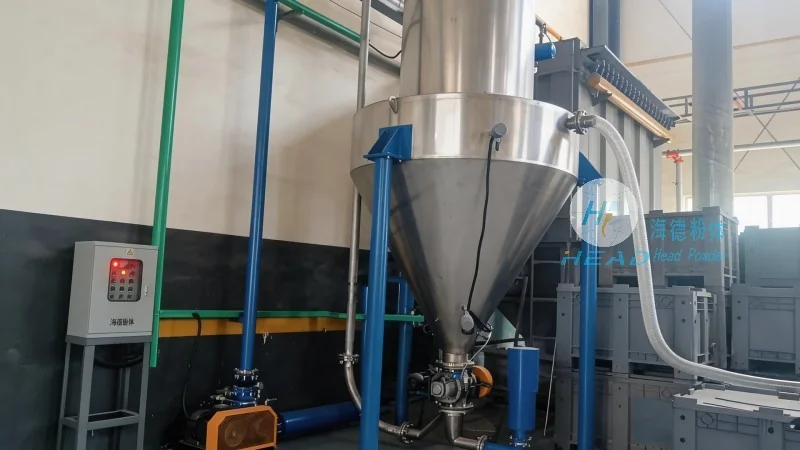
At the heart of the edible salt material conveying line is a combination of mechanical components and control systems engineered to handle the physical properties of salt. The system typically incorporates conveyor belts, screw conveyors, or pneumatic transport mechanisms, each chosen based on the specific requirements of the production environment. For instance, in large-scale food processing plants, a combination of belt conveyors and vertical screw conveyors is often used to move bulk salt from storage silos to processing units. The mechanical design ensures minimal product degradation, maintaining the purity and quality of the edible salt throughout the conveying process.
One of the primary principles of the conveying line is the optimization of material flow. By integrating sensors and control panels, the system can monitor the speed and volume of salt transport, allowing for real-time adjustments to meet production demands. This automation not only enhances efficiency but also reduces labor costs and operational errors. The control system, often integrated with the company's advanced engineering solutions, ensures that the conveying process is synchronized with other production stages, such as mixing, packaging, or quality testing.
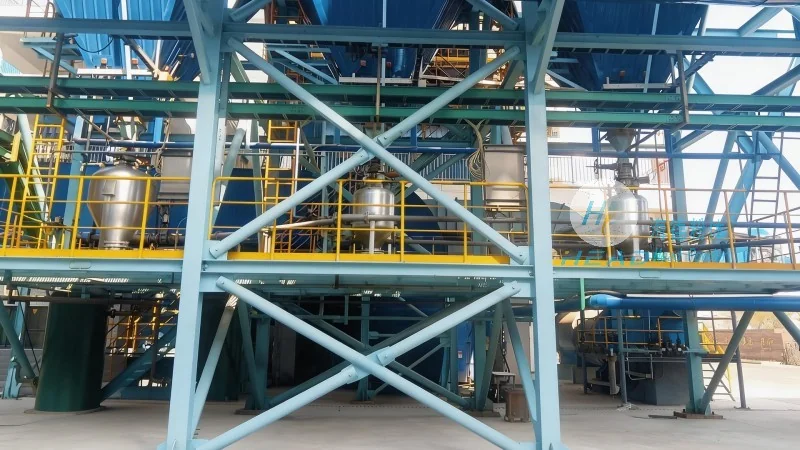
The working scene characteristics of edible salt material conveying lines are tailored to the specific needs of different industries. In food processing facilities, the line is designed to operate in clean, hygienic environments, adhering to strict food safety regulations. This includes the use of stainless steel components, easy-to-clean surfaces, and sealed conveyor systems to prevent contamination. The system is also built to handle varying salt types, including fine granules, coarse crystals, or even brine solutions, ensuring versatility across different production lines.
In chemical and industrial applications, the conveying line may need to accommodate higher temperatures or more aggressive environments. Shandong HeadPowder Engineering Co., Ltd. offers customized solutions that incorporate corrosion-resistant materials and temperature-controlled sections to ensure durability and safety. For example, in salt production plants, the conveying line may need to transport raw salt from mining sites to processing facilities, requiring robust machinery capable of handling heavy loads and abrasive materials.
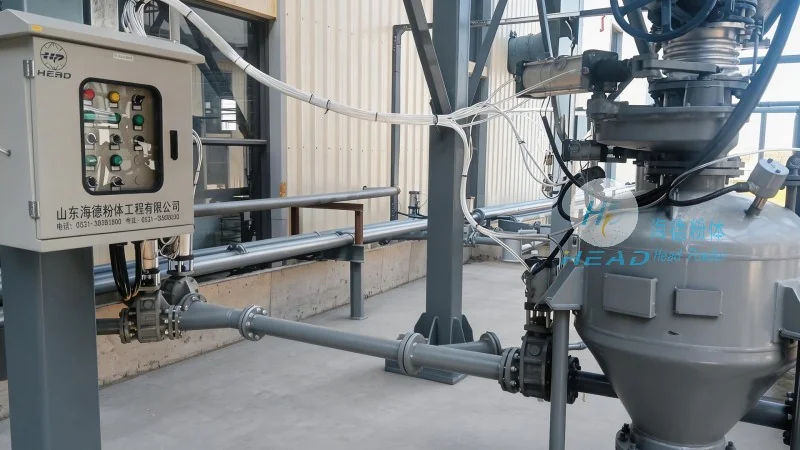
Another critical aspect of the edible salt material conveying line is its integration with other production equipment. The system is designed to seamlessly connect with storage silos, processing machines, and packaging lines, creating a continuous production flow. This integration minimizes downtime and maximizes throughput, which is essential for meeting market demands in competitive industries. The company's expertise in engineering ensures that each component of the conveying line is optimized for performance, reliability, and longevity.
Furthermore, the working scene characteristics include considerations for energy efficiency and environmental impact. Modern conveying systems are designed to minimize energy consumption while maximizing operational efficiency. This includes the use of variable speed drives, which adjust the conveyor speed based on the load, reducing unnecessary energy use. Additionally, the system may incorporate dust collection and filtration systems to maintain air quality in the production environment, aligning with environmental regulations and promoting workplace safety.
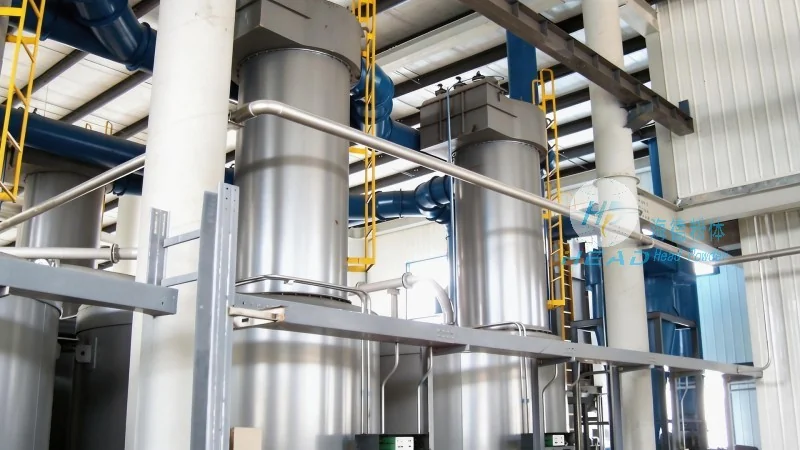
Shandong HeadPowder Engineering Co., Ltd. has established itself as a leading provider of edible salt material conveying lines, leveraging decades of experience in engineering and manufacturing. The company's commitment to quality and innovation has enabled it to deliver customized solutions that meet the unique needs of clients across various industries. With a focus on durability, efficiency, and safety, the conveying lines are built to withstand the demands of continuous operation, ensuring long-term performance and reliability.
Whether used in food processing, chemical manufacturing, or other industrial applications, the edible salt material conveying line plays a vital role in maintaining production efficiency and product quality. By understanding the core principles and working scene characteristics of these systems, businesses can make informed decisions about their material handling solutions, ultimately enhancing their operational capabilities and market competitiveness.