

Principles and Working Scene Characteristics of Polyolefin Material Conveying Lines
Shandong HeadPowder Engineering Co., Ltd., a leading enterprise in the field of material handling solutions, specializes in the design, manufacturing, and installation of advanced conveying systems tailored for polyolefin materials. With a focus on precision and efficiency, the company's polyolefin material conveying lines represent a sophisticated approach to managing the flow of these critical industrial materials.
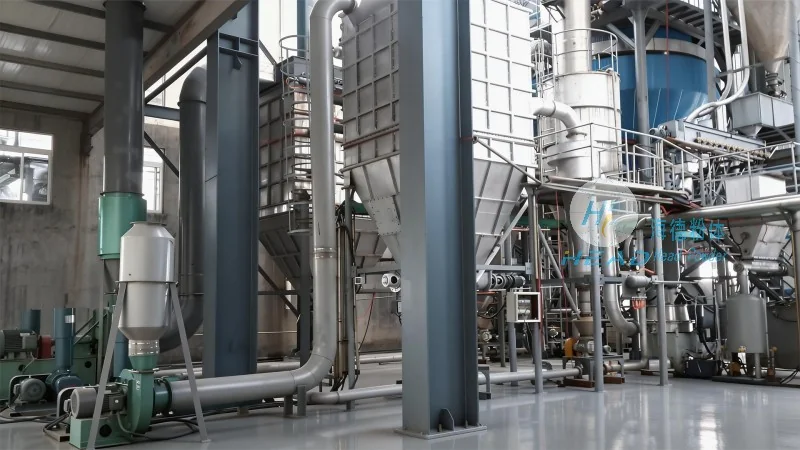
Principles of Polyolefin Material Conveying Lines
Polyolefin material conveying lines operate on the fundamental principles of mechanical transport, utilizing a combination of components such as feeders, conveyors, and control systems to ensure the seamless movement of polyolefin pellets, powders, or granules. The core mechanism involves the transfer of material from a storage hopper or silo to processing equipment, with systems designed to maintain consistent flow rates and prevent material degradation. Key components include rotary feeders, screw conveyors, and pneumatic transport systems, each optimized for the specific properties of polyolefin materials—such as their lightweight, low friction, and susceptibility to static electricity. The control systems integrate sensors and automation technology to monitor and adjust the conveying process in real-time, ensuring operational reliability and minimizing downtime.
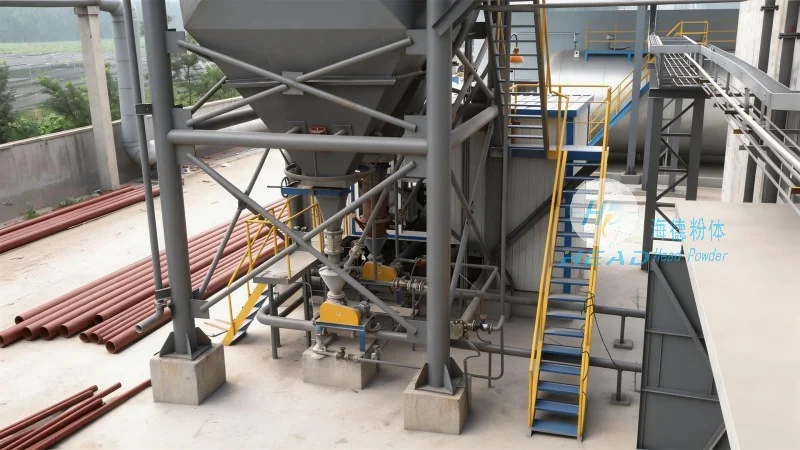
Working Scene Characteristics of Polyolefin Material Conveying Lines
The working scene characteristics of polyolefin material conveying lines are shaped by the unique demands of industrial applications, where efficiency, safety, and material integrity are paramount. These systems are commonly deployed in manufacturing facilities that process polyolefin-based products, including plastics, fibers, and coatings. The environments range from high-volume production lines in petrochemical plants to smaller-scale processing units in specialty chemical manufacturers. A key characteristic is the need for dust control and static management, as polyolefin materials are prone to generating static charges, which can lead to material buildup and safety hazards. Conveying lines are equipped with anti-static measures, such as grounding and ionizers, to mitigate these risks. Additionally, the systems are designed for easy integration with downstream processing equipment, such as extruders, blow molding machines, and injection molding units, ensuring a smooth transition from material transport to production. The working scene also emphasizes energy efficiency, with variable speed drives and optimized conveyor designs reducing power consumption while maintaining performance. Maintenance and accessibility are critical considerations, with modular designs allowing for quick component replacement and routine inspections, minimizing operational disruptions.
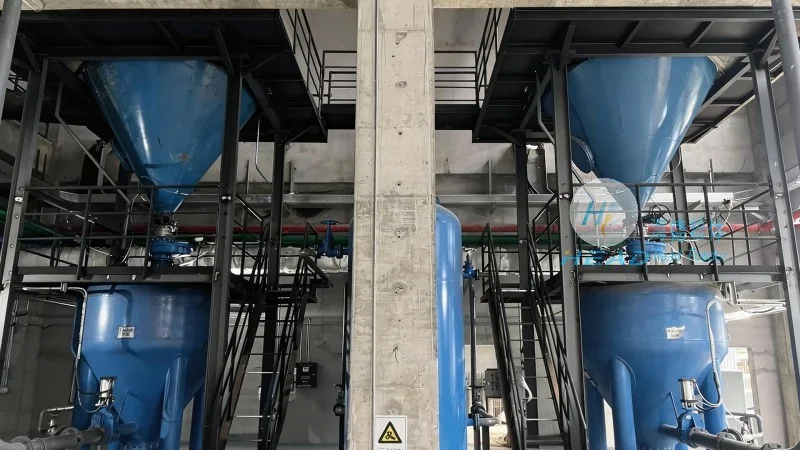
Application Scenarios and Advantages
Polyolefin material conveying lines are integral to a wide array of industrial processes, supporting the production of various products such as packaging films, automotive parts, and textile fibers. The systems are engineered to handle different forms of polyolefin materials, including polyethylene (PE) and polypropylene (PP), adapting to the specific requirements of each application. A significant advantage is the ability to maintain material purity and prevent contamination, which is crucial in industries where product quality directly impacts market performance. The automated control systems enhance operational consistency, reducing the variability often associated with manual handling. Furthermore, the modular design of these conveying lines allows for scalability, enabling companies to expand their production capacity without significant infrastructure changes. The integration of advanced sensors provides real-time data on material flow, enabling predictive maintenance and proactive troubleshooting, which further enhances system reliability and reduces long-term costs.
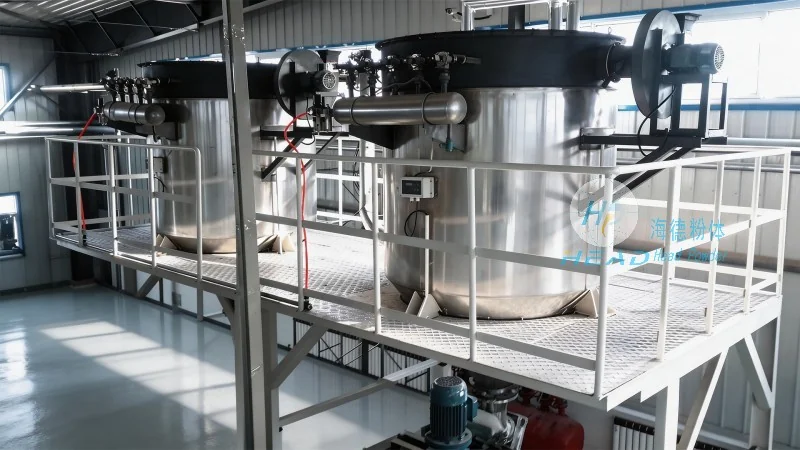
About Shandong HeadPowder Engineering Co., Ltd.
As a trusted provider of material handling solutions, Shandong HeadPowder Engineering Co., Ltd. leverages over [years of experience, if available] in the industry to deliver customized polyolefin material conveying lines that meet the specific needs of its clients. Headquartered in [company address, e.g., China Shandong], the company combines technical expertise with customer-centric service to ensure that each conveying system is tailored to the unique operational requirements of the end-user. By focusing on innovation and quality, HeadPowder has established itself as a leader in the field, providing reliable and efficient solutions for polyolefin material transport across various industrial sectors.