

Principle and Working Scene Characteristics of Manganese Sulfate Material Conveying Lines
Understanding the operational principles and application scenarios of manganese sulfate material conveying lines is crucial for optimizing industrial processes in various sectors. These systems are designed to efficiently transport manganese sulfate, a key chemical compound used in battery production, agriculture, and water treatment applications. The design and functionality of such conveying lines directly impact the efficiency, safety, and reliability of material handling operations.
Core Principles of Manganese Sulfate Material Conveying Systems
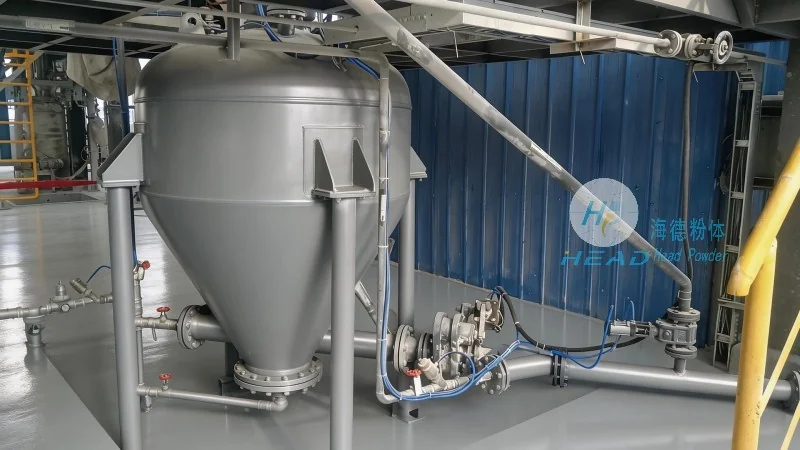
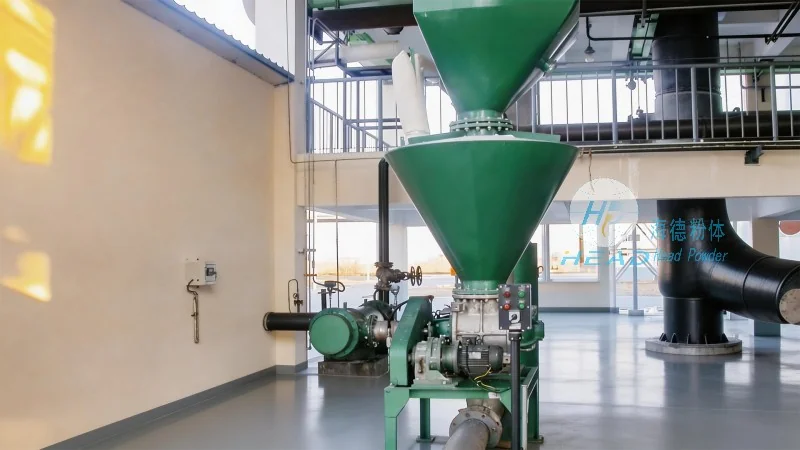
The fundamental principle behind manganese sulfate material conveying lines is the systematic movement of bulk materials from a source to a destination. This is achieved through a combination of mechanical components, including feeders, conveyors, and control systems. The process begins with the material being fed into the system, typically from a storage silo or hopper. A feeder, such as a rotary valve or a vibratory feeder, regulates the flow rate to ensure consistent and controlled material discharge. This initial step is critical for preventing overloading or underloading of the conveyor, which can lead to inefficiencies or equipment damage.
Once the material is properly fed, it is transferred to the conveyor system. Common types of conveyors used in manganese sulfate handling include belt conveyors, screw conveyors, and pneumatic conveyors. Belt conveyors are widely preferred due to their ability to handle large volumes of material with minimal maintenance. The belt, often made of durable materials like rubber or polyurethane, moves the manganese sulfate along a predetermined path. Screw conveyors, on the other hand, use a rotating screw to push the material forward, making them suitable for vertical or inclined transport. Pneumatic conveyors utilize air pressure to transport the material through a pipeline, which is ideal for handling fine powders or dusts, though they require careful management of air pressure and flow rates to avoid material degradation.
Control systems play a vital role in maintaining the stability and efficiency of the conveying line. Sensors and monitoring devices are integrated to track the material level, flow rate, and conveyor speed. These sensors provide real-time data to the control panel, allowing operators to adjust parameters as needed. For example, if the material flow rate is too high, the control system can reduce the feeder speed or adjust the conveyor speed to maintain optimal operation. This feedback loop ensures that the conveying line operates within safe and efficient parameters, minimizing downtime and maximizing productivity.
Key Working Scene Characteristics and Applications
Manganese sulfate material conveying lines are employed in diverse industrial settings, each with unique requirements and operational characteristics. The working scene characteristics of these systems are tailored to meet the specific needs of the application, ensuring reliable and efficient material transport.
In the battery manufacturing industry, manganese sulfate is a critical raw material for producing lithium-ion batteries. The conveying lines in this sector must handle fine powders and maintain high purity standards. The equipment used is often designed with stainless steel components to prevent contamination and corrosion. The conveying systems are typically integrated with dust collection and filtration systems to ensure environmental compliance and product quality. The working environment is characterized by high production volumes and strict quality control measures, requiring the conveying line to operate continuously with minimal interruptions.
In the agricultural sector, manganese sulfate is used as a fertilizer to supplement soil with essential nutrients. The conveying lines for agricultural applications are designed to handle bulk quantities of the material, often in large storage facilities or fertilizer plants. These systems may include bulk handling equipment such as bucket elevators or chain conveyors, which are suitable for transporting the material over longer distances. The working scene in agriculture is characterized by seasonal demand and varying material volumes, necessitating flexible and adaptable conveying solutions. The equipment is built to withstand outdoor conditions and heavy usage, ensuring durability and reliability in field operations.
In water treatment facilities, manganese sulfate is used as a coagulant to remove impurities and improve water quality. The conveying lines in this application must handle wet or slurry materials, requiring specialized equipment like slurry pumps or screw conveyors with water-resistant components. The working environment is often wet and humid, with the need for corrosion-resistant materials to prevent equipment failure. The conveying system is integrated with filtration and treatment processes, ensuring that the manganese sulfate is delivered to the treatment tanks in the correct concentration. The working scene is characterized by continuous operation and strict regulatory compliance, demanding high-performance and reliable conveying equipment.
Operational Efficiency and Maintenance Considerations
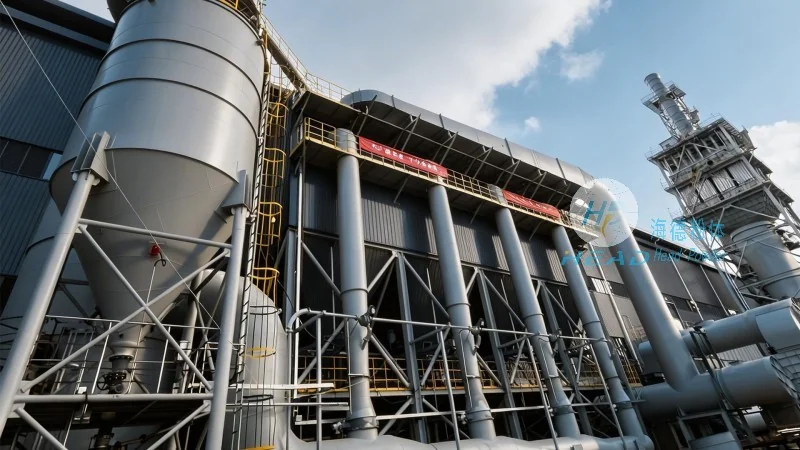
The efficiency of manganese sulfate material conveying lines is directly influenced by proper maintenance and operational practices. Regular maintenance is essential to ensure the longevity and performance of the equipment. This includes routine checks of conveyor belts, bearings, and motor components. The belts should be inspected for wear and tear, and replaced when necessary to prevent material spillage and equipment damage. Bearings and lubrication systems must be maintained to minimize friction and heat generation, which can reduce the lifespan of the equipment. Additionally, the control systems and sensors should be calibrated regularly to ensure accurate monitoring and control of the conveying process.
Operational efficiency is also enhanced by proper material handling practices. The material should be stored in a dry and well-ventilated area to prevent moisture absorption, which can affect the material's properties and handling characteristics. The feeding process should be optimized to avoid material bridging or caking in the hopper or feeder, which can cause blockages and downtime. Proper cleaning of the conveying system after each use is also important to prevent material buildup and contamination. This includes cleaning the conveyor belts, hoppers, and pipelines to remove any residual manganese sulfate, which can degrade over time and affect the quality of subsequent batches.
The working scene characteristics of manganese sulfate material conveying lines vary significantly across different industries, each requiring tailored solutions to meet specific operational needs. In battery manufacturing, the focus is on high-purity and fine powder handling, with stainless steel components and dust control systems. In agriculture, the emphasis is on bulk handling and durability for outdoor use, with equipment designed to withstand heavy usage and varying material volumes. In water treatment, the priority is on handling wet or slurry materials and maintaining corrosion resistance, with systems integrated into treatment processes. These diverse applications highlight the versatility and adaptability of manganese sulfate material conveying lines, making them essential components in modern industrial operations.