

Principle and Working Scene Characteristics of Sodium Carbonate Material Conveying Lines
HeadPowder, a leading engineering firm based in Shandong, China, specializes in the design, manufacturing, and installation of advanced material handling systems tailored for various industrial applications. Among their portfolio, the sodium carbonate material conveying line stands out as a critical solution for efficiently transporting sodium carbonate, a widely used chemical in industries such as glass manufacturing, paper production, and chemical processing. This article delves into the operational principles and distinctive working scene characteristics of these conveying lines, highlighting their role in optimizing material flow and enhancing operational efficiency.
Understanding the Core Principle of Sodium Carbonate Conveying Lines
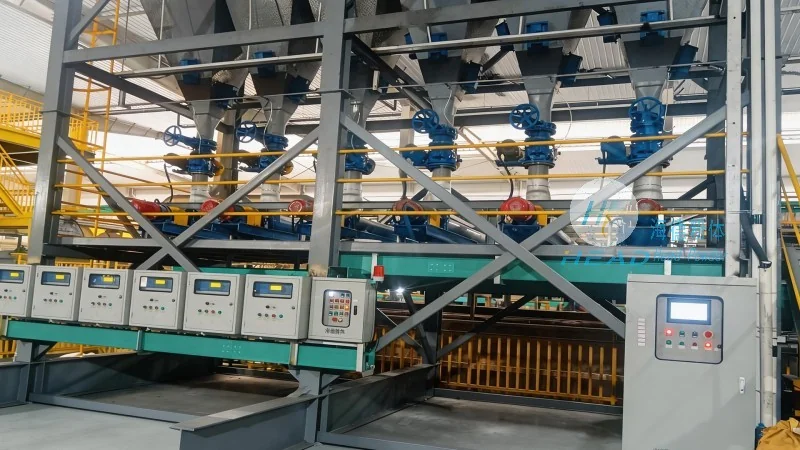
The sodium carbonate material conveying line operates on a systematic approach to move bulk sodium carbonate from storage or production areas to processing units. At its heart, the system integrates several key components, including feeders, conveyors (such as belt conveyors, screw conveyors, or pneumatic conveyors), and control systems. The primary principle revolves around ensuring a continuous, controlled flow of material while maintaining the integrity of the sodium carbonate, which is crucial due to its chemical properties and potential for dust generation. The feeders, typically equipped with adjustable speed controls, regulate the input rate of sodium carbonate into the conveyor, preventing overloading and ensuring consistent material feed. The conveyor itself, often selected based on the specific characteristics of the material—such as bulk density, flowability, and dustiness—transports the sodium carbonate through a defined path, which may include vertical lifts, horizontal runs, or a combination of both. Control systems, integrated with sensors and automation technology, monitor the flow rate, pressure, and other parameters in real-time, allowing for immediate adjustments to maintain optimal performance. This integrated approach ensures that the conveying process is both efficient and safe, minimizing the risk of material spillage, blockages, or equipment damage.
Working Scene Characteristics: Tailored for Industrial Efficiency
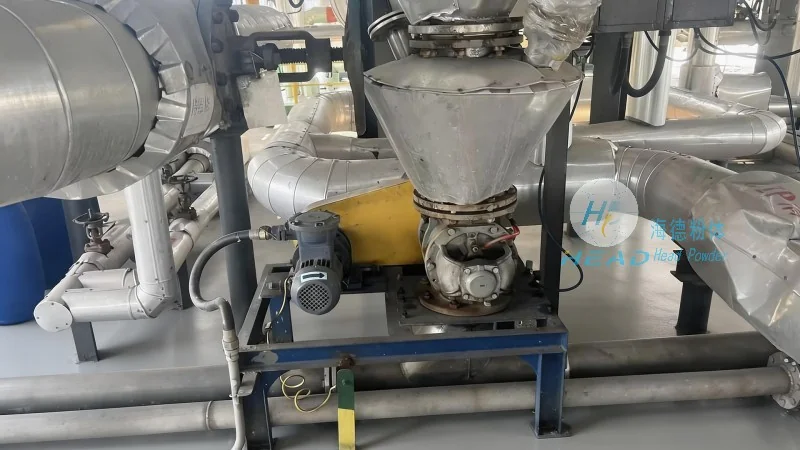
The working scene characteristics of sodium carbonate material conveying lines are designed to adapt to the specific demands of industrial environments where sodium carbonate is processed or used. These characteristics include adaptability to different material handling needs, flexibility in system configuration, and robustness to handle the unique challenges posed by sodium carbonate. For instance, in glass manufacturing facilities, where sodium carbonate is a key raw material for glass production, the conveying line must be capable of handling large volumes of material with precision, often requiring high-capacity conveyors and efficient feeding mechanisms. The system’s ability to integrate with existing production lines is another critical characteristic, as it allows for seamless integration without disrupting ongoing operations. Additionally, the working scene characteristics emphasize safety and compliance with industrial standards, incorporating features such as dust suppression systems, explosion-proof designs (where necessary), and easy maintenance access points. The flexibility in the conveying line’s design also enables customization to suit various spatial constraints, whether in a compact factory floor or a large-scale industrial plant. This adaptability ensures that the system can be deployed in diverse working environments, from small-scale processing units to large-scale production facilities, making it a versatile solution for sodium carbonate handling.
Technical Advantages and Operational Benefits
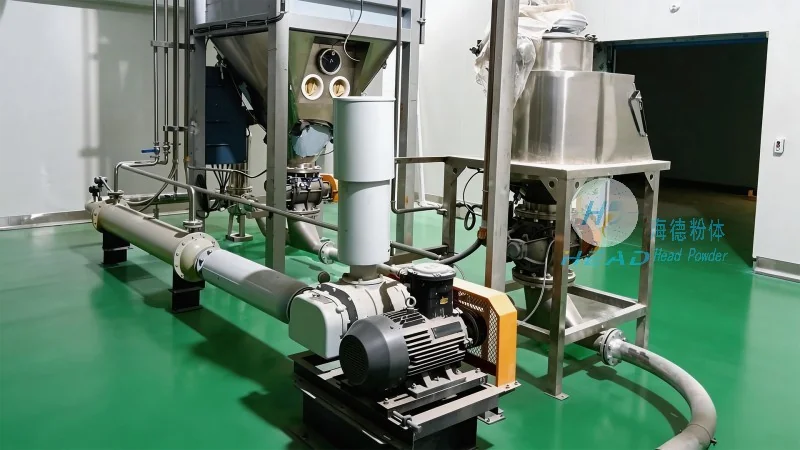
Implementing a sodium carbonate material conveying line offers several technical advantages and operational benefits that enhance overall productivity and cost-effectiveness. One of the primary advantages is the reduction in manual labor, as the automated system handles the bulk of material transport, minimizing the need for human intervention in hazardous or repetitive tasks. This not only improves safety but also increases operational efficiency by allowing workers to focus on other critical processes. The system’s ability to maintain consistent material flow rates contributes to improved process control, leading to more uniform product quality and reduced waste. Furthermore, the use of advanced control systems enables real-time monitoring and data collection, providing valuable insights into system performance and potential areas for optimization. This data-driven approach helps in proactive maintenance, reducing downtime and extending the lifespan of the equipment. The robust construction of the conveying line, designed to withstand the abrasive nature of sodium carbonate and the environmental conditions of industrial settings, ensures long-term reliability and minimal maintenance costs. Overall, the sodium carbonate material conveying line from HeadPowder provides a reliable, efficient, and cost-effective solution for material handling, aligning with the needs of modern industrial operations.