

Principle and Working Scene Characteristics of Sulfur Tablet Material Conveying Lines
HeadPowder, a leading manufacturer based in Shandong, China, specializes in designing and manufacturing efficient material conveying systems tailored for various industrial applications. This article explores the fundamental principles behind sulfur tablet material conveying lines and highlights the key working scene characteristics that make these systems effective in different industrial settings.
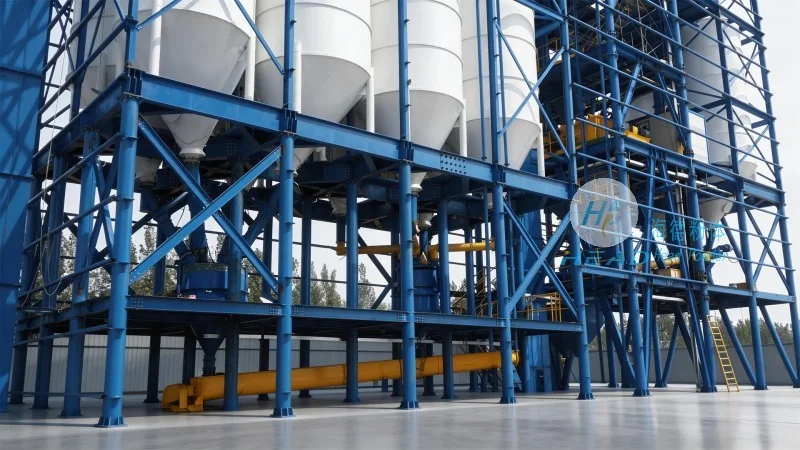
Core Principles of Sulfur Tablet Material Conveying Lines
The operation of sulfur tablet material conveying lines is based on several core principles that ensure efficient and reliable material transport. These principles include mechanical force application, continuous motion, and precise control mechanisms. The system typically involves a series of components such as feeders, conveyors, and control units that work in tandem to move sulfur tablets from one location to another. Mechanical force is applied through motors or other power sources to drive the conveyor belts or rollers, ensuring consistent movement of the tablets. Continuous motion is maintained by the design of the conveyor system, which prevents material accumulation and ensures a steady flow. Precise control mechanisms, often integrated with sensors and automation technology, allow for real-time monitoring and adjustment of the conveying process, optimizing efficiency and reducing downtime.
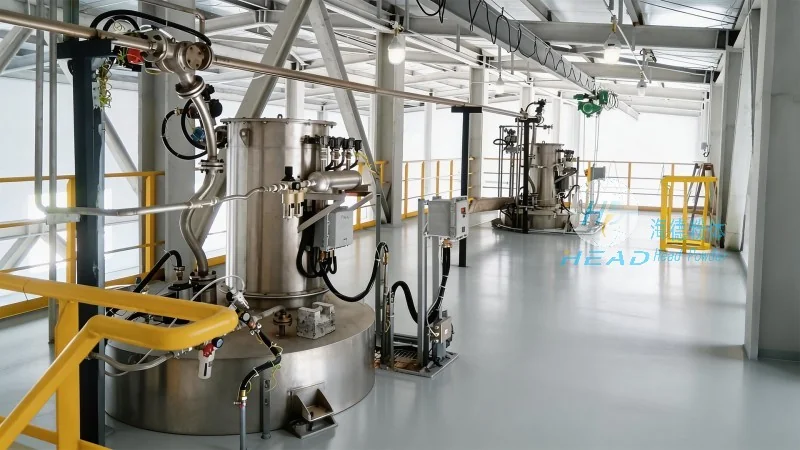
Key Working Scene Characteristics
The working scene characteristics of sulfur tablet material conveying lines are influenced by several factors, including the nature of the material, the production environment, and the required throughput. In industrial settings, these systems are commonly used in pharmaceutical, chemical, and food processing industries where the handling of sulfur tablets requires strict adherence to quality and safety standards. The working scene may involve high-volume production lines where the conveying system must handle large quantities of tablets efficiently. Additionally, the environment may include temperature and humidity controls to maintain the integrity of the sulfur tablets. The characteristics also include the need for minimal material loss and contamination, which is achieved through the use of sealed and enclosed conveyor systems. Another important characteristic is the adaptability of the system to different production scales, from small-scale batch processing to large-scale continuous production. This flexibility allows the conveying line to be integrated into existing production facilities or used as a standalone system for specific applications.
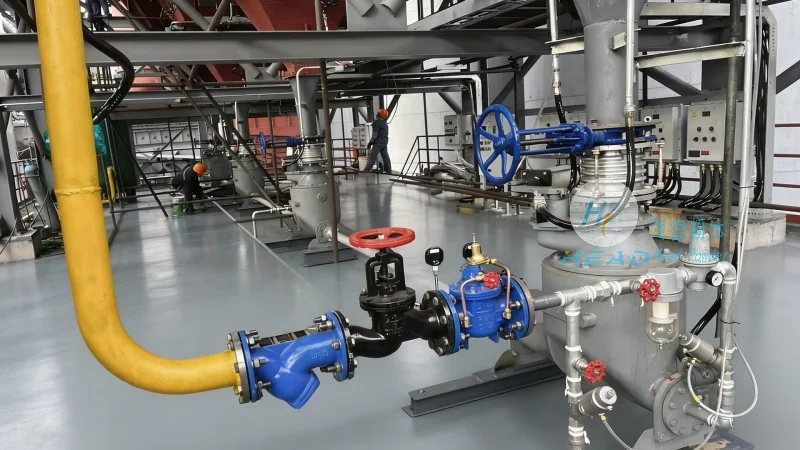
System Components and Their Functions
A typical sulfur tablet material conveying line consists of several key components, each playing a crucial role in the overall operation. The primary components include the material feeder, which is responsible for uniformly feeding the sulfur tablets into the conveyor system. The feeder may be a hopper or a rotary valve that ensures a consistent flow of material. The conveyor itself, which can be a belt conveyor, screw conveyor, or chain conveyor, is designed to transport the tablets along the required path. The control unit, equipped with sensors and automation software, monitors the system's performance and adjusts parameters as needed. For example, a level sensor may detect the material level in the hopper and trigger the feeder to adjust its speed. The system may also include a sorting or screening mechanism to remove any defective tablets before they proceed to the next stage. Additionally, the conveying line may be equipped with safety features such as emergency stop buttons and protective guards to ensure operator safety. The materials used in the construction of the conveyor components, such as stainless steel or corrosion-resistant alloys, are chosen to withstand the chemical properties of sulfur tablets and prevent contamination.
Application Scenarios and Industry Integration
Sulfur tablet material conveying lines are widely used in various industrial applications where the efficient transport of solid materials is critical. In the pharmaceutical industry, these systems are used to move sulfur tablets from the manufacturing line to packaging units, ensuring a smooth and controlled process. The conveying line may be integrated with other equipment such as mixers, granulators, or tablet presses to form a complete production line. In the chemical industry, the system is used to transport sulfur tablets from storage to processing units, where they are used as raw materials in the production of other chemicals. The working scene in these industries often involves high-speed production lines with automated controls, requiring the conveying system to operate with minimal human intervention. Another application scenario is in the food processing industry, where the conveying line is used to transport sulfur tablets used as preservatives or additives. The system must meet strict hygiene standards, with components that are easy to clean and maintain. The integration of the conveying line into existing production facilities requires careful planning to ensure compatibility with existing equipment and processes. This may involve modifying the conveyor path or adjusting the speed and capacity to match the existing production rate. The working scene may also include the need for scalability, where the system can be expanded to accommodate increased production volumes without significant modifications. This flexibility is crucial for industries that experience growth or seasonal variations in demand.
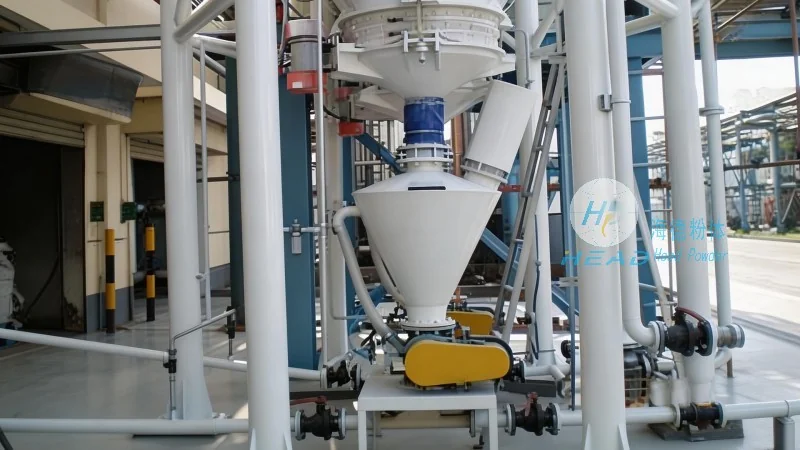
Advantages and Benefits of Sulfur Tablet Material Conveying Lines
Implementing a sulfur tablet material conveying line offers several advantages and benefits for industrial operations. The primary advantage is the improvement in efficiency and productivity, as the system automates the material transport process, reducing the need for manual handling. This leads to increased throughput and reduced production time. Another benefit is the reduction in labor costs, as fewer workers are required to handle the material, and the risk of workplace injuries is minimized. The system also enhances safety by eliminating the need for workers to handle heavy or potentially hazardous materials manually. Additionally, the precise control mechanisms ensure that the material is transported in a consistent and uniform manner, reducing the risk of damage or contamination. The use of automated sensors and controls allows for real-time monitoring and data collection, enabling better process optimization and quality control. The system's adaptability to different production scales and environments makes it a versatile solution for various industrial applications. The durability and reliability of the components, such as the conveyor belts and control units, ensure long-term operation with minimal maintenance requirements. This reduces downtime and maintenance costs, contributing to overall operational efficiency. The environmental benefits of the system include reduced material waste and lower energy consumption compared to manual handling methods. The enclosed design of the conveyor system also helps in controlling dust and emissions, contributing to a cleaner working environment.