

Principle and Working Scene Characteristics of Polycrystalline Silicon Material Conveying Lines
Polycrystalline silicon material conveying lines are critical components in the manufacturing processes of solar energy and semiconductor industries. These systems are designed to efficiently transport raw materials and finished products through various stages of production, ensuring smooth workflow and operational efficiency. The following content provides an in-depth look at the principles underlying these conveying lines and the specific characteristics of their working environments.
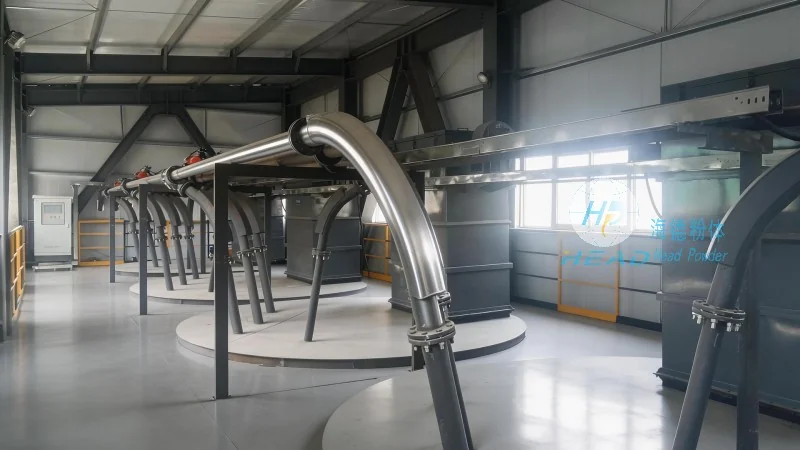
About HeadPowder Engineering
HeadPowder Engineering, a leading manufacturer in the field, specializes in the design, development, and implementation of advanced material handling solutions. With a strong focus on precision engineering and customer-centric approaches, the company has established itself as a trusted partner for businesses seeking reliable conveying systems. HeadPowder Engineering is headquartered in Shandong, China, where it leverages local expertise and resources to deliver high-quality products tailored to diverse industrial needs.
Overview of Polycrystalline Silicon Material Conveying Lines
Polycrystalline silicon material conveying lines are sophisticated systems engineered to handle the unique properties of silicon materials, which are essential for solar panel and semiconductor production. These lines typically consist of a series of interconnected components, including feeders, conveyors, storage units, and control systems. The primary function is to move silicon ingots, wafers, or other forms of silicon-based materials from one processing stage to another with minimal downtime and maximum accuracy. The design of these systems is tailored to meet the specific requirements of each production line, ensuring compatibility with existing equipment and processes.
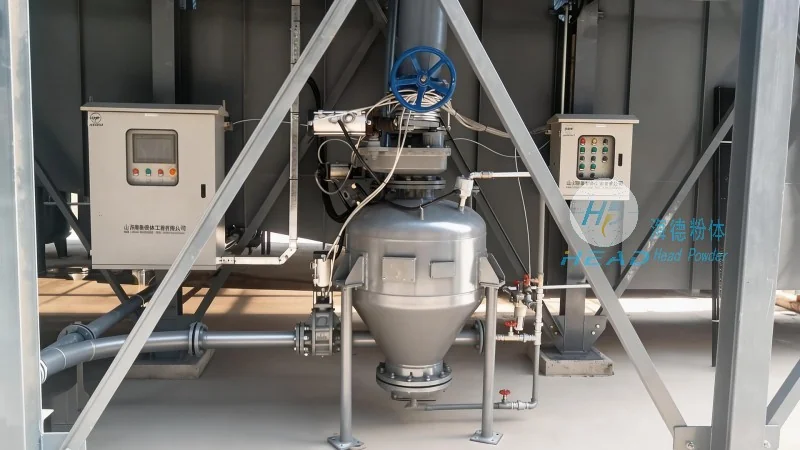
The Principle of Material Conveying
The core principle of polycrystalline silicon material conveying lines revolves around the efficient transfer of materials through mechanical or pneumatic means. Mechanical conveyors, such as belt conveyors, screw conveyors, and chain conveyors, are commonly used to transport solid materials like silicon ingots and wafers. These systems utilize gravity, motor-driven mechanisms, or a combination of both to move materials along designated paths. Pneumatic conveyors, on the other hand, employ compressed air to transport materials in a closed system, which is particularly effective for handling fine powders or small particles. The choice of conveyor type depends on factors such as material size, weight, and the required speed of transfer. In addition to the conveying mechanism, these systems often incorporate sensors and control units to monitor the flow of materials, detect blockages, and adjust the speed of operation as needed. This integration of automation ensures consistent performance and reduces the risk of material loss or damage during transit.
Working Scene Characteristics
The working environments of polycrystalline silicon material conveying lines are characterized by high precision, cleanliness, and strict temperature control. These systems are typically installed in cleanroom facilities or controlled environments to prevent contamination of the silicon materials, which are highly sensitive to dust and moisture. The production lines operate in a sterile atmosphere, with air filtration systems and positive pressure rooms maintaining air quality standards. Temperature and humidity are carefully regulated to ensure the stability of the silicon materials and the optimal performance of the conveying equipment. Additionally, the working scenes are designed for high throughput, with multiple conveyor lines running in parallel to meet the demands of large-scale production. The layout of these systems is optimized for minimal human intervention, reducing the risk of errors and improving overall operational efficiency. Safety features, such as emergency stop buttons and protective enclosures, are integrated into the design to protect operators and prevent accidents in the event of system malfunctions.
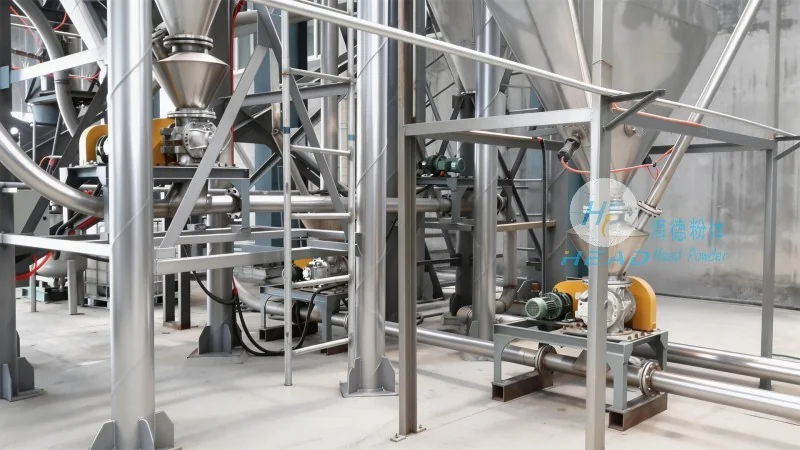
Key Features and Advantages
Polycrystalline silicon material conveying lines offered by HeadPowder Engineering are equipped with several key features that enhance their performance and reliability. These include adjustable speed controls, which allow operators to match the conveyor speed to the production rate, thereby optimizing throughput and reducing energy consumption. The systems also feature durable construction materials, such as stainless steel and corrosion-resistant alloys, to withstand the harsh conditions of silicon processing and ensure long-term durability. Advanced control systems, including programmable logic controllers (PLCs) and human-machine interfaces (HMIs), provide real-time monitoring and remote control capabilities, enabling quick adjustments and troubleshooting. The modular design of these conveying lines allows for easy integration with existing production lines and future expansion, making them a flexible solution for growing businesses. Furthermore, the use of high-quality bearings and drive systems minimizes maintenance requirements and extends the lifespan of the equipment, resulting in lower operational costs over time.
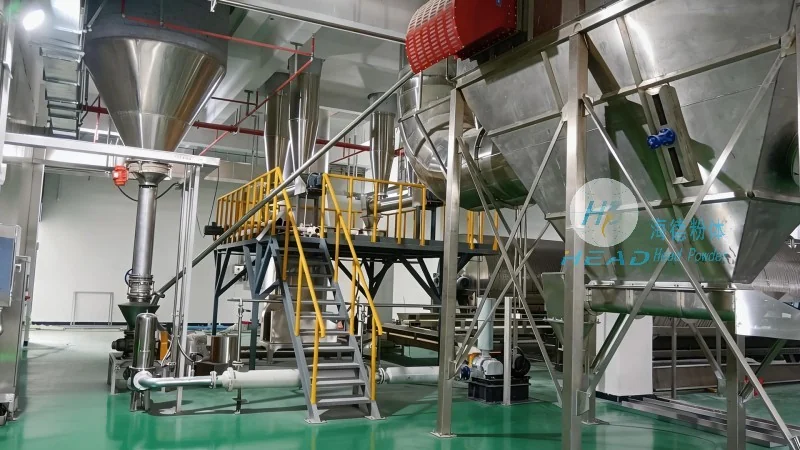
Application Scenarios
Polycrystalline silicon material conveying lines are widely used in various industrial applications, particularly in the solar energy and semiconductor sectors. In solar panel manufacturing, these systems are crucial for transporting silicon ingots from the casting and cooling stages to the slicing and polishing processes. The conveyors ensure that the ingots are moved safely and efficiently, reducing the risk of breakage or damage that could affect the quality of the final solar panels. In semiconductor manufacturing, the conveying lines are used to transport silicon wafers between different processing steps, such as doping, etching, and deposition. The precision and reliability of these systems are critical to maintaining the uniformity and quality of the wafers, which are essential for the production of high-performance electronic components. Additionally, these conveying lines are employed in research and development facilities to transport experimental silicon samples, allowing scientists to conduct precise tests and analyses. The versatility of polycrystalline silicon material conveying lines makes them suitable for a wide range of applications, from large-scale industrial production to laboratory-scale research.
Conclusion
Polycrystalline silicon material conveying lines are essential for the efficient and reliable operation of modern manufacturing processes in the solar and semiconductor industries. The principles underlying these systems, combined with their working scene characteristics, ensure that materials are transported with precision and care. HeadPowder Engineering's expertise in designing and manufacturing these conveying lines has helped numerous companies achieve higher productivity, lower maintenance costs, and improved product quality. As the demand for solar energy and semiconductor products continues to grow, the importance of efficient material handling systems will only increase, making polycrystalline silicon material conveying lines a vital component of future industrial operations.