

Principle and Working Scene Characteristics of Plastic Pellet Material Conveying Lines
Plastic pellet material conveying lines are essential systems in the plastic processing industry, designed to efficiently transport plastic pellets from storage to processing equipment. These lines play a crucial role in maintaining production efficiency and ensuring smooth workflow in plastic manufacturing facilities.
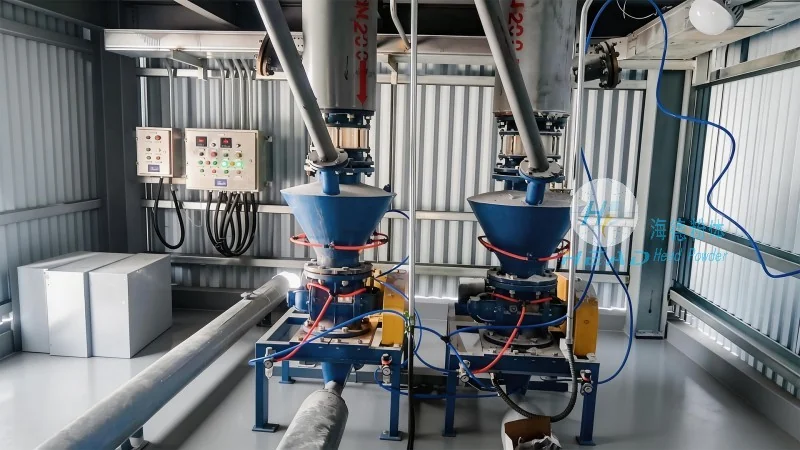
Understanding the Core Principle of Plastic Pellet Conveying Systems
The fundamental principle of plastic pellet conveying lines is to move plastic pellets from a storage hopper or silo to the extrusion or molding machines with minimal loss and maximum efficiency. The system typically consists of components such as feeders, conveyors (like screw conveyors or pneumatic conveyors), and control systems. The feeders regulate the flow of pellets, while the conveyors transport them through the line. Control systems ensure the process operates smoothly, adjusting speed and flow as needed to match production demands. This integrated approach ensures consistent material delivery, which is vital for maintaining product quality and reducing downtime.
Key Working Scene Characteristics of Plastic Pellet Conveying Lines
Plastic pellet conveying lines are deployed in various working scenarios across the plastic industry. In manufacturing plants, these systems are commonly used in environments where large volumes of plastic pellets need to be moved quickly and reliably. For instance, in polymer production facilities, conveying lines connect raw material storage areas to extrusion lines, enabling continuous production. In recycling plants, they transport recycled plastic pellets from sorting and cleaning stages to reprocessing equipment. The working scene characteristics include high throughput requirements, often handling thousands of kilograms of material per hour, and the need for dust control and material containment to maintain a safe and clean working environment. Additionally, these systems must be durable and resistant to the chemical properties of plastic materials to ensure long-term operation without maintenance issues.
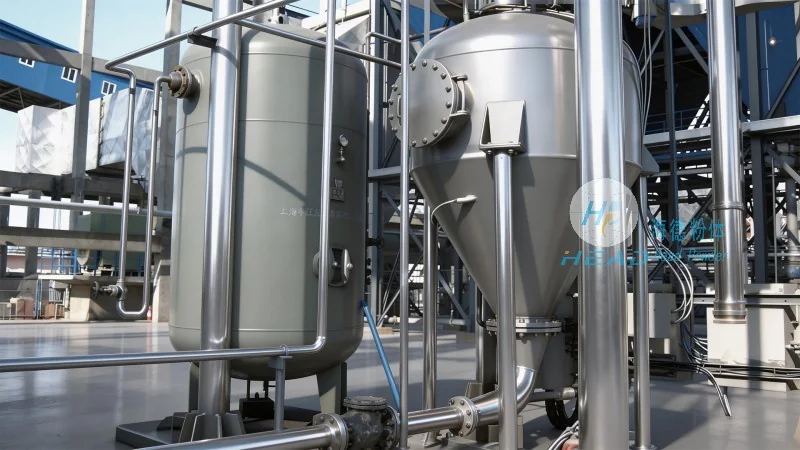
Application Examples and Industry Integration
HeadPowder, a leading provider of plastic processing solutions, offers advanced plastic pellet conveying lines tailored to specific industry needs. In a typical application, a conveying line might be integrated into a plastic extrusion plant where it connects a bulk storage silo to an extruder. The system uses a screw conveyor to move pellets at a controlled rate, ensuring a steady feed to the extruder. This setup minimizes material handling time and reduces the risk of pellet degradation from exposure to air or moisture. Another example is in a plastic molding facility, where the conveying line transports pellets from a hopper to an injection molding machine. The line is designed with features like air filtration and material drying to maintain pellet quality, which is critical for producing high-quality molded parts. These applications demonstrate how plastic pellet conveying lines enhance operational efficiency and product consistency across different manufacturing stages.
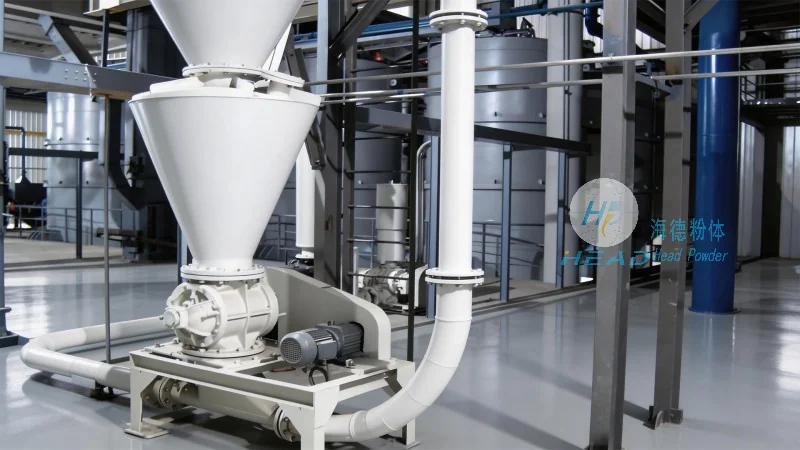
Technical Advantages and Customization Options
Modern plastic pellet conveying lines from HeadPowder feature several technical advantages that set them apart in the industry. These systems are engineered for high efficiency, with optimized conveyor speeds and material flow rates that reduce energy consumption and operational costs. They also incorporate advanced control technologies, such as PLC (Programmable Logic Controller) systems, which allow for precise monitoring and adjustment of the conveying process. This automation ensures consistent performance and minimizes human error. Customization is another key aspect, as HeadPowder can tailor conveying lines to meet specific customer requirements. For example, clients can specify the type of conveyor (screw, belt, or pneumatic), the material of construction (stainless steel, carbon steel, or special alloys), and additional features like dust collection or material drying units. This flexibility allows the system to adapt to various plastic types, production volumes, and environmental conditions, ensuring optimal performance in diverse working scenarios.
Conclusion and Company Overview
Plastic pellet material conveying lines are indispensable components of modern plastic processing operations, offering efficient, reliable, and customizable solutions for material transport. HeadPowder, with its expertise in plastic engineering, provides high-quality conveying systems that enhance production efficiency and product quality. Based in Shandong, China, HeadPowder Engineering Co., Ltd. has established itself as a trusted partner in the plastic industry, delivering innovative solutions that meet the evolving needs of manufacturers. The company’s commitment to quality and customer satisfaction ensures that its conveying lines are not only effective but also durable and cost-efficient, making them a preferred choice for businesses seeking to optimize their plastic processing workflows.