

Principles and Application Scenarios of PVC Material Handling Equipment
HeadPowder, a leading manufacturer based in Shandong, China, specializes in the design and production of PVC material handling equipment. This article delves into the fundamental principles of such equipment and explores the diverse work scenarios where these systems are commonly employed, providing a comprehensive overview for industry professionals and potential clients.
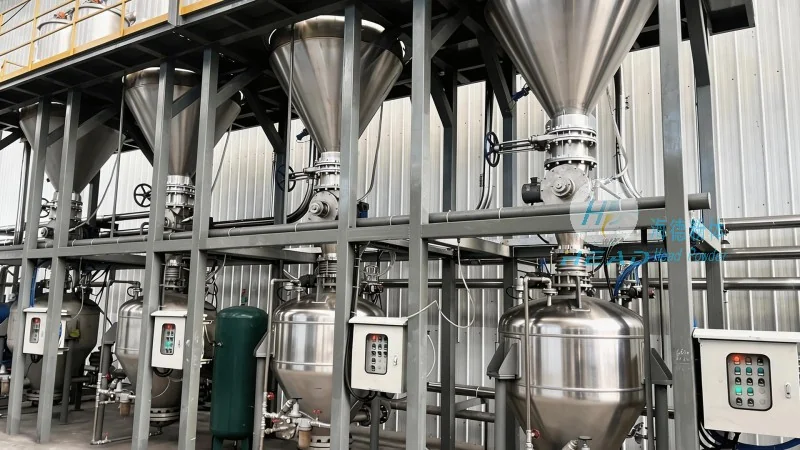
Understanding the Core Principles of PVC Material Handling Equipment
PVC material handling equipment operates on several key principles to ensure efficient and reliable material transport. The primary mechanism involves the use of conveyor systems, which can be categorized into various types such as belt conveyors, screw conveyors, and pneumatic conveyors. Each type is selected based on the specific characteristics of the PVC material, including its density, flowability, and potential for dust generation. For instance, belt conveyors are ideal for transporting bulk PVC pellets or granules over short to medium distances, while screw conveyors are better suited for vertical or inclined transport due to their ability to handle materials with higher moisture content or sticky properties. Pneumatic conveyors, on the other hand, utilize air pressure to move PVC particles through a closed system, making them particularly effective for handling fine powders or dust that require dust control measures.
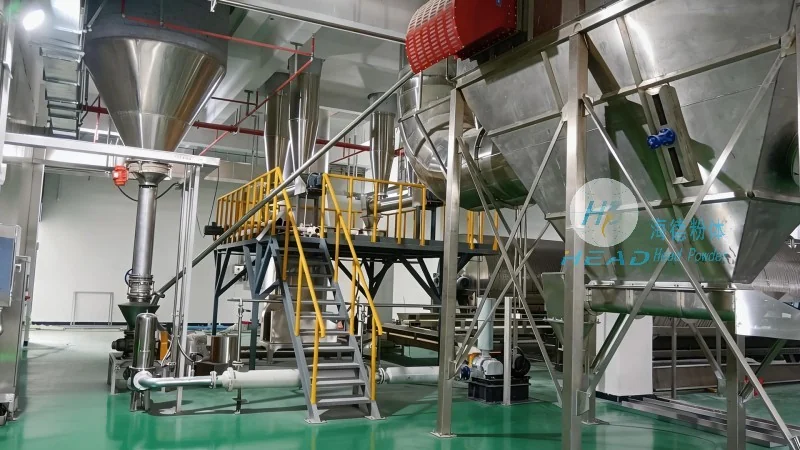
Key Components and Their Functions in PVC Material Handling Systems
Effective PVC material handling relies on a combination of essential components that work in harmony to ensure smooth operation. The main components include the feeding mechanism, conveyor body, drive system, and control unit. The feeding mechanism, often a hopper or a feeder, is responsible for uniformly supplying the PVC material into the conveyor system, preventing blockages and ensuring consistent flow. The conveyor body, which can be made of stainless steel or other corrosion-resistant materials, is designed to withstand the chemical properties of PVC and maintain hygiene standards. The drive system, typically an electric motor coupled with a gearbox, provides the necessary power to move the material along the conveyor path. The control unit, equipped with sensors and a programmable logic controller (PLC), monitors the system's performance, adjusts speed as needed, and alerts operators to any anomalies, such as overloads or blockages. These components are carefully integrated to create a robust and efficient system that minimizes downtime and maximizes productivity.
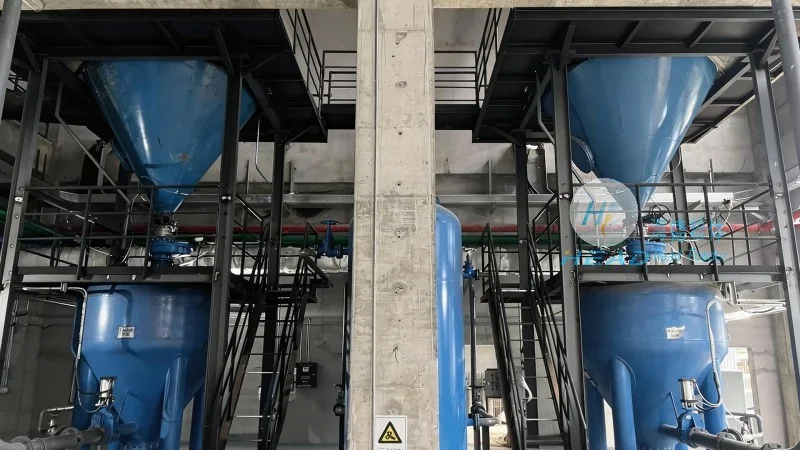
Common Work Scenarios for PVC Material Handling Equipment
PVC material handling equipment is widely used across various industries due to its adaptability and efficiency. One of the most common applications is in the plastic manufacturing sector, where PVC pellets are transported from storage silos to processing machines for extrusion or molding. In this scenario, the equipment ensures a continuous supply of raw material, reducing the risk of production interruptions. Another key application is in the construction industry, where PVC pipes and profiles are moved from warehouses to construction sites. The equipment helps streamline the logistics process, allowing for timely delivery and installation. Additionally, in the packaging industry, PVC film or sheet materials are handled using conveyor systems to facilitate cutting, wrapping, and packaging operations. The versatility of PVC material handling equipment also makes it suitable for recycling facilities, where PVC waste is sorted, transported, and processed for re-use. Each of these scenarios highlights the importance of selecting the right equipment based on the specific operational requirements and material characteristics.
Advantages of Using PVC Material Handling Equipment
Implementing PVC material handling equipment offers numerous advantages that contribute to improved operational efficiency and cost savings. One of the primary benefits is enhanced safety, as automated systems reduce the need for manual handling of heavy or hazardous materials, minimizing the risk of workplace injuries. Additionally, these systems improve material flow and reduce the likelihood of material loss or contamination, which is crucial for maintaining product quality. The consistent and controlled transport of PVC materials also leads to better process control in manufacturing, resulting in higher product yields and reduced waste. Furthermore, the use of advanced control systems allows for real-time monitoring and data collection, enabling better decision-making and process optimization. Overall, the adoption of PVC material handling equipment helps companies achieve higher productivity, lower operational costs, and improved compliance with safety and environmental regulations.
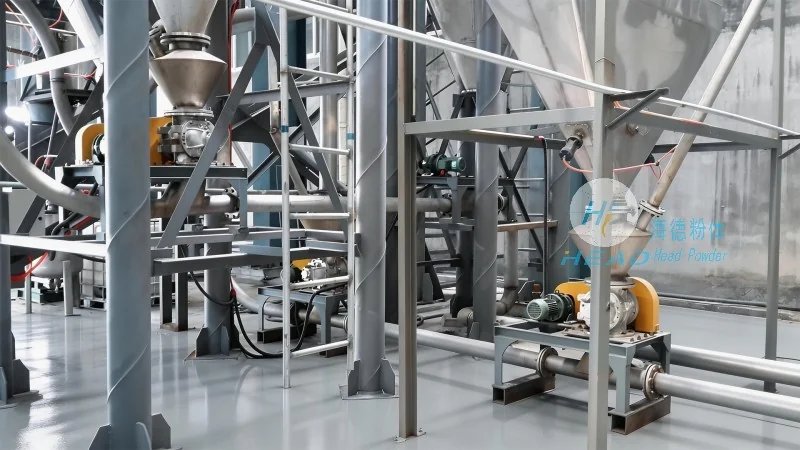
Customization and Integration Options for PVC Material Handling Solutions
HeadPowder understands that each industrial application has unique requirements, which is why they offer customized PVC material handling solutions tailored to specific needs. The company provides a range of customization options, including different conveyor lengths, widths, and heights, as well as specialized components such as variable speed drives, dust collection systems, and material sorting mechanisms. For example, a customer in the food processing industry might require a conveyor system with food-grade materials and sanitary design features, while a customer in the chemical industry might need a system with corrosion-resistant coatings and explosion-proof components. HeadPowder's engineering team works closely with clients to assess their operational needs, recommend the most suitable equipment, and provide technical support throughout the design and installation process. This collaborative approach ensures that the final solution is not only efficient but also compliant with industry standards and regulations. Additionally, the company offers integration services to connect the PVC material handling equipment with existing production lines or warehouse management systems, creating a seamless flow of materials and data.