

Comparison of Common Corn Starch Conveying Methods
Corn starch is a widely used industrial and food-grade product, and its efficient transportation is crucial for various production processes. Different conveying methods are employed based on factors such as material properties, production scale, and operational requirements. This article provides a detailed comparison of common corn starch conveying methods, highlighting their characteristics, advantages, and typical applications. The information is presented by Shandong HeadPowder Engineering Co., Ltd., a leading provider of industrial conveying solutions in China.
1. Screw Conveyors for Corn Starch
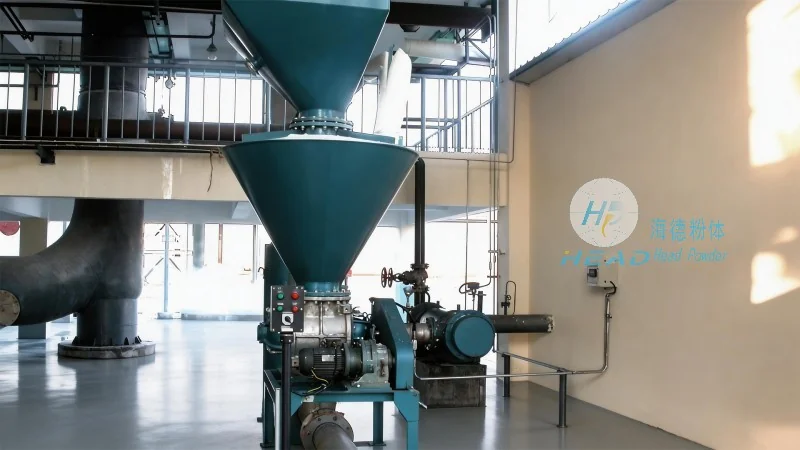
Screw conveyors, also known as auger conveyors, are among the most common equipment for transporting corn starch. These systems consist of a rotating helical screw inside a tube or trough, which moves the material forward through the mechanism. For corn starch, which is typically a fine powder, screw conveyors offer several benefits. They are capable of handling dry, free-flowing powders without the need for additional air or mechanical assistance. The enclosed design helps prevent dust contamination and ensures a clean transfer process. However, screw conveyors have limitations, particularly when dealing with very fine or cohesive powders, as they may experience blockages or reduced efficiency. The speed and angle of the screw can be adjusted to optimize flow, but they are generally less suitable for long-distance transport compared to other methods.
2. Pneumatic Conveying Systems
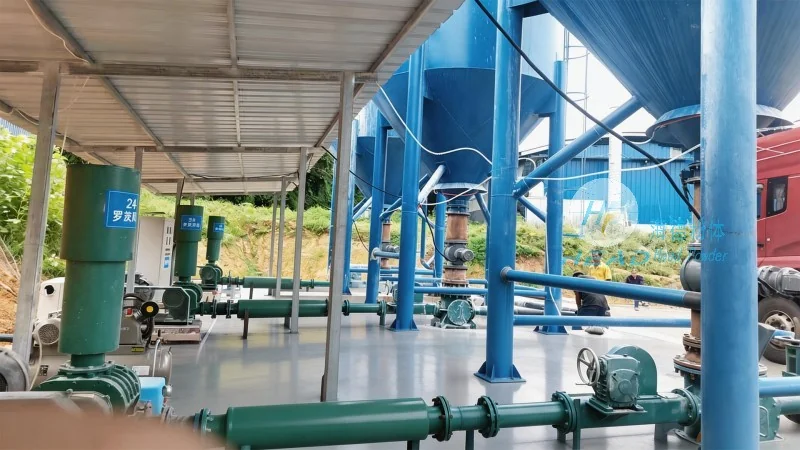
Pneumatic conveying, or air-powered transport, is another popular method for corn starch handling. This technology uses compressed air to move the material through a pipeline. There are two main types: pressure and vacuum systems. Pressure systems push the material forward using high-pressure air, while vacuum systems draw the material into the pipeline using low-pressure air. Pneumatic conveying offers advantages such as the ability to transport corn starch over long distances, often with minimal maintenance. It also allows for the integration of dust collection and material handling in a single system. However, the method has drawbacks, including higher energy consumption compared to mechanical conveyors and potential for material degradation if the air velocity is too high. The selection of the right air velocity is critical to prevent particle breakage and ensure efficient transport.
3. Belt Conveyors
Belt conveyors are widely used in bulk material handling, including corn starch. These systems consist of a continuous belt that moves over rollers or pulleys, transporting the material from one point to another. Belt conveyors are suitable for both dry and slightly wet corn starch, as long as the material does not adhere excessively to the belt. They are particularly effective for long-distance transport and can handle large volumes of material. The main advantages include high capacity, low maintenance, and the ability to transport materials at a consistent speed. However, belt conveyors require more space and may not be ideal for fine powders that can cause dust issues. Proper belt tensioning and cleaning are essential to maintain efficiency and prevent material buildup.
4. Bucket Elevators
Bucket elevators are vertical or inclined conveyors that use buckets attached to a chain or belt to lift and transport corn starch. These systems are highly efficient for vertical or steeply inclined transport, making them suitable for applications where elevation changes are required. Bucket elevators can handle a wide range of material types, including fine powders like corn starch, without causing significant degradation. They offer high capacity and can operate continuously with minimal downtime. However, bucket elevators have limitations, such as the need for regular maintenance of the bucket chain or belt and potential for material spillage if the system is not properly sealed. The design of the buckets and the speed of the chain are critical factors in ensuring smooth operation and preventing material blockages.
Choosing the Right Conveying Method for Corn Starch
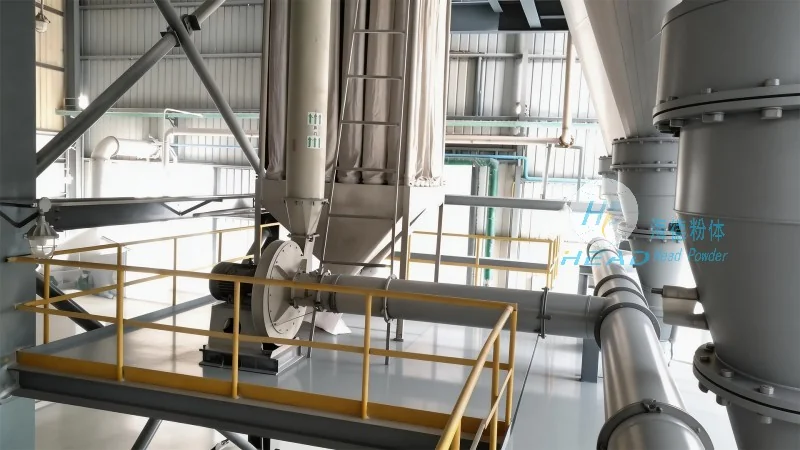
The choice of corn starch conveying method depends on several key factors, including the production scale, the distance the material needs to travel, the material's properties (such as fineness and moisture content), and the operational environment. For small-scale operations or short-distance transport, screw conveyors may be sufficient due to their simplicity and low cost. For medium to large-scale production with longer distances, pneumatic conveying or belt conveyors are often preferred. Pneumatic systems excel in applications requiring long-distance transport without the need for multiple transfer points, while belt conveyors are ideal for high-volume, horizontal transport. Bucket elevators are best suited for vertical transport or when elevation changes are necessary. It is also important to consider the cost of installation, energy consumption, and maintenance when selecting a conveying system. Shandong HeadPowder Engineering Co., Ltd. specializes in designing and manufacturing customized conveying solutions that meet the specific needs of corn starch producers, ensuring optimal performance and efficiency.
Conclusion
Efficient corn starch conveying is essential for maintaining production efficiency and product quality. The comparison of common conveying methods—screw conveyors, pneumatic systems, belt conveyors, and bucket elevators—highlights the strengths and limitations of each approach. By understanding the characteristics of these systems and considering the specific requirements of the operation, producers can select the most appropriate conveying method. Shandong HeadPowder Engineering Co., Ltd. provides comprehensive industrial conveying solutions tailored to the needs of corn starch manufacturers, helping them achieve reliable and cost-effective material transport. Whether for small-scale or large-scale production, the right conveying method can significantly impact overall operational performance and profitability.