

Comparison of Common Clay Coal Powder Conveying Methods
Clay coal powder, a critical raw material in sectors like cement, ceramics, and chemicals, demands efficient and reliable conveying systems to maintain seamless production. The choice of conveying method directly impacts operational efficiency, material integrity, and overall system costs. This article provides a detailed comparison of common clay coal powder conveying methods, focusing on their operational principles, applications, advantages, and limitations. The information is presented by Shandong HeadPowder Engineering Co., Ltd., a leading industrial conveying solutions provider based in China.
Introduction to Clay Coal Powder Conveying
Clay coal powder, characterized by its fine particle size, hygroscopic nature, and propensity for dust generation, requires specialized handling. Traditional bulk material transport methods may not be suitable, necessitating tailored systems. The primary objective of clay coal powder conveying is to move the material from storage or processing units to the point of use with minimal loss, contamination, and energy use. Shandong HeadPowder Engineering Co., Ltd. specializes in designing and manufacturing customized conveying solutions that address these unique challenges effectively.
1. Air-Driven Pneumatic Conveying Systems
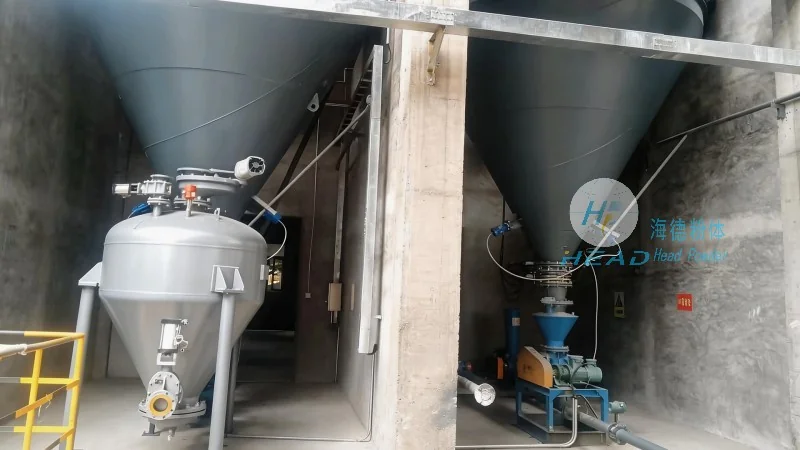
Air-driven pneumatic conveying is a prevalent method for transporting clay coal powder due to its ability to handle fine powders and minimize material degradation. This system uses compressed air to create a flow that propels the powder through pipelines. Two main types exist: pressure and vacuum systems. Pressure systems employ positive pressure to push material forward, while vacuum systems use negative pressure to pull it. For clay coal powder, pressure systems are often preferred as they can handle longer distances and higher loads. Shandong HeadPowder Engineering Co., Ltd. offers customized pneumatic systems with advanced control technologies to optimize air consumption and material flow, ensuring consistent performance.
2. Screw Conveyors for Bulk Material Handling
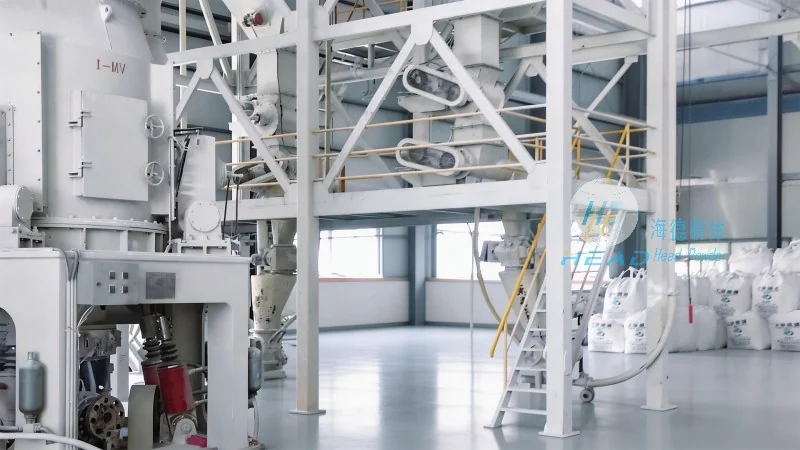
Screw conveyors, or auger conveyors, are another common method for transporting clay coal powder, especially for horizontal or slight incline transport. These systems feature a rotating screw (auger) inside a cylindrical tube, moving material forward as the screw rotates. Screw conveyors are suitable for materials with moderate moisture and particle size, handling a wide range of bulk densities. However, they may not be ideal for very fine powders or materials prone to caking, as the screw can cause friction and blockages. Shandong HeadPowder Engineering Co., Ltd. designs screw conveyors with high-quality materials and robust construction to prevent wear and ensure long service life. Variable speed drives are also available to adjust conveying rates based on production demands.
3. Hydraulic Conveying Systems
Hydraulic conveying systems use water or other liquids to transport clay coal powder, often as slurry transport. This method is particularly effective for materials that are difficult to handle dry, such as highly fine powders or those with high moisture content. The powder is mixed with water to form a slurry, pumped through pipelines. Hydraulic systems can handle long distances and high volumes efficiently and are less prone to dust generation compared to pneumatic systems. However, they require additional equipment for slurry preparation and separation, increasing system complexity and maintenance needs. Shandong HeadPowder Engineering Co., Ltd. provides hydraulic solutions tailored to specific material properties and process requirements, ensuring optimal performance and minimal environmental impact.
4. Belt Conveyors for Bulk Material Transport
Belt conveyors are a traditional and widely adopted method for transporting clay coal powder, especially for large volumes and long distances. These systems consist of a continuous belt moving over rollers or pulleys, carrying material from one point to another. Belt conveyors are suitable for both dry and wet powders and can handle a wide range of particle sizes. They are known for high capacity, low maintenance, and continuous operation. However, they may not be suitable for very fine powders or materials prone to sticking to the belt, leading to material loss and inefficiencies. Shandong HeadPowder Engineering Co., Ltd. manufactures belt conveyors with advanced materials and design features to minimize material buildup and ensure smooth operation. Custom belt widths and lengths are also offered to meet specific project requirements.
5. Comparison and Selection Criteria
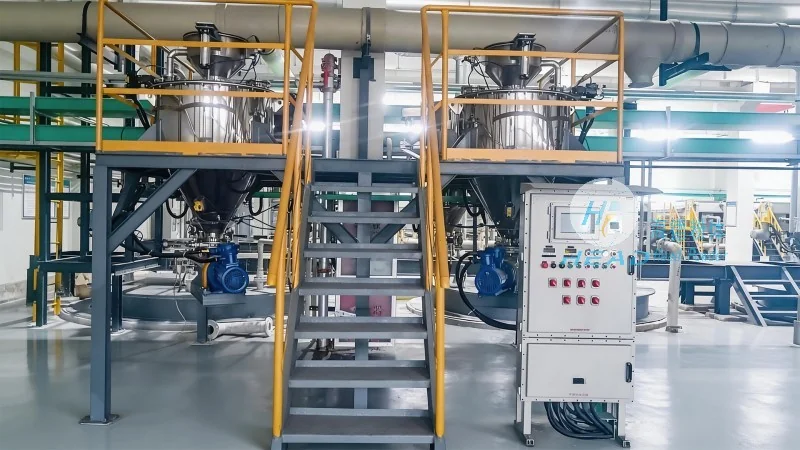
When selecting a clay coal powder conveying method, several factors must be considered to ensure the optimal choice. These include the material's physical properties (particle size, moisture content, bulk density), required conveying distance and capacity, available space and layout, and overall system cost. Air-driven pneumatic systems are ideal for fine powders and long distances but may have higher energy consumption. Screw conveyors are suitable for moderate distances and moderate loads but may not handle very fine powders well. Hydraulic systems are effective for wet or sticky materials but require additional equipment. Belt conveyors offer high capacity and low maintenance but may not be suitable for very fine powders. Shandong HeadPowder Engineering Co., Ltd. provides expert consultation to help clients evaluate these factors and choose the most appropriate conveying method for their specific needs. The company's customized solutions ensure the selected system meets operational requirements while minimizing costs and maximizing efficiency.
Conclusion
Efficient clay coal powder conveying is crucial for maintaining smooth industrial operations. The choice of conveying method depends on various factors, including material characteristics, system requirements, and cost considerations. Shandong HeadPowder Engineering Co., Ltd. offers a range of specialized conveying solutions—including pneumatic, screw, hydraulic, and belt systems—tailored to meet the diverse needs of clients in the clay and coal powder industries. By understanding the advantages and limitations of each method, industries can select the most suitable conveying system to enhance productivity, reduce costs, and ensure material quality. With its expertise and customized approach, Shandong HeadPowder Engineering Co., Ltd. continues to provide reliable and efficient conveying solutions for its clients in China and beyond.