

Principle and Working Scene Characteristics of Mineral Particle Pneumatic Conveying Machines
The principle and working scene characteristics of mineral particle pneumatic conveying machines are crucial for understanding their application in various industrial processes. As a leading manufacturer, Shandong HeadPowder Engineering Co., Ltd. specializes in providing efficient and reliable solutions for material handling. This article explores the fundamental principles behind pneumatic conveying systems and highlights the key working scene characteristics that make them ideal for mineral particle transport.
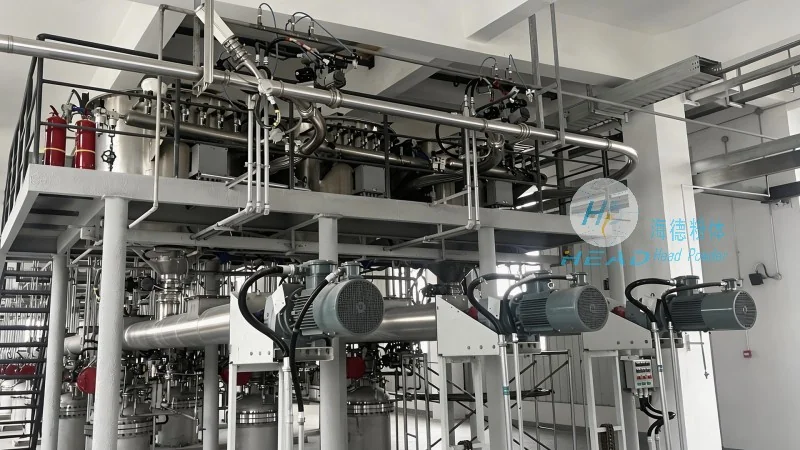
Core Principle of Pneumatic Conveying
In the context of industrial material handling, pneumatic conveying machines offer a versatile method for transporting dry bulk materials like minerals, powders, and granules. The core principle involves using air or gas to move particles through a pipeline system. This technology eliminates the need for mechanical components such as belts or buckets, reducing maintenance and increasing operational efficiency. The process typically involves a hopper where the material is loaded, a blower or compressor that generates the air flow, and a pipeline network that transports the particles to the discharge point.
Working Scene Characteristics in Industrial Applications
The working scene characteristics of mineral particle pneumatic conveying machines are tailored to specific industrial environments. For instance, in mining operations, these systems are used to transport crushed ore from processing plants to storage facilities or for further processing. The ability to handle abrasive materials without significant wear on the equipment is a key advantage. Additionally, in chemical and pharmaceutical industries, the systems are designed to maintain product purity by minimizing contamination and ensuring a clean transfer process.
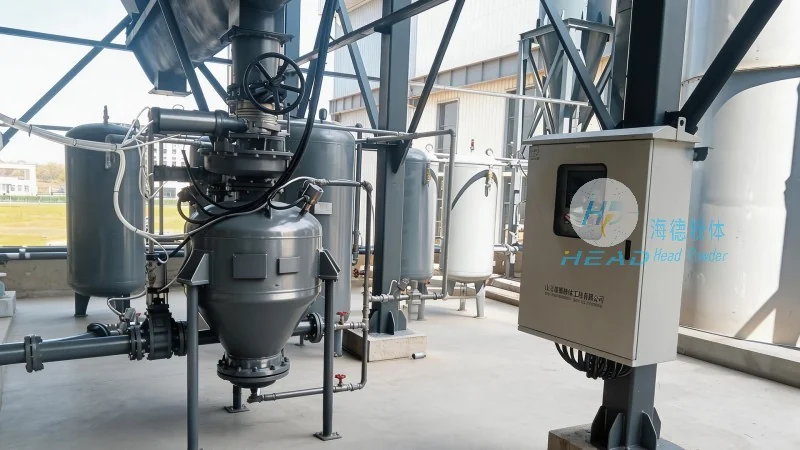
Company Background and Expertise
Shandong HeadPowder Engineering Co., Ltd., based in Shandong, China, has extensive experience in designing and manufacturing pneumatic conveying equipment tailored to the unique requirements of mineral processing. Their expertise lies in optimizing the conveying efficiency while ensuring durability and low maintenance costs. The company's products are engineered to handle a wide range of particle sizes and densities, making them suitable for diverse applications in the mineral industry.
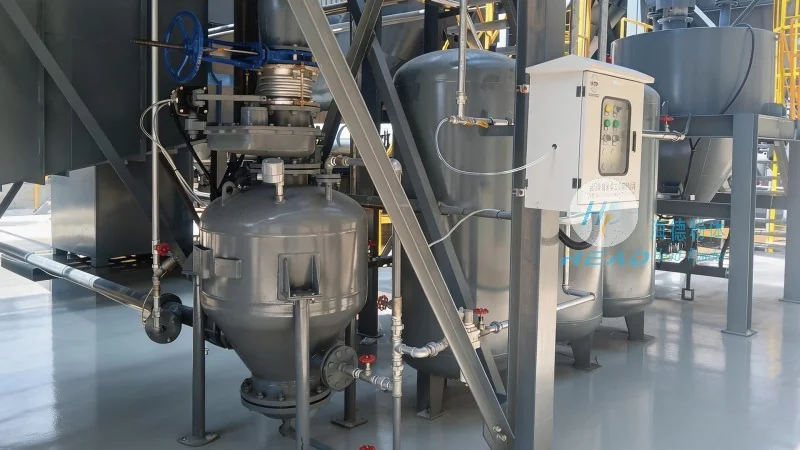
Factors Influencing System Performance
When considering the working scene, several factors influence the performance of pneumatic conveying systems. The particle size distribution, moisture content, and bulk density of the material are critical parameters that affect the air velocity required for effective transport. Proper system design, including the selection of blower capacity and pipeline diameter, ensures that the material is conveyed without clogging or excessive pressure drops. The discharge mechanism, such as a rotary valve or slide gate, plays a vital role in controlling the flow rate and preventing material buildup.
Conclusion
In summary, mineral particle pneumatic conveying machines offer a robust and efficient solution for transporting bulk materials in various industrial settings. The combination of pneumatic technology and careful system design allows for seamless material handling, reducing downtime and operational costs. With a strong presence in the industry, Shandong HeadPowder Engineering Co., Ltd. continues to provide high-quality equipment that meets the evolving needs of the mineral processing sector.