

Principle and Working Scene Characteristics of Quicklime Powder Pneumatic Conveying Machines
Quicklime powder pneumatic conveying machines are essential equipment in material handling processes, particularly for transporting quicklime powder efficiently and safely. This article explores the fundamental principles behind these systems and highlights key working scene characteristics that make them suitable for various industrial applications.
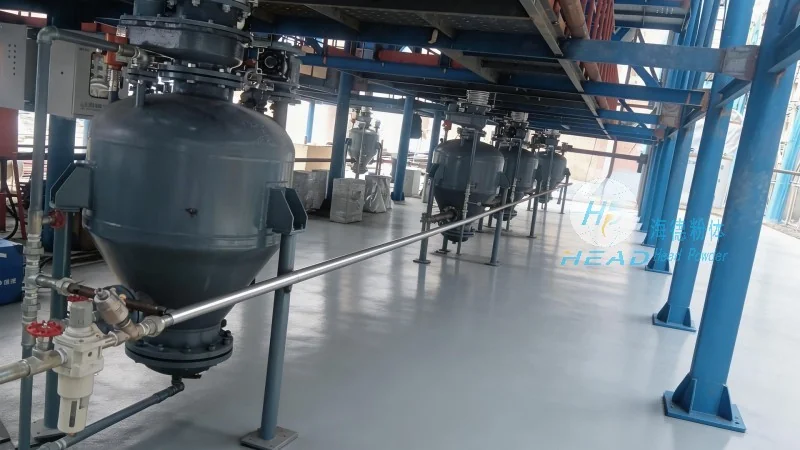
Principle of Pneumatic Conveying for Quicklime Powder
The core principle of a quicklime powder pneumatic conveying system involves using compressed air to transport dry bulk materials through a pipeline. In this process, quicklime powder is introduced into a hopper or feeder, where it is then drawn into the conveying line by the air flow. The air acts as the medium, carrying the powder particles through the system. The system typically includes components such as a blower, a filter, and a discharge point. The blower generates the necessary air pressure to move the powder, while the filter ensures that the air is clean and free from dust, which is crucial for maintaining equipment integrity and compliance with environmental regulations. The conveying efficiency depends on factors like air velocity, particle size, and the length of the pipeline. For quicklime powder, which is often fine and can be prone to dusting, specialized designs are employed to minimize particle degradation and ensure stable flow.
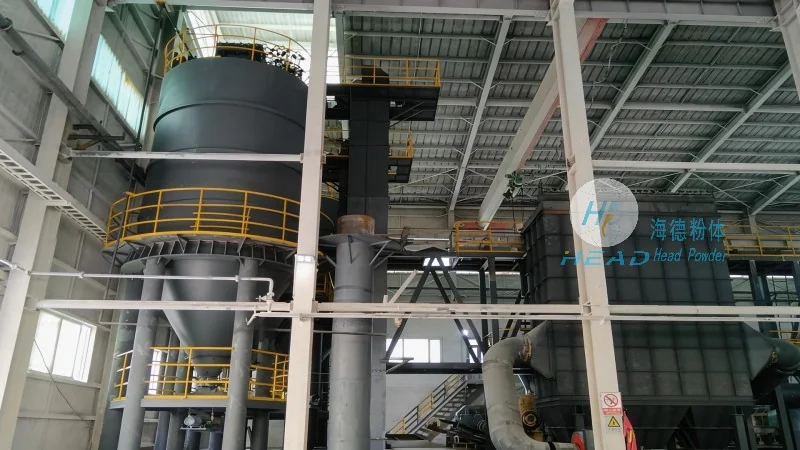
Key Working Scene Characteristics
The working scene characteristics of quicklime powder pneumatic conveying machines are tailored to meet the demands of industrial environments where quicklime is processed and transported. These characteristics include high efficiency in material transfer, reduced labor costs compared to traditional methods like bucket elevators or belt conveyors, and improved safety by eliminating manual handling of powders. The systems are designed to handle varying flow rates, from low to high, depending on the production requirements. Another important characteristic is the ability to operate in different environmental conditions, including indoor and outdoor settings, with proper enclosure and ventilation to control dust emissions. The compact design of these machines allows for installation in limited spaces, making them suitable for both new and retrofit applications in industrial facilities. Additionally, the systems are equipped with monitoring and control features that enable operators to adjust parameters in real-time, ensuring optimal performance and preventing system failures.
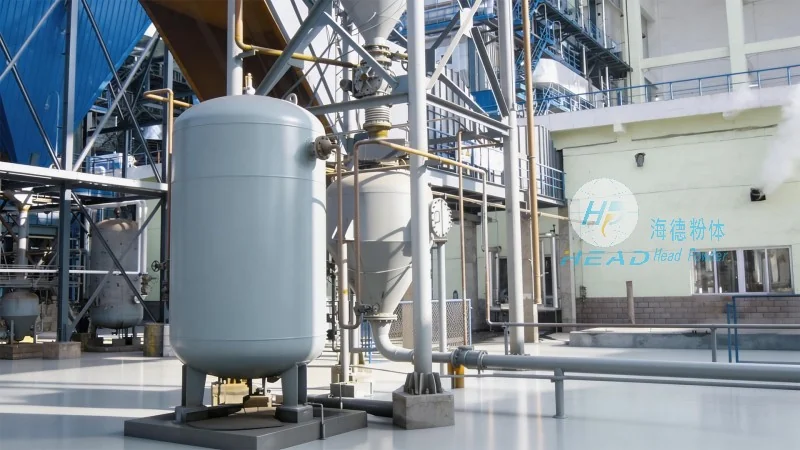
Applications and Industry Relevance
Quicklime powder pneumatic conveying machines are widely used in industries such as chemical manufacturing, cement production, and food processing, where quicklime is a critical raw material. In chemical plants, these systems are used to transport quicklime from storage silos to reaction vessels, ensuring a consistent supply of material for chemical reactions. In cement production, the equipment helps in moving quicklime from grinding mills to storage silos or directly to the kiln, contributing to the production of cement clinker. The food industry also utilizes these systems for handling quicklime in processes like water treatment or as a component in certain food products, where hygiene and dust control are paramount. The versatility of the pneumatic conveying systems makes them adaptable to various production scales, from small-scale operations to large industrial plants.
Advantages in Material Handling
Compared to traditional material handling methods, quicklime powder pneumatic conveying machines offer several advantages that enhance operational efficiency and reduce costs. One of the primary benefits is the elimination of mechanical contact between the material and the equipment, which prevents contamination and wear on the machinery. This is particularly important for quicklime powder, which can be abrasive and cause wear on metal surfaces. The systems also reduce the risk of material spillage and dust contamination, as the powder is contained within the pipeline and discharged at the destination. Another advantage is the ability to transport materials over long distances without the need for intermediate storage or transfer points, which streamlines the production process. Furthermore, the systems are energy-efficient, as they use compressed air, which can be generated from the plant's existing air supply, reducing additional energy costs. The low maintenance requirements of these machines, due to fewer moving parts compared to belt conveyors, also contribute to long-term cost savings for industrial operators.
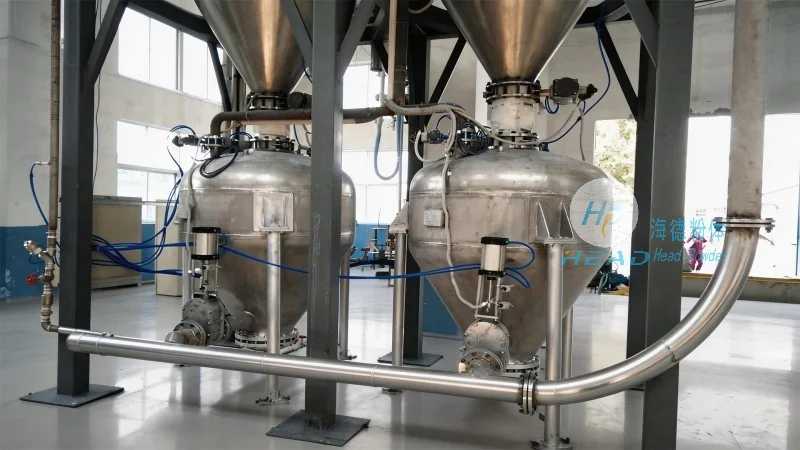
Conclusion
Quicklime powder pneumatic conveying machines represent a sophisticated solution for efficient and safe material handling in industrial settings. By leveraging the principles of pneumatic transport, these systems provide reliable and flexible operation for transporting quicklime powder across various applications. The working scene characteristics, including high efficiency, safety features, and adaptability, make them an essential component in modern industrial processes. As industries continue to seek improved material handling solutions, the use of quicklime powder pneumatic conveying machines remains a viable and effective choice for companies like Shandong HeadPowder Engineering Co., Ltd., which specializes in providing tailored equipment solutions for diverse industrial needs.