

Principle and Working Scene Characteristics of Coal and Stone Powder Pneumatic Conveying Equipment
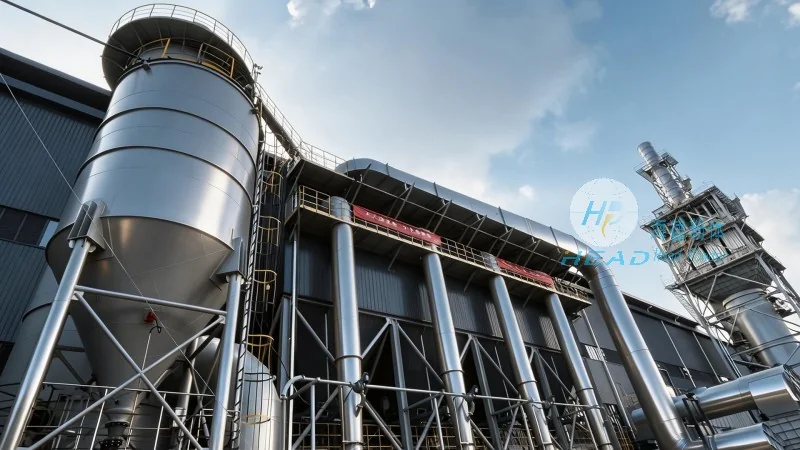
Coal and stone powder pneumatic conveying equipment is a specialized system designed for the efficient transport of fine powders, including coal dust and stone powders, in industrial settings. This equipment operates on the principle of pneumatic conveying, which involves the use of air or gas to move particulate materials through a pipeline. The system is engineered to handle materials with varying particle sizes and moisture content, making it suitable for applications in mining, power generation, and construction industries. HeadPowder, a division of Shandong HeadPowder Engineering Co., Ltd., specializes in providing high-quality pneumatic conveying solutions tailored to meet the diverse needs of industrial clients. The core of this equipment lies in its ability to transport bulk materials without the need for mechanical components like belts or buckets, reducing maintenance and operational costs.
Working Principle of Pneumatic Conveying Systems
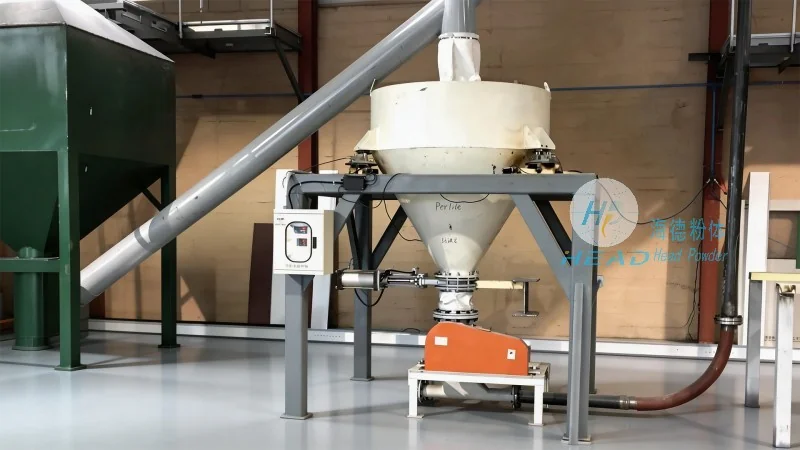
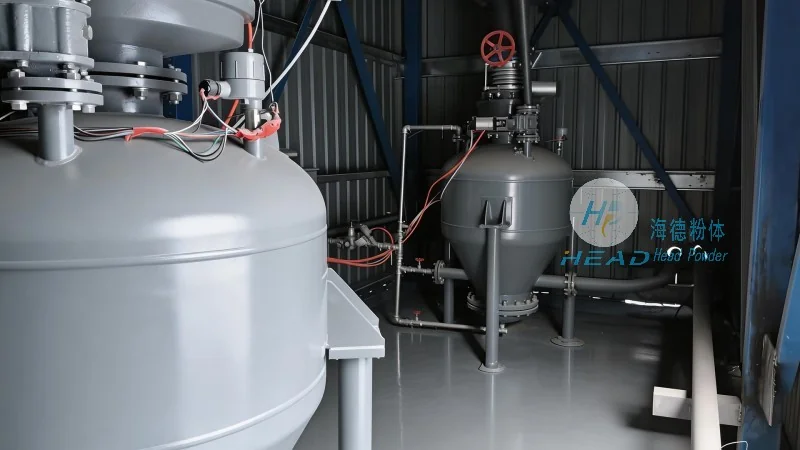
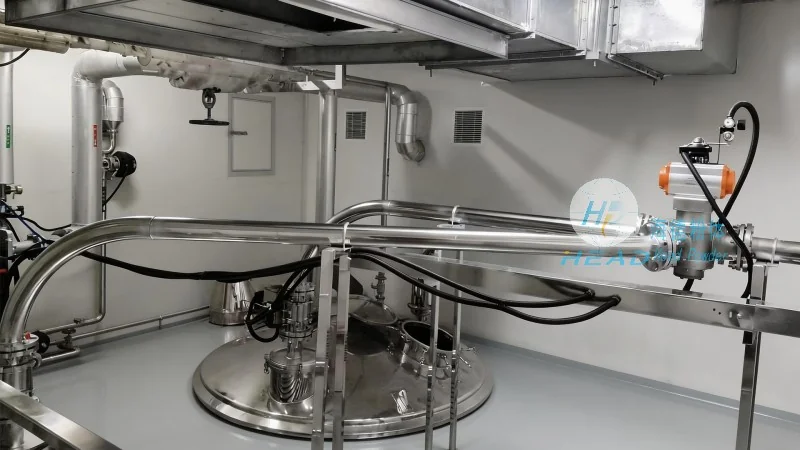
The fundamental principle behind coal and stone powder pneumatic conveying is the creation of a pressure differential that propels the material through the conveying line. There are two primary types of pneumatic conveying systems: pressure and vacuum. In pressure systems, a positive pressure is generated at the inlet, typically using a blower or compressor, to push the material forward. Conversely, vacuum systems create a negative pressure at the inlet, drawing the material from the source. For coal and stone powders, pressure systems are often preferred due to their ability to handle higher material loads and longer conveying distances. The equipment includes components such as a hopper for material storage, a feeder to control the flow rate, a conveying line, and a receiver to collect the material at the destination. The feeder is crucial as it ensures a consistent flow of material into the system, preventing blockages and maintaining system efficiency. The conveying line is usually made of metal or plastic, with appropriate diameters and bends to minimize pressure loss and material degradation. The receiver is designed to separate the material from the air stream, often using cyclones or filters to ensure clean material collection. The pressure system typically operates at pressures ranging from 0.5 to 2 bar, depending on the material characteristics and conveying distance. The blower or compressor used in pressure systems must be capable of delivering sufficient air volume and pressure to overcome the resistance in the conveying line and the material's density.