

Principle and Working Scene Characteristics of Monosodium Glutamate Pneumatic Conveyor
Monosodium glutamate (MSG), a widely used flavor enhancer in the food industry, requires efficient and reliable transportation systems to ensure smooth production processes. The pneumatic conveyor system, specifically designed for MSG handling, offers a solution that combines efficiency, hygiene, and safety. This article explores the fundamental principles behind monosodium glutamate pneumatic conveyors and highlights the key characteristics of their working environments, as presented by Shandong HeadPowder Engineering Co., Ltd., a leading manufacturer based in China.
Company Profile: Shandong HeadPowder Engineering Co., Ltd.
Shandong HeadPowder Engineering Co., Ltd., operating under the brand name headpowder, is a reputable company specializing in the design, manufacturing, and supply of industrial equipment, including advanced pneumatic conveying systems. Headquartered in Shandong, China, the company leverages its extensive industry experience to deliver high-quality solutions tailored to the needs of the food processing and chemical sectors. With a focus on innovation and customer satisfaction, HeadPowder Engineering has established itself as a trusted partner for businesses seeking reliable and efficient material handling solutions.
The Principle of Monosodium Glutamate Pneumatic Conveying
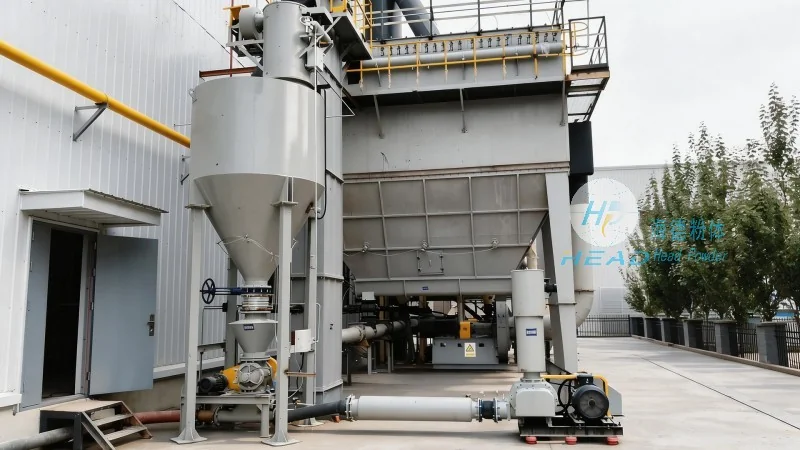
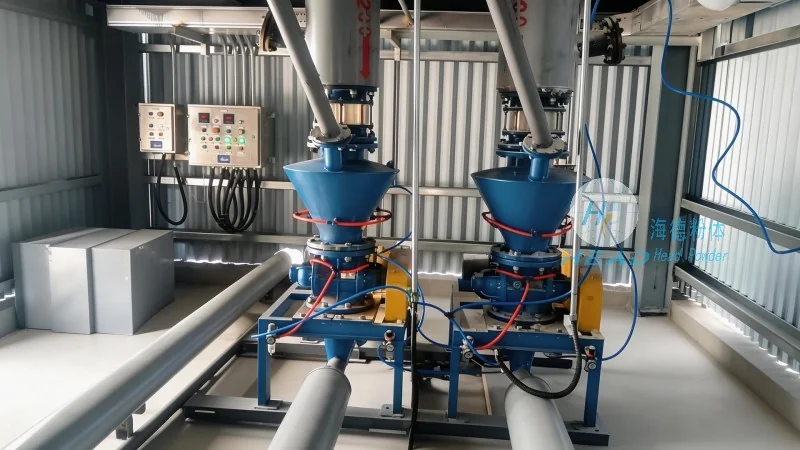
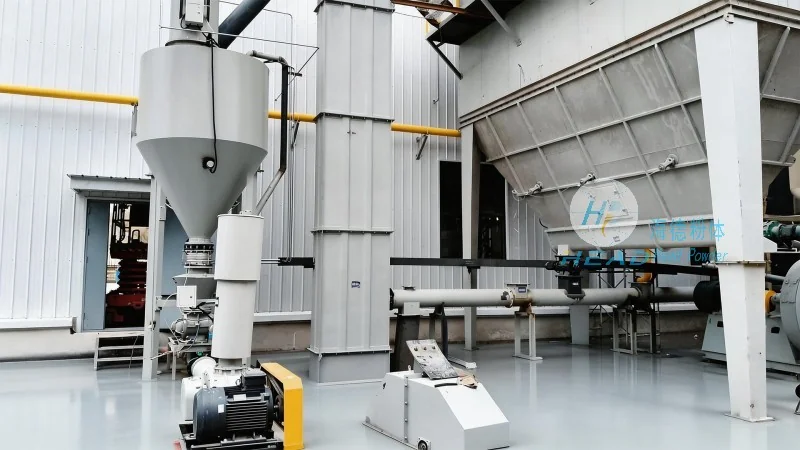
The core principle of a monosodium glutamate pneumatic conveyor is the use of air or gas to transport bulk materials, such as MSG, through a pipeline system. This method, known as pneumatic conveying, operates by creating a pressure differential within the system. Typically, the conveyor uses a combination of positive and negative pressure to move the material. In the case of MSG, which is often in powder form, the system may employ a positive pressure system where air is blown into the pipeline, pushing the material forward. Alternatively, a negative pressure system can be used, where air is drawn out of the pipeline, creating a vacuum that pulls the material along. The choice of system depends on factors such as the material's properties, the distance to be conveyed, and the desired flow rate. The pneumatic conveyor for MSG typically includes components like a hopper, a feeder, a pipeline network, and a receiver. The hopper stores the MSG, while the feeder controls the flow rate into the pipeline. The pipeline, often made of stainless steel to maintain hygiene standards, transports the material. The receiver collects the material at the destination. This closed-loop system ensures that the MSG remains contained and protected from contamination, which is critical in food processing applications.
Working Scene Characteristics of Monosodium Glutamate Pneumatic Conveyors
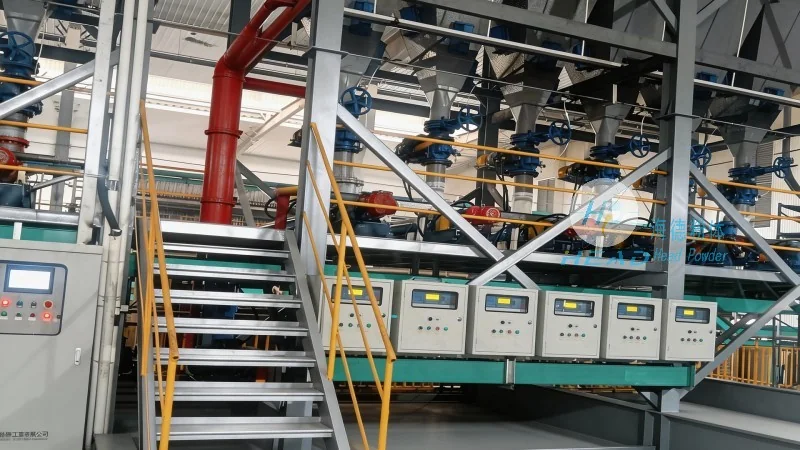
The working environment of monosodium glutamate pneumatic conveyors is characterized by several key aspects that ensure optimal performance and compliance with industry standards. First, the system is designed to operate in a clean and hygienic manner, which is essential for food-grade applications. The use of stainless steel components and sealed pipelines prevents dust contamination and maintains product purity. Second, the conveyor is built to handle the specific properties of MSG, including its fine powder form and potential moisture sensitivity. The system's design minimizes material degradation and ensures consistent flow characteristics. Third, the working scene is typically integrated into larger production lines, where the pneumatic conveyor connects different processing stages, such as from storage to mixing or packaging. This integration allows for a seamless flow of materials, reducing downtime and improving overall production efficiency. Additionally, the system is engineered for flexibility, enabling it to adapt to varying production volumes and operational requirements. In industrial settings, the pneumatic conveyor may be part of a larger material handling network, working in conjunction with other equipment like mixers, blenders, and packaging machines. The working environment is also characterized by the need for precise control over the conveying process. Advanced control systems are often employed to regulate air pressure, flow rate, and material feed, ensuring that the conveyor operates efficiently and safely. This level of control is crucial for maintaining product quality and preventing system failures. Furthermore, the working scene emphasizes safety, with features such as emergency shut-off valves and pressure relief systems to protect operators and equipment from potential hazards. The integration of these safety measures ensures that the pneumatic conveyor operates within safe operational parameters, minimizing risks associated with material handling.