

Principle and Working Scene Characteristics of Dolomite Pneumatic Conveying Equipment
Dolomite, a widely used industrial mineral, often requires efficient and reliable material handling solutions for its transportation from production sites to processing facilities. Pneumatic conveying systems have emerged as a preferred method for handling dolomite due to their ability to transport bulk materials in a dust-free, controlled environment. This article explores the fundamental principles behind dolomite pneumatic conveying machines and highlights the key working scene characteristics that make them suitable for various industrial applications.
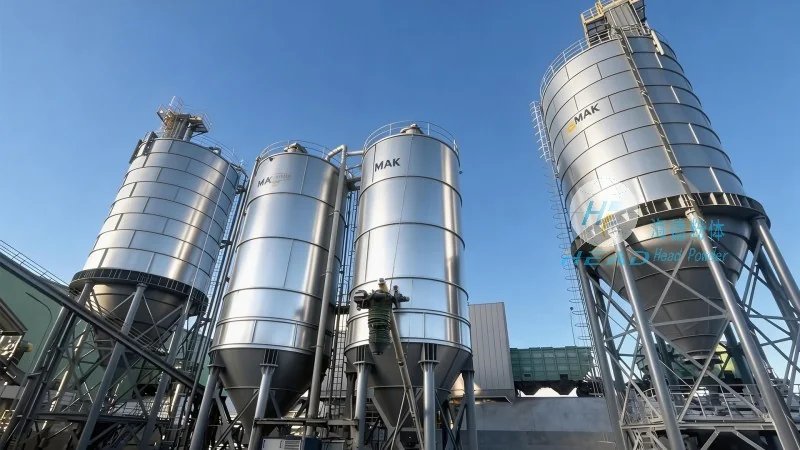
The Working Principle of Dolomite Pneumatic Conveying Systems
At the core of dolomite pneumatic conveying is the use of compressed air to move material particles through a pipeline. The process typically involves a series of components, including a hopper for material storage, a rotary valve or feeder to control the flow of dolomite, a conveying line, and a receiver or discharge point. The system operates by introducing compressed air into the conveying line, which creates a pressure differential that propels the dolomite particles forward. The air velocity is carefully controlled to ensure that the material is carried without causing excessive wear on the system components or creating excessive dust emissions.
There are two primary types of pneumatic conveying systems used for dolomite: positive pressure and negative pressure. Positive pressure systems, also known as pressure conveying, generate air pressure at the inlet of the conveying line, pushing the material through the system. This method is ideal for long-distance or high-capacity applications. Negative pressure systems, or vacuum conveying, create a vacuum at the discharge end, drawing the material from the source into the system. This approach is often used for shorter distances or when the material needs to be transported from a confined space.
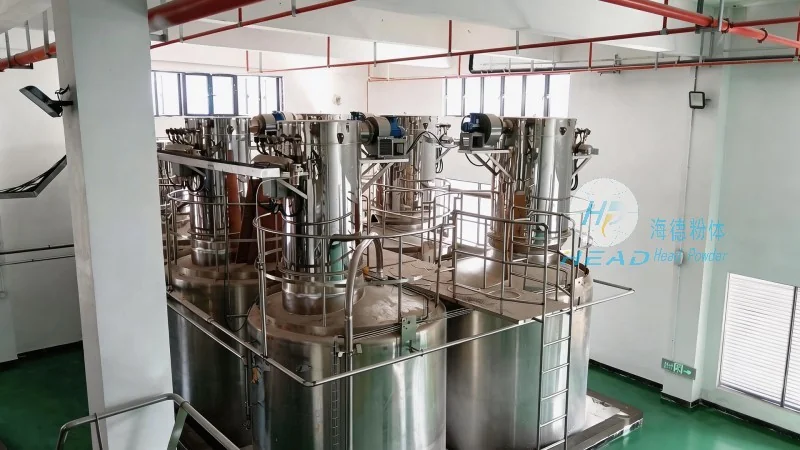
Key Working Scene Characteristics of Dolomite Pneumatic Conveying Machines
The suitability of dolomite pneumatic conveying equipment for specific working environments is determined by several factors, including the material's properties, the required transport distance, and the operational requirements of the facility. For instance, in mining operations, where dolomite is often extracted from quarries, the system must be capable of handling large volumes of material with minimal downtime. The design of the conveying line and the selection of appropriate air velocities are critical to ensure efficient transport without causing blockages or excessive energy consumption.
In chemical processing plants, where dolomite is used as a raw material for producing calcium compounds, the system must maintain a clean and dust-free environment to prevent contamination of the final products. This is achieved through the use of high-quality filtration systems and the careful control of air pressure and flow rates. Additionally, the equipment must be durable and resistant to corrosion, as dolomite can sometimes contain acidic components that may affect the system's components over time.
In construction and building materials industries, dolomite is used as a filler in cement and concrete. The pneumatic conveying system must be able to handle the material's fine particle size and ensure consistent flow rates to maintain the quality of the end products. The system's design, including the hopper and feeder, is optimized to prevent material bridging and ensure smooth material transfer. This is particularly important in automated production lines where consistent material supply is crucial for maintaining production efficiency.
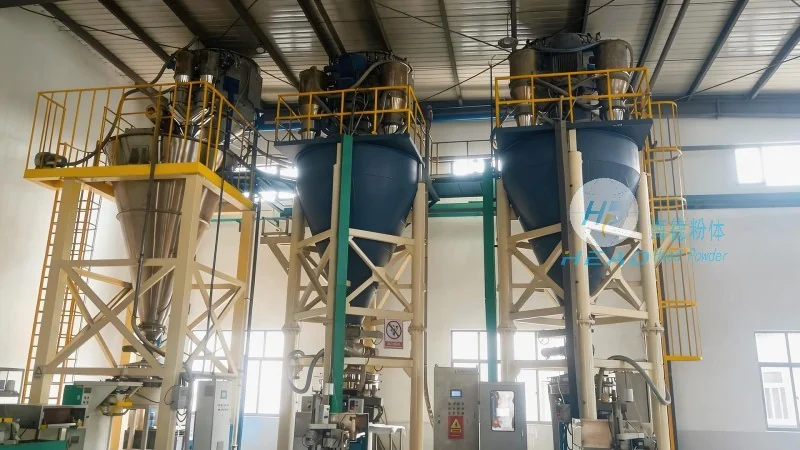
Company Information and Expertise
Shandong HeadPowder Engineering Co., Ltd., a leading manufacturer of industrial material handling equipment, specializes in the design and production of dolomite pneumatic conveying systems. With years of experience in the industry, the company has developed advanced technologies to meet the diverse needs of its clients. HeadPowder's products are engineered to provide reliable, efficient, and cost-effective solutions for dolomite transportation, ensuring that clients can achieve optimal performance in their operations.
HeadPowder's facilities are located in Shandong, China, where the company leverages its local expertise and resources to deliver high-quality products. The company's commitment to quality and innovation has made it a trusted partner for businesses across various industries, including mining, chemical processing, and construction. By focusing on the specific requirements of each application, HeadPowder ensures that its pneumatic conveying systems are tailored to meet the unique challenges faced by its clients.