

What are the Methods for Chili Pepper Conveyance?
Efficient chili pepper conveyance is a critical aspect of the agricultural and food processing industries. From the field to the processing plant, the method used to transport chili peppers directly impacts product integrity, operational costs, and overall productivity. Understanding the available conveyance options is essential for businesses aiming to optimize their chili pepper handling processes. This article delves into the various methods for chili pepper conveyance, highlighting the expertise and solutions offered by Shandong HeadPowder Engineering Co., Ltd.
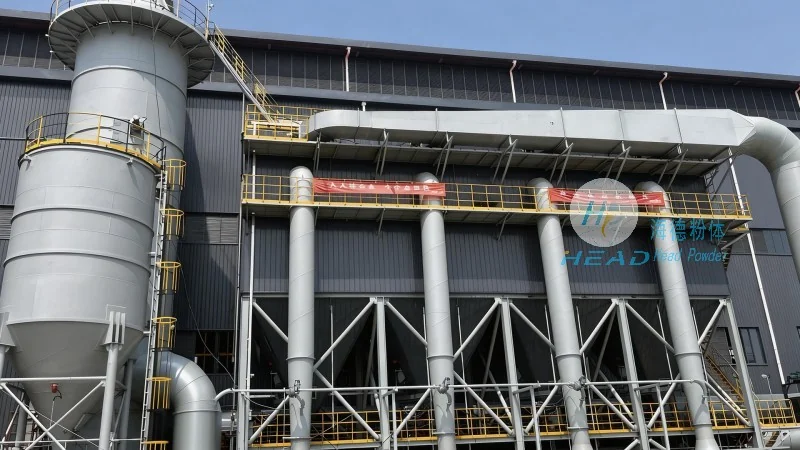
Company Overview: HeadPowder Engineering
Shandong HeadPowder Engineering Co., Ltd., operating under the brand name HeadPowder, specializes in the design, manufacturing, and supply of advanced material handling equipment. With a strong focus on agricultural and food processing applications, HeadPowder provides tailored conveyance solutions that meet the unique demands of chili pepper handling. The company’s headquarters is located in Shandong, China, where it leverages local expertise and resources to develop high-quality, reliable equipment for its global clients.
Common Chili Pepper Conveyance Methods
Several conveyance methods are commonly used in chili pepper processing, each with its own advantages and applications. The choice of method depends on factors such as the type of chili pepper, processing scale, and operational environment. Below are some of the most prevalent options:
1. Belt Conveyors for Chili Pepper Transport
Belt conveyors are widely used for chili pepper conveyance due to their versatility and ability to handle a wide range of product sizes and weights. These systems consist of a continuous belt that moves over rollers or pulleys, transporting chili peppers from one point to another. Belt conveyors are particularly effective for horizontal or slightly inclined transport, making them suitable for loading, unloading, and transferring chili peppers in processing facilities. HeadPowder offers customized belt conveyor solutions, including variable speed drives and adjustable incline angles, to ensure optimal performance for different chili pepper varieties and processing requirements.
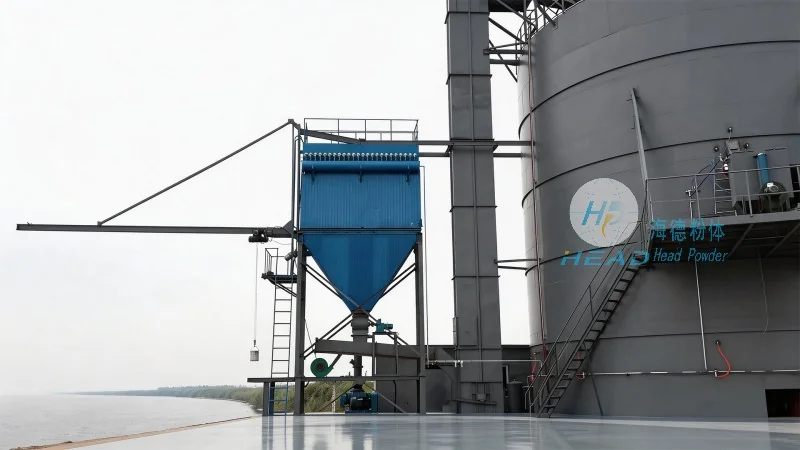
2. Screw Conveyors (Augers) for Chili Pepper Handling
Screw conveyors, also known as augers, are another popular choice for chili pepper conveyance. These systems use a rotating screw mechanism to move chili peppers along a trough. Screw conveyors are ideal for vertical or inclined transport, allowing for efficient elevation of chili peppers without the need for additional machinery. They are particularly useful in processing plants where space is limited or where the need to elevate chili peppers to higher levels is required. HeadPowder’s screw conveyors are designed with durable materials and robust construction to withstand the abrasive nature of chili peppers, ensuring long-term reliability and minimal maintenance.
3. Pneumatic Conveying Systems for Chili Pepper Transport
Pneumatic conveying systems use air pressure to transport chili peppers through a pipeline. This method is highly effective for long-distance or vertical transport, as it can move chili peppers with minimal product damage. Pneumatic conveyors are particularly suitable for processing facilities that require dust-free or enclosed transport, as they can be designed with sealed systems to prevent contamination. HeadPowder provides advanced pneumatic conveying solutions, including positive and negative pressure systems, to accommodate different processing needs. These systems are equipped with filters and controls to maintain air quality and ensure efficient operation.
4. Vibrating Conveyors for Chili Pepper Handling
Vibrating conveyors use vibration to move chili peppers along a trough. This method is gentle on the product, making it ideal for handling delicate or easily damaged chili peppers. Vibrating conveyors are effective for both horizontal and inclined transport, and they can be adjusted to control the speed and direction of the product flow. HeadPowder’s vibrating conveyor systems are designed with adjustable vibration frequencies and amplitudes, allowing for precise control over chili pepper movement. These systems are particularly useful in processing plants where product damage needs to be minimized, such as during sorting or packaging.
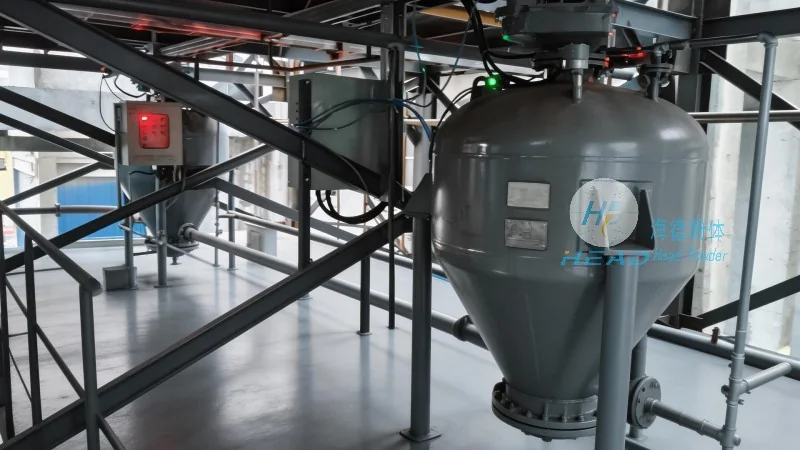
5. Bucket Elevators for Chili Pepper Elevation
Bucket elevators are specialized conveyors used for vertical transport of chili peppers. These systems consist of a series of buckets attached to a belt or chain that moves vertically, lifting chili peppers from lower to higher levels. Bucket elevators are highly efficient for vertical transport and are commonly used in processing plants where chili peppers need to be elevated to processing equipment or storage areas. HeadPowder offers bucket elevator solutions with durable buckets and robust drive systems, ensuring reliable and efficient vertical transport of chili peppers. These systems are designed to handle the weight and size of different chili pepper varieties, providing consistent performance.
Choosing the Right Chili Pepper Conveyance Method
Selecting the appropriate conveyance method for chili pepper handling requires careful consideration of several factors. The type of chili pepper (e.g., fresh, dried, or processed) and its physical characteristics (size, shape, and moisture content) play a significant role in determining the best method. Additionally, the scale of the operation, available space, and budget constraints must be taken into account. HeadPowder Engineering provides expert consultation services to help clients evaluate their specific needs and select the most suitable conveyance solution. By working closely with clients, HeadPowder ensures that the chosen system is optimized for performance, durability, and cost-effectiveness.
Conclusion
Efficient chili pepper conveyance is essential for maintaining product quality and optimizing operational efficiency in agricultural and food processing industries. With a range of conveyance methods available, businesses can choose the solution that best fits their specific requirements. Shandong HeadPowder Engineering Co., Ltd. offers comprehensive conveyance solutions, including belt conveyors, screw conveyors, pneumatic systems, vibrating conveyors, and bucket elevators, tailored to the unique needs of chili pepper handling. By leveraging HeadPowder’s expertise and advanced equipment, businesses can enhance their chili pepper processing operations and achieve greater productivity and profitability.