

What is a Magnesium Hydroxide Material Pneumatic Conveyor? And What Are Its Design Principles?
For industries dealing with magnesium hydroxide, efficient and reliable material handling is crucial. A key solution in this field is the magnesium hydroxide material pneumatic conveyor, a specialized equipment designed to transport fine powders like magnesium hydroxide through air pressure. This article explores what these conveyors are and the underlying design principles that make them effective for such applications.
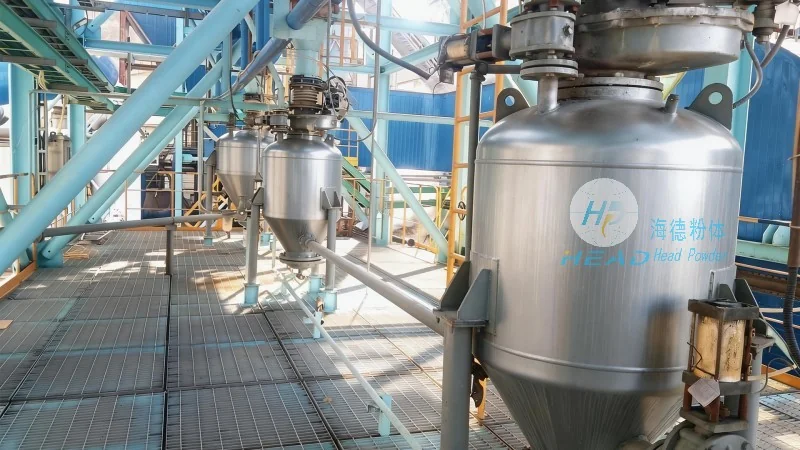
HeadPowder: Your Expert in Material Handling Solutions
Shandong HeadPowder Engineering Co., Ltd., based in Shandong, China, is a leading provider of industrial material handling equipment. With years of experience, HeadPowder specializes in designing and manufacturing conveyors, including pneumatic systems tailored for various powder materials. Their expertise ensures that equipment like the magnesium hydroxide material pneumatic conveyor meets the specific needs of clients in the chemical and related industries.
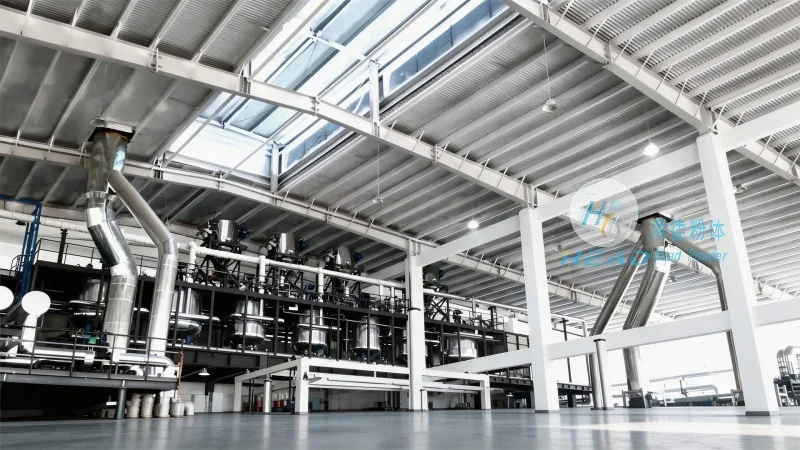
Understanding the Magnesium Hydroxide Material Pneumatic Conveyor
The magnesium hydroxide material pneumatic conveyor is a type of pneumatic conveying system that uses air or gas to transport magnesium hydroxide powder from one location to another. Unlike traditional mechanical conveyors, this system relies on the force of moving air to move the material through a pipeline. It is particularly suitable for handling fine, dusty powders that are difficult to transport with conventional methods, as it minimizes product contamination and reduces the risk of dust exposure.
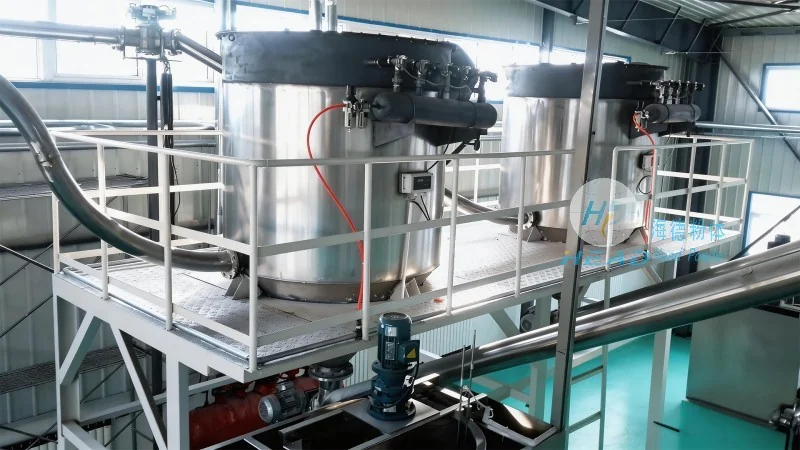
Key Design Principles of the Conveyor
The effectiveness of a magnesium hydroxide material pneumatic conveyor is rooted in several key design principles. First, the system operates on the principle of air pressure, either by generating positive pressure (blowing air into the pipe) or negative pressure (sucking air out of the pipe). The choice between positive and negative pressure depends on the specific application, such as the distance and layout of the conveying line. Second, the design considers the particle size and density of the magnesium hydroxide. Proper selection of air velocity and pipe diameter is critical to ensure that the powder is fully suspended and transported without clogging or degradation. Third, the system includes components like air locks, cyclones, and filters to separate the material from the air and prevent dust from escaping into the environment. These components are essential for maintaining product quality and ensuring compliance with environmental regulations.
Advantages of Using a Magnesium Hydroxide Material Pneumatic Conveyor
Implementing a magnesium hydroxide material pneumatic conveyor offers several advantages for industrial operations. One of the primary benefits is the ability to transport material over long distances without the need for multiple transfer points, which reduces downtime and improves overall efficiency. Additionally, the system is compact and can be integrated into existing production lines, saving space and installation costs. Another advantage is the minimal product degradation, as the material is not subjected to mechanical friction or impact during transport. This is especially important for sensitive materials like magnesium hydroxide, which can lose its properties if handled improperly. Furthermore, the pneumatic conveyor provides a closed system, which helps in controlling dust and maintaining a clean working environment, enhancing safety for operators.
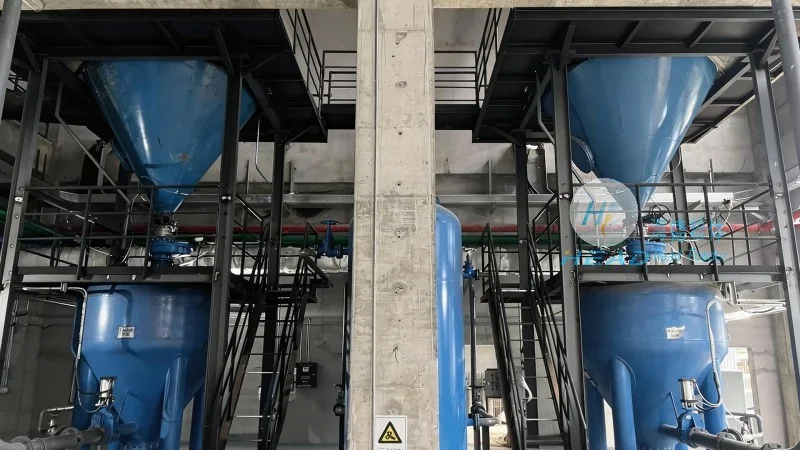
Application Scenarios and Considerations
The magnesium hydroxide material pneumatic conveyor is widely used in various industrial applications, including chemical manufacturing, pharmaceutical production, and food processing. In these industries, it is used to transport raw materials, intermediate products, and finished goods. When selecting a conveyor system, several factors need to be considered. The first is the material's properties, such as its moisture content, particle size distribution, and flowability. These factors affect the air velocity required for effective transport. The second is the distance and layout of the conveying line, which determines whether a positive or negative pressure system is more suitable. The third is the environmental regulations, as the system must comply with local dust control and emission standards. Proper maintenance is also crucial to ensure the longevity and efficiency of the conveyor. Regular cleaning of components, checking for air leaks, and replacing worn parts can prevent system failures and maintain optimal performance.