

What is a Pneumatic Conveyor for Solid Powder Materials? What Are Its Design Principles?
A pneumatic conveyor for solid powder materials is a system engineered to transport bulk solid powders through a pipeline using a gas stream, typically air or other gases. This technology is widely utilized across various industries such as chemical processing, food processing, pharmaceuticals, and mining, where efficient and safe handling of powders is essential. The system operates by generating a flow of air or gas within a closed or semi-closed pipeline, which then lifts and moves the powder particles from the source to the destination. The design of these conveyors is tailored to handle different types of powders, including fine powders, granules, and bulk materials, ensuring minimal product degradation and consistent performance.
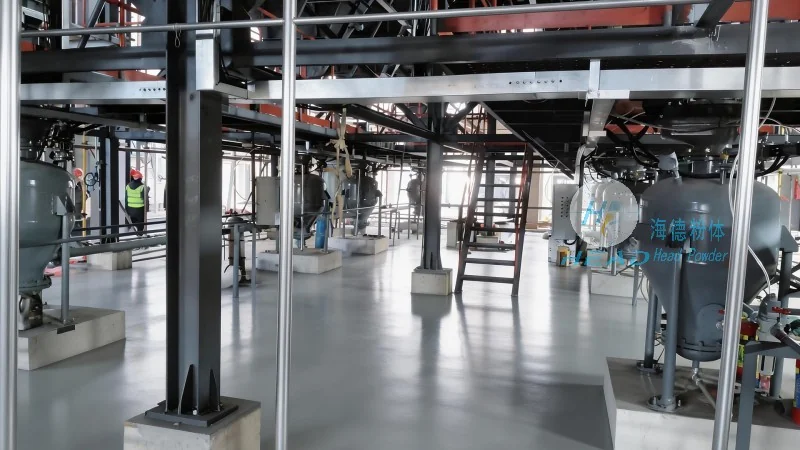
The Core Design Principles of Pneumatic Conveyors
The design principles of pneumatic conveyors revolve around fundamental fluid dynamics and particle mechanics. Key design considerations include the type of conveying system (pressure or vacuum), the velocity of the gas stream, the particle size and density of the material, and the length and diameter of the pipeline. Pressure conveyors utilize positive pressure to push material through the system, while vacuum conveyors employ negative pressure to pull material. The design must also account for pressure drop along the pipeline, which impacts the required power and overall system efficiency. Additionally, the system must be designed to prevent particle segregation, clogging, and degradation—common issues in powder handling.
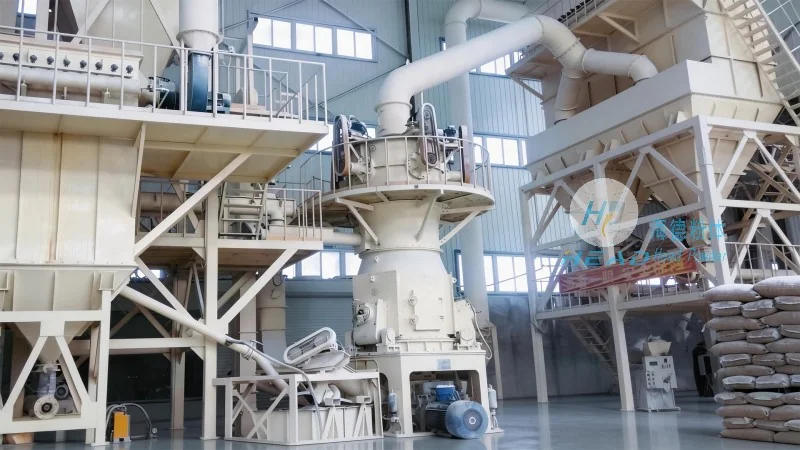
Key Components and Their Functions
The pneumatic conveyor system comprises several critical components, each with a specific role in operation. These include the material feed hopper (holding and feeding powder into the pipeline), the air or gas source (blower or compressor providing pressure/vacuum), the pipeline system (transporting material), the separation/collection equipment (removing powder from the gas stream), and the control system (regulating material and gas flow). Each component must be carefully selected and designed to ensure efficiency and reliability. For instance, the feed hopper often includes a feeder to control powder flow, while the pipeline is constructed from corrosion-resistant materials to withstand particle wear.
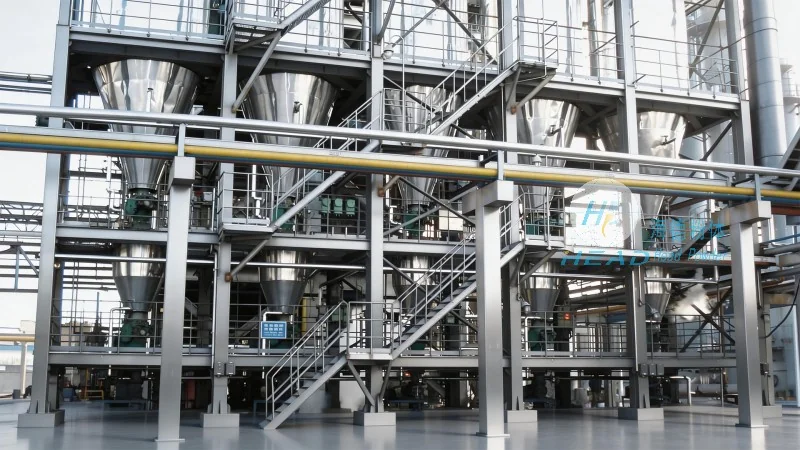
Applications and Benefits
Pneumatic conveyors are applied across diverse industries. In the chemical sector, they transport raw materials and finished products like powders and granules. In food processing, they handle ingredients such as flour, sugar, and spices, preserving freshness and hygiene. In pharmaceuticals, they move active ingredients and powders under strict quality and sanitation standards. Benefits include high efficiency, low maintenance, and adaptability to various materials. They also offer layout flexibility, with pipelines configurable to suit facility needs, and can integrate with other processing equipment (e.g., mixers, classifiers) to form complete production lines.
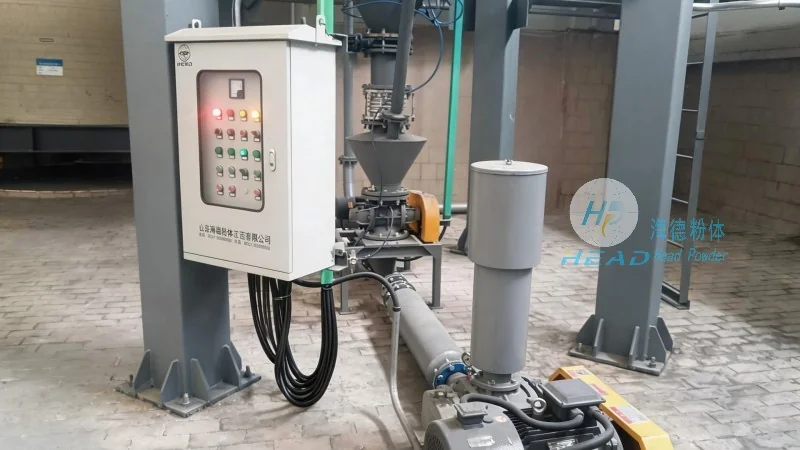
About Shandong HeadPowder Engineering Co., Ltd.
Shandong HeadPowder Engineering Co., Ltd. is a leading manufacturer and supplier of pneumatic conveyor systems for solid powder materials. Headquartered in Shandong, China, the company has a strong reputation for delivering high-quality, reliable, and efficient conveyor solutions globally. HeadPowder specializes in designing and manufacturing custom pneumatic conveyor systems to meet industry-specific requirements. Their products are recognized for durability, low maintenance, and superior performance, making them a preferred choice for businesses. With experienced engineers and technicians, HeadPowder is committed to providing innovative solutions for powder handling challenges. Advanced facilities and equipment ensure products meet high quality and safety standards.