

What is a Phosphate Iron Lithium Material Pneumatic Conveying Machine? And What Are Its Design Princ
Phosphate iron lithium (LFP) is a critical material in the modern battery industry, widely used in electric vehicles and renewable energy storage systems. The efficient handling and transportation of LFP powders are essential for industrial production processes. This article introduces the phosphate iron lithium material pneumatic conveying machine, detailing its design principles and operational mechanisms.
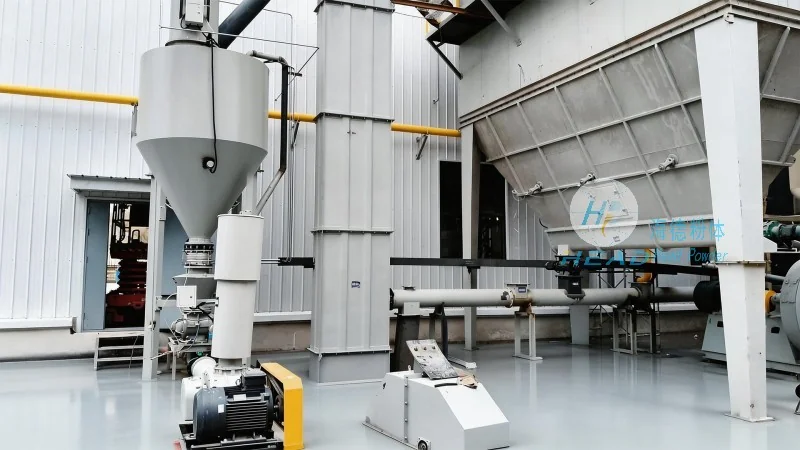
Introduction to Phosphate Iron Lithium Material Pneumatic Conveying Machine
A phosphate iron lithium material pneumatic conveying machine is a specialized equipment designed to transport LFP powders through a pressurized or vacuum air stream. This technology eliminates the need for traditional mechanical conveyors, such as screw or belt conveyors, which may cause material contamination or degradation. The machine operates by using compressed air to move the fine powders from a storage hopper to a processing unit, ensuring a clean and efficient transfer process.
Company Profile: Shandong HeadPowder Engineering Co., Ltd.
HeadPowder, or Shandong HeadPowder Engineering Co., Ltd., is a leading manufacturer specializing in powder handling and conveying solutions. With a base in Shandong, China, the company focuses on developing advanced pneumatic conveying systems tailored for high-value materials like LFP. HeadPowder's expertise lies in optimizing material flow, minimizing dust emissions, and ensuring compliance with industrial safety standards.
Design Principles of Pneumatic Conveying Systems
The design of a phosphate iron lithium material pneumatic conveying machine is based on fundamental principles of fluid dynamics and powder mechanics. The core components include a hopper for material storage, a conveying line (usually made of stainless steel to prevent corrosion), a blower or vacuum pump to generate the air flow, and a control system to regulate pressure and flow rates. The machine's design must consider the specific properties of LFP powders, such as their particle size, density, and moisture content, to ensure optimal performance.
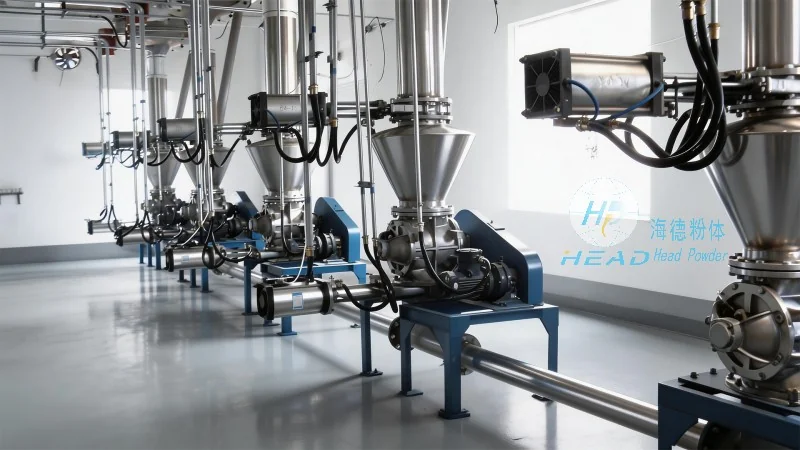
Key Design Considerations for LFP Material Handling
When designing a pneumatic conveying system for LFP, several factors are critical to maintain material integrity and system efficiency. First, the equipment must be constructed from materials resistant to chemical corrosion, as LFP powders may contain acidic components. Stainless steel or specialized coatings are commonly used for the conveying line and hopper. Second, the system must be equipped with effective dust collection and filtration to prevent environmental contamination and protect equipment from wear. Third, the air flow rate and pressure must be precisely controlled to avoid material agglomeration or excessive pressure drops, which could lead to blockages in the conveying line.
Operational Mechanism and Flow Path
The operational mechanism of a phosphate iron lithium material pneumatic conveying machine involves a sequential flow path. Initially, LFP powders are stored in a hopper equipped with a discharge valve. The control system then activates the blower, which generates a high-pressure air stream. This air stream is directed into the conveying line, where it picks up the LFP particles and transports them to the destination point, such as a mixing or charging station. The system may include multiple conveying lines for different processing stages, with the air flow adjusted based on the required material flow rate.
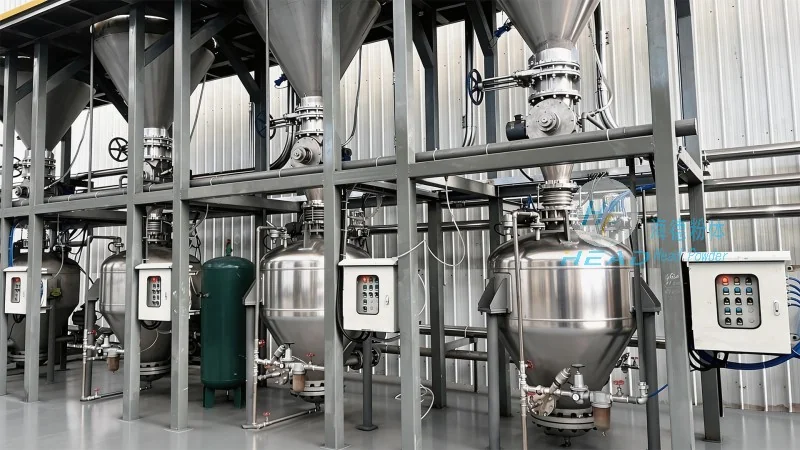
Advantages of Pneumatic Conveying for LFP Materials
Compared to traditional mechanical conveyors, pneumatic conveying offers several advantages for handling phosphate iron lithium powders. First, it provides a completely enclosed system, which prevents dust dispersion and ensures a clean working environment. Second, the system can handle fine powders with high efficiency, reducing material loss and improving process consistency. Third, pneumatic conveying is flexible in terms of layout, allowing for vertical or horizontal transport without the need for complex infrastructure. Finally, the equipment is easy to maintain and can be integrated with other industrial processes, enhancing overall production efficiency.
Application Scenarios in Battery Manufacturing
The phosphate iron lithium material pneumatic conveying machine is widely used in the battery manufacturing industry, particularly in the production of LFP cathodes. In this context, the machine transports LFP powders from raw material storage to mixing and coating lines. The enclosed system ensures that the powders remain uncontaminated, which is crucial for maintaining the quality and performance of the final battery products. Additionally, the system's ability to handle high volumes of material at a controlled rate supports the scalability of battery production lines.
Conclusion
Phosphate iron lithium material pneumatic conveying machines are essential equipment for the efficient and safe handling of LFP powders in modern battery manufacturing. The design principles, focusing on material compatibility, system flexibility, and environmental protection, ensure that these machines meet the stringent requirements of the industry. As the demand for electric vehicles and renewable energy storage grows, the importance of reliable and efficient material handling systems like those offered by Shandong HeadPowder Engineering Co., Ltd. becomes increasingly significant.