

What is a Glass Bead Material Pneumatic Conveying Machine? And What Are Its Design Principles?
For industries dealing with glass beads and similar fine particulate materials, efficient material handling is crucial. A glass bead material pneumatic conveying machine is a specialized equipment designed to transport these materials through a pipeline using air pressure or vacuum. This article explores what such a machine is and the underlying design principles that make it effective.
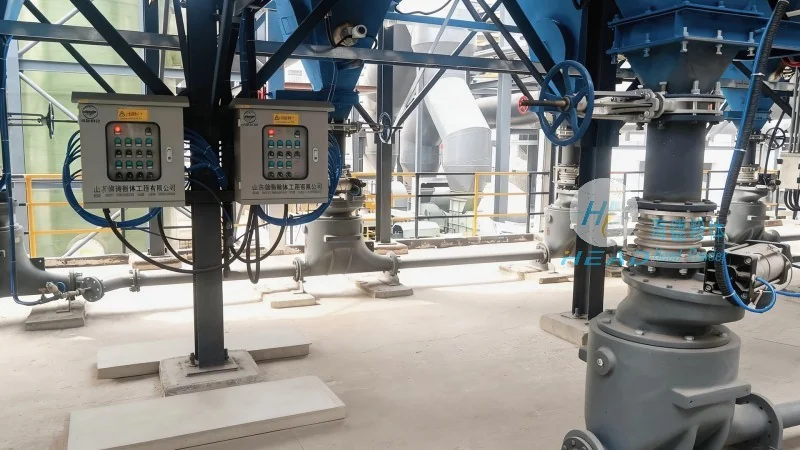
About Shandong HeadPowder Engineering Co., Ltd.
HeadPowder, a leading manufacturer in the field, specializes in the design and production of advanced pneumatic conveying systems. With a strong presence in China, particularly in Shandong province, the company has built a reputation for delivering high-quality, reliable equipment tailored to the unique needs of various industrial applications. Their expertise lies in understanding the specific challenges of handling glass beads and other fine powders, ensuring that their machines offer optimal performance and durability.
Understanding the Glass Bead Material Pneumatic Conveying Machine
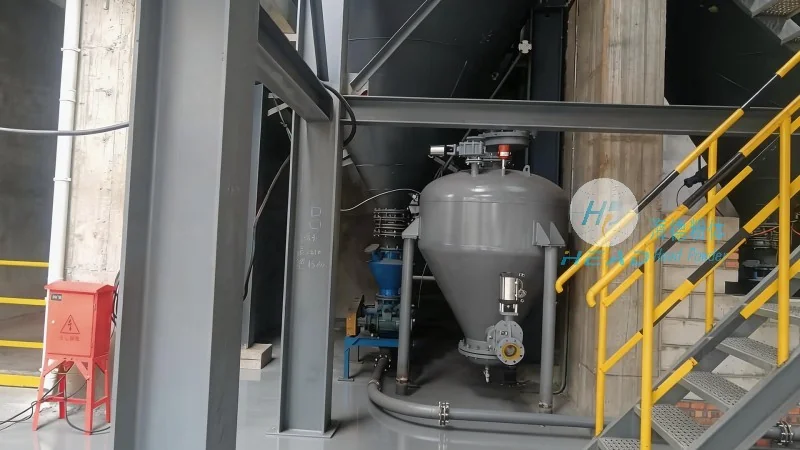
The glass bead material pneumatic conveying machine is a system that utilizes air as the primary medium to move glass beads from one location to another. Unlike traditional mechanical conveyors, which rely on physical contact and friction, pneumatic systems offer several advantages, especially for delicate or abrasive materials like glass beads. The machine typically consists of a hopper for material storage, a conveyor line with a series of pipes, and a control system to regulate air flow and pressure. The key components include the feed hopper, the conveying line, the air compressor or vacuum pump, and the discharge unit. This system allows for the safe and efficient transport of glass beads over long distances, minimizing material degradation and operational downtime.
Design Principles Behind the Pneumatic Conveying System
The design of a glass bead material pneumatic conveying machine is based on fundamental principles of fluid dynamics and material handling. The primary design principle is the use of air velocity to create a flow that can carry the glass beads through the pipeline. The air velocity must be sufficient to overcome the gravitational force acting on the beads and any friction within the system. The system is often designed with a combination of positive pressure (blowing air into the line) and negative pressure (sucking air out of the line) to optimize material transport. The hopper design is critical, as it needs to prevent material bridging and ensure a consistent feed rate. The conveying line is usually made of materials that are resistant to abrasion and corrosion, such as stainless steel or special polymers, to withstand the wear from glass beads. The control system is integrated to monitor and adjust air pressure, flow rate, and material feed, ensuring stable operation and preventing issues like blockages or excessive pressure drops.
Applications and Benefits in Industrial Settings
Glass bead material pneumatic conveying machines are widely used in various industries where glass beads are processed or used as raw materials. These include the glass manufacturing industry, where glass beads are used as fillers or in the production of glass products. Other applications include the automotive industry, where glass beads are used in coatings and paints, and the construction industry, where they are used in decorative materials or as abrasives. The benefits of using such a machine include improved material handling efficiency, reduced labor costs, and enhanced safety by minimizing manual handling of fine powders. Additionally, the system can be designed to handle different bead sizes and shapes, making it versatile for various industrial needs. The ability to transport materials over long distances without the need for multiple transfer points also contributes to operational efficiency.
Maintenance and Operational Considerations
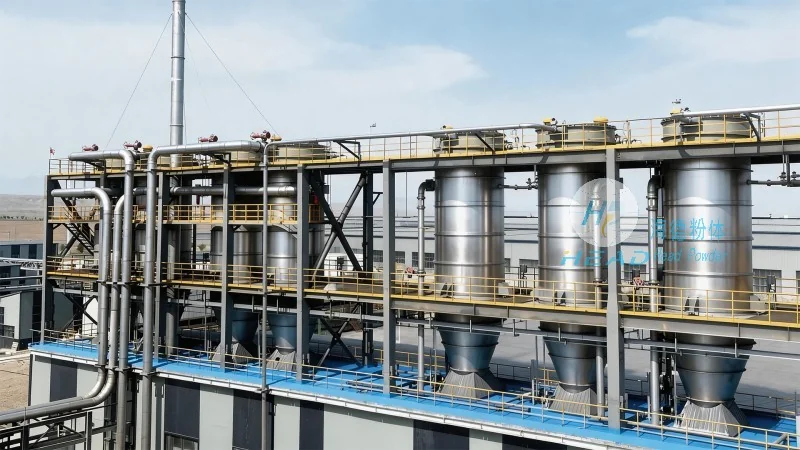
Proper maintenance is essential to ensure the longevity and optimal performance of a glass bead material pneumatic conveying machine. Regular inspection of the conveying line for wear and tear, cleaning of the hopper and filter system to prevent clogging, and checking the air compressor or vacuum pump for proper functioning are all critical tasks. The system should be designed with easy access to components for maintenance, reducing downtime. Additionally, the control system should be calibrated regularly to maintain consistent air pressure and flow rates. Proper training of operators on the safe operation of the machine is also important to prevent accidents and ensure efficient performance. By following these maintenance practices, the machine can operate reliably for extended periods, providing consistent and efficient material transport.
Conclusion
Glass bead material pneumatic conveying machines are essential equipment for industries dealing with fine particulate materials like glass beads. The design principles behind these machines, combined with advanced engineering and manufacturing, ensure efficient and reliable material transport. Companies like Shandong HeadPowder Engineering Co., Ltd. play a vital role in providing high-quality solutions tailored to the specific needs of various industrial applications. By understanding the design and operational aspects of such machines, industries can improve their material handling processes, reduce costs, and enhance overall productivity.