

What is a Expanded Clay Aggregate Material Pneumatic Conveying Equipment? What are the Design Princi
For industries dealing with expanded clay aggregate, efficient material handling is crucial. Pneumatic conveying equipment offers a reliable solution to transport these lightweight, granular materials with precision and minimal disruption. This article explores what such equipment entails and the fundamental design principles that make it effective.
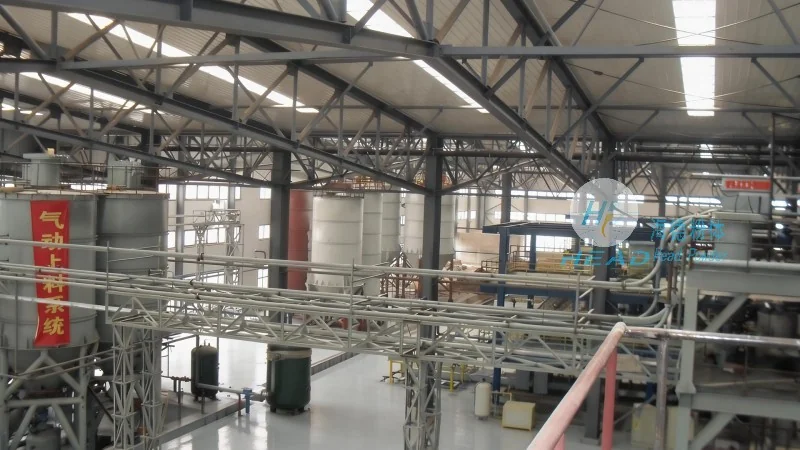
Understanding the Core Function of the Equipment
At its core, a pneumatic conveying system for expanded clay aggregate is designed to move bulk materials through a pipeline using air pressure. Unlike traditional methods like belt conveyors or bucket elevators, this system utilizes compressed air to create a flow that transports the material from the source to the destination. The equipment is particularly suited for handling fine or dusty materials, as it can prevent dust dispersion and maintain a clean working environment.
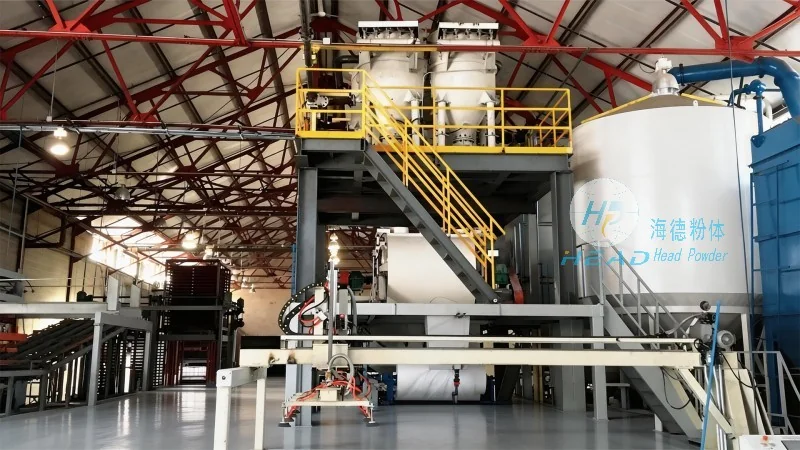
Key Design Principles Behind the System
The design principles of this equipment revolve around several key factors, including air velocity, pipeline design, and material properties. The air velocity must be sufficient to overcome the material's resistance and lift it into the pipeline. Typically, the velocity is maintained at a level that ensures the material remains suspended in the air stream, preventing settling or blockages. The pipeline diameter and length are carefully calculated to optimize the flow, considering factors like material density, particle size, and the desired conveying distance.
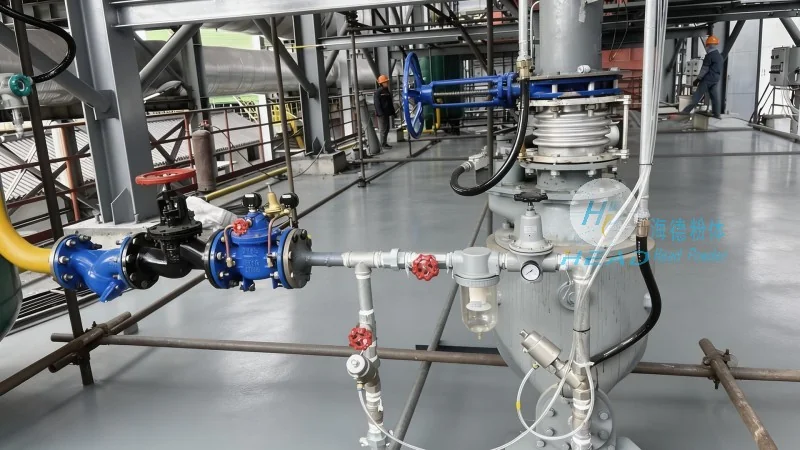
Components and Their Roles in the Conveying Process
Several components work in tandem to ensure the smooth operation of the system. The hopper or feed hopper is where the expanded clay aggregate is loaded, and it often includes a feeder mechanism to control the flow rate. The air compressor generates the necessary pressure to move the material, and the pipeline network connects the various sections of the system. The receiver or discharge hopper collects the material at the end of the conveying line. Each component is designed to handle the specific characteristics of expanded clay aggregate, such as its lightweight nature and potential for dust generation.
Operational Advantages and Practical Applications
Operational advantages of pneumatic conveying equipment for expanded clay aggregate include high efficiency, low maintenance, and the ability to handle materials in a closed system, reducing environmental impact. The system can be integrated into existing production lines, and its flexibility allows for changes in conveying routes or capacity. Applications range from small-scale batch processing to large-scale industrial operations, where the equipment can handle high volumes of material with minimal downtime. The technology is also suitable for environments where dust control is critical, as the enclosed system prevents particles from escaping into the air.
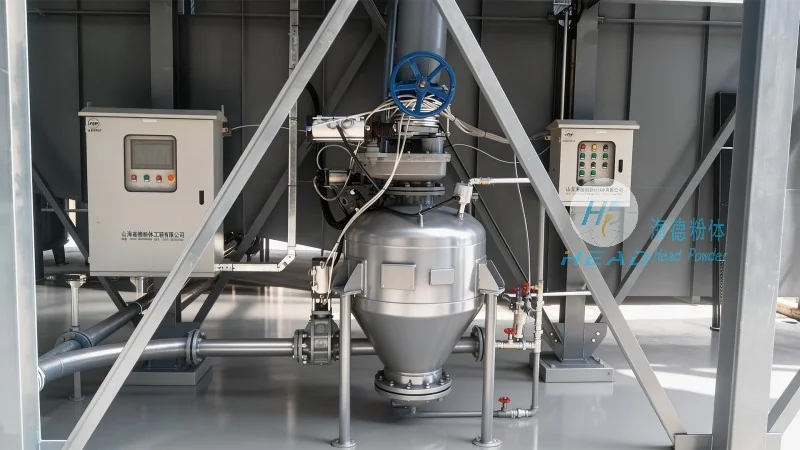
Company Profile: Shandong HeadPowder Engineering Co., Ltd.
Shandong HeadPowder Engineering Co., Ltd., based in Shandong, China, specializes in the design and manufacturing of advanced material handling solutions. With years of experience in the industry, the company has developed expertise in creating customized pneumatic conveying systems tailored to the unique needs of clients. Their commitment to quality and innovation ensures that their equipment meets the highest standards of performance and reliability, making them a trusted partner for businesses in the expanded clay aggregate sector.