

What is Kaolin Material Pneumatic Conveying Equipment? What are the Design Principles?
Understanding the technology behind kaolin material pneumatic conveying equipment is crucial for industries that rely on efficient and reliable material handling solutions. This equipment is specifically designed to transport kaolin, a key industrial mineral, using air as the primary medium for movement. The design principles of such systems are centered on optimizing the flow of material, ensuring minimal degradation, and maintaining consistent performance under various operational conditions.
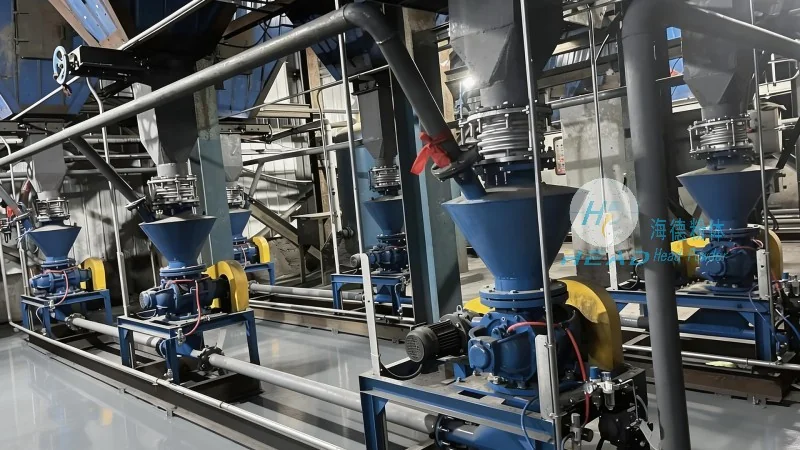
HeadPowder: A Leader in Kaolin Material Handling Solutions
Shandong HeadPowder Engineering Co., Ltd., commonly known as HeadPowder, is a prominent manufacturer specializing in advanced material handling equipment. With a strong presence in China, particularly in Shandong province, the company has established itself as a trusted partner for businesses seeking efficient solutions for kaolin and other fine powders. HeadPowder's commitment to innovation and quality ensures that their equipment meets the highest standards of performance and durability, catering to the diverse needs of the industrial sector.
The Functionality of Kaolin Material Pneumatic Conveying Equipment
Kaolin material pneumatic conveying equipment operates by utilizing a pressurized air system to transport kaolin particles through a network of pipes. This method offers several advantages over traditional mechanical conveying systems, including reduced equipment wear, lower maintenance costs, and the ability to handle materials in a dust-free environment. The equipment typically includes components such as a blower or compressor to generate the necessary air pressure, a hopper for material storage, and a series of pipes that guide the material from the source to the destination. The system is designed to maintain a consistent flow rate, ensuring that the kaolin particles are conveyed smoothly without clogging or degradation.
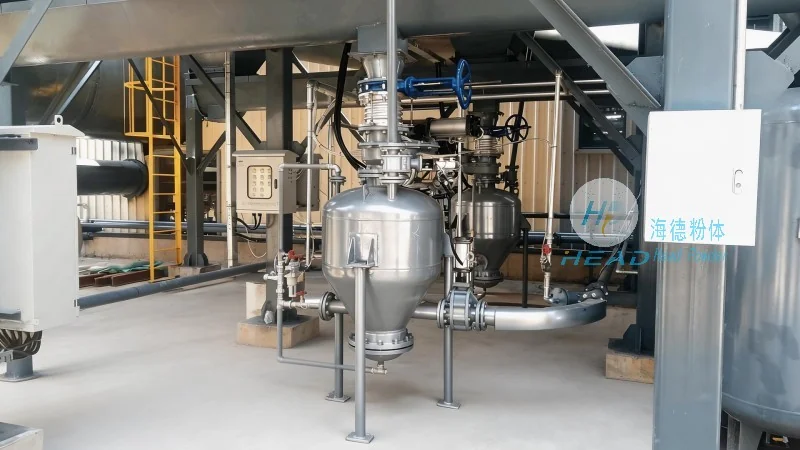
Design Principles Underpinning the Equipment
The design principles of kaolin material pneumatic conveying equipment are based on several key factors that ensure optimal performance. First, the system must be capable of handling fine particles, as kaolin is often in a powder form with a specific particle size distribution. This requires careful consideration of the air velocity and pipe diameter to prevent particle segregation or deposition. Second, the equipment must incorporate efficient separation mechanisms to separate the conveyed material from the air stream, typically using cyclone separators or bag filters. These components are crucial for maintaining the purity of the kaolin and preventing contamination from the air. Third, the design must account for the pressure drop along the conveying line, which affects the overall efficiency of the system. Engineers use computational fluid dynamics (CFD) and empirical formulas to calculate the optimal air velocity and pipe dimensions that minimize energy consumption while maintaining material transport.
Key Components and Their Roles
The effectiveness of kaolin material pneumatic conveying equipment depends on the integration of several critical components. The air source, usually a high-efficiency blower, provides the necessary pressure to move the material. The hopper, often equipped with a feeder or rotary valve, ensures a continuous and controlled supply of kaolin to the system. The conveying pipes, made from materials resistant to corrosion and abrasion, such as stainless steel or special alloys, are designed to withstand the abrasive nature of kaolin particles. The separation system, including cyclones and filters, is essential for recovering the material and cleaning the air. Additionally, the system may include controls and monitoring devices to adjust the air pressure, flow rate, and other parameters in real-time, ensuring stable operation and preventing system failures.

Advantages and Applications
Using kaolin material pneumatic conveying equipment offers numerous benefits for industries that process kaolin. These include improved safety by eliminating the need for manual handling of powders, reduced environmental impact by containing dust emissions, and increased operational efficiency through automated control systems. The equipment is widely used in applications such as kaolin mining, processing plants, and manufacturing facilities where the material needs to be transported from storage to processing units or from production lines to packaging areas. The flexibility of pneumatic conveying allows for vertical, horizontal, or even inclined transport, making it suitable for various layouts and operational requirements.
Conclusion and Company Commitment
As a leading manufacturer, Shandong HeadPowder Engineering Co., Ltd. continues to innovate in the design and production of kaolin material pneumatic conveying equipment. By adhering to rigorous design principles and incorporating advanced technologies, the company ensures that their equipment delivers reliable performance and meets the evolving needs of the industrial market. With a strong focus on quality and customer satisfaction, HeadPowder remains dedicated to providing solutions that enhance productivity and efficiency in material handling processes. The design principles and components discussed above highlight the complexity and sophistication of modern kaolin conveying systems, underscoring the importance of professional engineering and manufacturing in delivering effective solutions for industries worldwide.