

Cotton Fiber Conveying Methods: What Are the Options?
When it comes to handling and transporting cotton fibers efficiently, selecting the right conveying method is crucial for optimizing production processes and maintaining product quality. Cotton fiber conveying involves moving raw cotton or processed fibers from one location to another within a textile manufacturing facility. The choice of method depends on various factors including the type of cotton, the scale of operation, and the specific requirements of the processing line. In this article, we explore the primary methods used for cotton fiber conveying, providing insights into their applications and benefits.
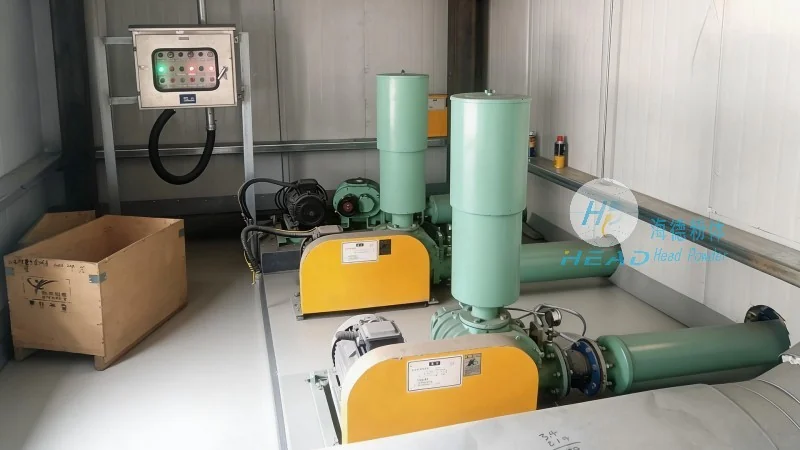
Key Factors Influencing Cotton Fiber Conveying Choices
Before delving into the different conveying methods, it's essential to understand the key factors that influence the selection process. These factors include the physical properties of the cotton fibers, such as their length, fineness, and moisture content. The scale of the operation, whether it's a small-scale spinning mill or a large industrial textile plant, also plays a significant role. Additionally, the layout of the facility, the distance the fibers need to travel, and the need for dust control or environmental compliance are critical considerations. By evaluating these factors, textile manufacturers can choose the most suitable conveying method to ensure smooth operations and minimize downtime.
1. Mechanical Conveying Systems
Mechanical conveying systems are among the most traditional and widely used methods for cotton fiber transportation. These systems rely on mechanical components like belts, chains, or screws to move the fibers. One common type is the belt conveyor, which uses a continuous belt to transport cotton from one point to another. Belt conveyors are particularly effective for transporting bulk quantities of raw cotton or baled fibers over short to medium distances. They are simple to install and maintain, making them a cost-effective solution for many textile mills. Another mechanical option is the screw conveyor, which uses a rotating screw to push fibers forward. Screw conveyors are ideal for handling fine or dusty cotton fibers and can operate in vertical or inclined positions, allowing for multi-level material handling. These systems are often integrated with other processing equipment, such as opening machines or carding machines, to form a seamless production line.
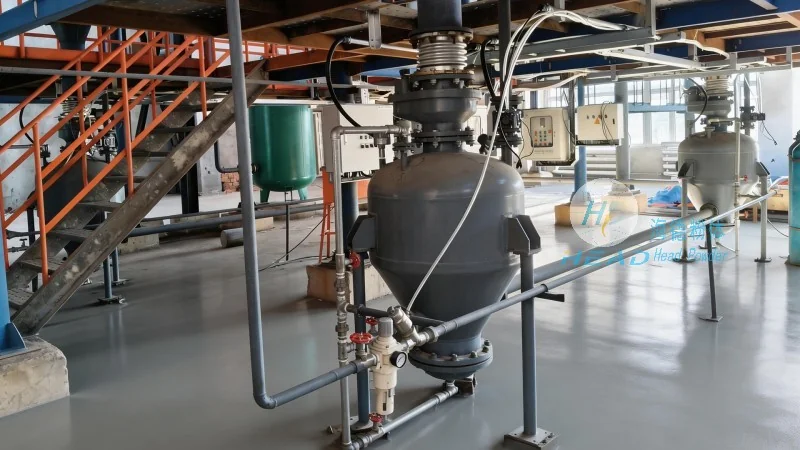
2. Pneumatic Conveying Systems (Air-Flow Systems)
Pneumatic conveying, also known as air-flow systems, is another popular method for cotton fiber transportation. This technique uses compressed air to transport fibers through a pipeline. There are two main types of pneumatic conveying: pressure and vacuum systems. Pressure systems push the fibers forward using high-pressure air, while vacuum systems draw the fibers into the pipeline using low-pressure air. Pneumatic conveying offers several advantages, including the ability to transport fibers over long distances with minimal loss of quality. It also provides good dust control, as the fibers are contained within the pipeline, reducing the risk of contamination or environmental issues. However, pneumatic systems require more energy compared to mechanical systems and may need specialized equipment for cleaning and maintenance. They are commonly used in large-scale textile plants where the need for efficient, long-distance transportation is critical.
3. Air-Lift Conveying
Air-lift conveying is a specialized form of pneumatic conveying that uses vertical or inclined pipes to transport cotton fibers. This method is particularly useful for moving fibers vertically, such as from a storage hopper to an upper level of the processing plant. The system operates by creating a pressure differential between the top and bottom of the pipe, which lifts the fibers using the upward flow of air. Air-lift conveyors are efficient for handling fine fibers and can operate at high speeds, making them suitable for high-volume production. They are often used in conjunction with other pneumatic systems to form a comprehensive conveying network. However, air-lift systems may require more maintenance due to the constant movement of air and the potential for wear on the pipe surfaces.
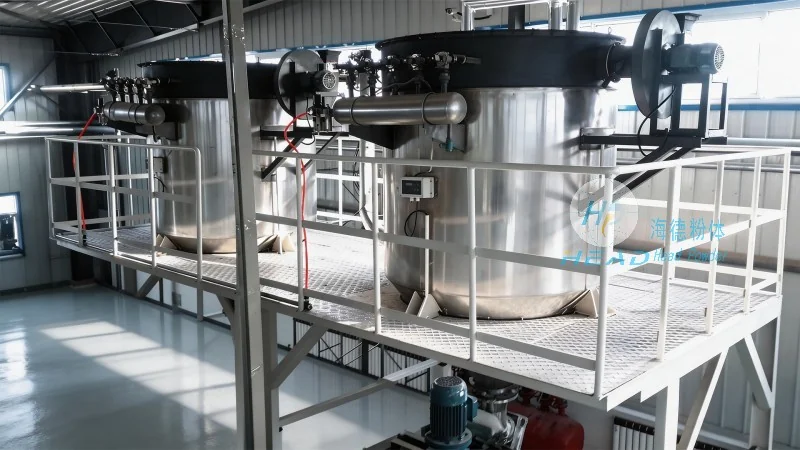
4. Hydraulic Conveying
Hydraulic conveying systems use water or other liquids to transport cotton fibers. This method is less common in modern textile mills but can be used in specific applications where other methods are not feasible. The fibers are suspended in the liquid and moved through a pipeline by the flow of the liquid. Hydraulic systems are effective for handling very fine or delicate fibers that might be damaged by mechanical or pneumatic methods. They also provide excellent dust control and can be used in environments where air quality is a concern. However, hydraulic systems require additional equipment for liquid handling and may be more expensive to install and maintain compared to other methods. They are typically used in specialized textile processes, such as those involving synthetic fibers or certain types of finishing operations.
5. Combination Conveying Systems
In many textile plants, a combination of different conveying methods is used to achieve optimal efficiency. For example, a facility might use a mechanical conveyor to transport raw cotton from the storage area to a processing line, followed by a pneumatic system to move the fibers to the next stage of processing. This integrated approach allows for seamless material flow and minimizes the need for manual handling. Combination systems are particularly useful in large-scale operations where different parts of the plant require different conveying methods based on the specific requirements of each process. By combining the strengths of various methods, manufacturers can enhance productivity and reduce operational costs.
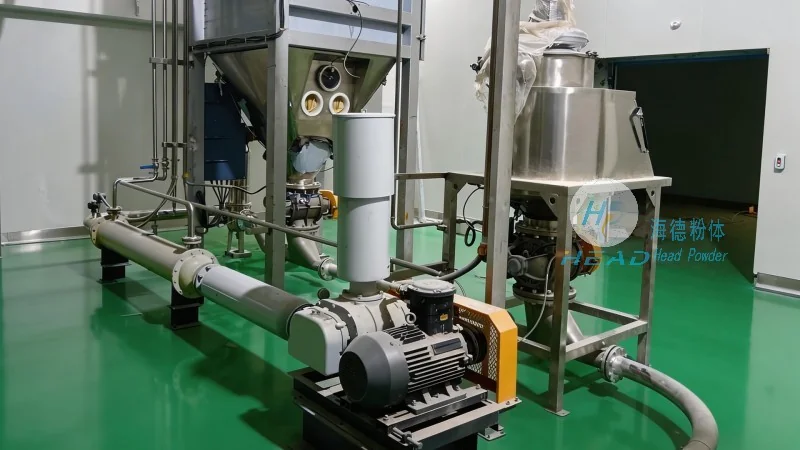
Choosing the Right Conveying Method for Your Business
Selecting the appropriate cotton fiber conveying method requires careful consideration of the specific needs of your textile operation. It's important to evaluate factors such as the type of cotton being processed, the scale of production, the distance the fibers need to travel, and the overall budget. Consulting with experts in the field, such as those from Shandong HeadPowder Engineering Co., Ltd., can provide valuable insights into the most suitable options. HeadPowder, a leading provider of textile engineering solutions, offers comprehensive expertise in designing and implementing efficient conveying systems tailored to the unique requirements of each client. With a focus on quality and innovation, HeadPowder helps textile manufacturers optimize their operations and improve overall productivity. Whether you're a small-scale spinner or a large industrial plant, HeadPowder's team of engineers can assist in selecting the right conveying method to ensure smooth and efficient cotton fiber transportation.
Conclusion
Cotton fiber conveying is a critical aspect of textile manufacturing, and choosing the right method can significantly impact the efficiency and quality of the production process. From traditional mechanical systems to advanced pneumatic and hydraulic solutions, there are various options available to meet the diverse needs of modern textile operations. By understanding the key factors influencing the selection process and evaluating the strengths and limitations of each method, manufacturers can make informed decisions that enhance productivity and reduce costs. For businesses seeking expert guidance in selecting and implementing cotton fiber conveying systems, Shandong HeadPowder Engineering Co., Ltd. offers reliable and tailored solutions to meet their specific requirements.