

Types of Corn Cob Conveying Methods: A Comprehensive Overview
Corn cob conveying is a critical process in agricultural and industrial applications, particularly in the processing of corn for feed, fuel, or other byproducts. The efficiency and reliability of the conveying system directly impact production output and operational costs. Understanding the various methods available for transporting corn cobs is essential for selecting the most suitable solution for specific needs. This article explores the primary types of corn cob conveying systems, highlighting their features, advantages, and typical applications.
1. Screw Conveyors for Corn Cob Transport
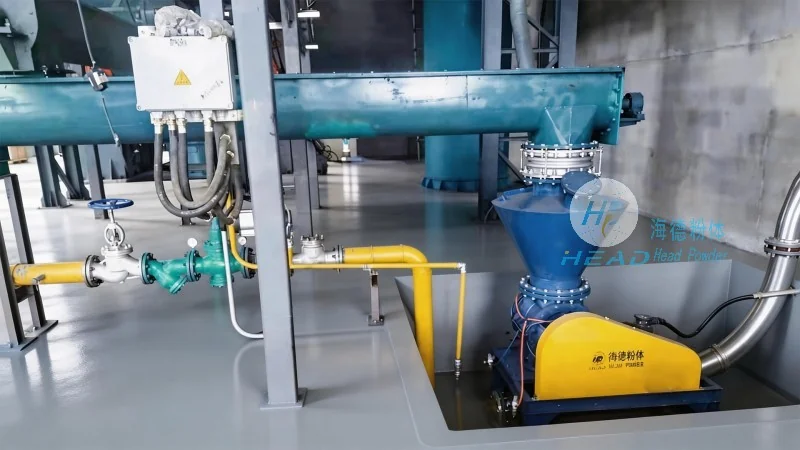
Screw conveyors, also known as auger conveyors, are among the most common and versatile equipment used for corn cob transportation. These systems consist of a rotating helical screw inside a trough or tube, which moves material along the length of the conveyor. The design allows for both horizontal and vertical transport, making them adaptable to various layouts in processing facilities. For corn cobs, screw conveyors are particularly effective due to their ability to handle bulk materials with minimal spillage and low maintenance requirements. They are often used in feed mills, where they can transport cobs from storage to processing lines or from one stage of the production process to another. The smooth operation of screw conveyors ensures consistent material flow, which is crucial for maintaining production rates. Additionally, their enclosed design helps contain dust and prevent contamination, which is vital in food and animal feed applications. However, screw conveyors may experience wear on the screw and trough over time, especially when handling abrasive or fibrous materials like corn cobs. Regular maintenance, such as lubrication and inspection of the screw surface, is necessary to ensure long-term performance.
2. Pneumatic (Air) Conveying Systems
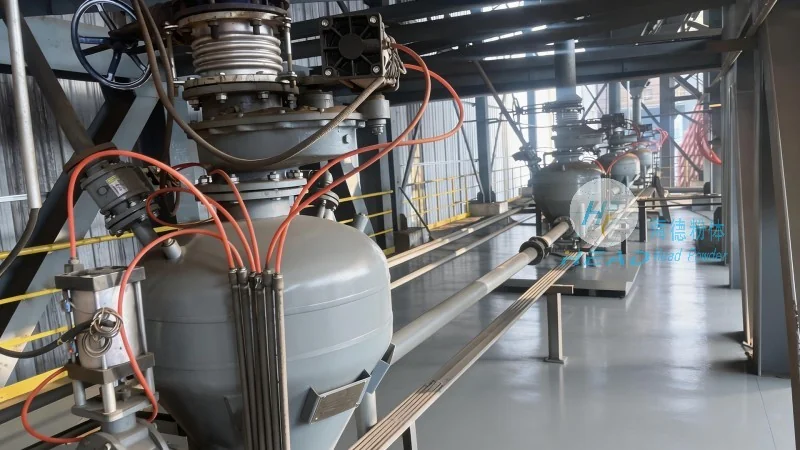
Pneumatic conveying systems use air pressure to transport corn cobs through a network of pipes. This method is highly effective for long-distance and high-volume transport, as it can move materials over considerable distances without the need for multiple transfer points. There are two main types of pneumatic conveyors: positive displacement and pressure-assisted systems. Positive displacement conveyors use a rotating mechanism to push material through the pipe, while pressure-assisted systems rely on compressed air to draw material into the line. For corn cobs, positive displacement systems are often preferred because they can handle larger particles and provide more consistent flow rates. Pneumatic conveying offers several advantages, including the ability to transport materials in a closed system, which reduces dust exposure and improves safety. It also allows for the integration of multiple conveying lines, enabling the distribution of cobs to different processing units or storage areas. However, pneumatic systems require higher energy input compared to mechanical conveyors, and the initial investment can be significant. The system also needs regular cleaning to prevent material buildup in the pipes, which can affect performance and efficiency. Despite these considerations, pneumatic conveying remains a popular choice for facilities that require flexible and efficient transport solutions.
3. Belt Conveyors in Corn Cob Handling
Belt conveyors are another widely used method for corn cob transport, especially in applications where long distances or elevated transport is required. These systems consist of a continuous belt that moves over rollers or pulleys, carrying the material from one point to another. Belt conveyors are particularly suitable for horizontal and slight incline transport, making them ideal for moving cobs from storage silos to processing equipment or for transporting them over large areas in feed mills. The design of belt conveyors allows for high capacity and continuous operation, which contributes to increased productivity. They are also relatively simple to install and maintain, with components that are easily accessible for inspection and repair. One of the key advantages of belt conveyors is their ability to handle a wide range of material sizes and shapes, including irregularly shaped corn cobs. This flexibility makes them suitable for various processing stages, from initial collection to final packaging. However, belt conveyors may require more space compared to other systems, and they can be susceptible to material buildup on the belt surface, which can affect traction and cause slippage. Regular cleaning and tension adjustments are necessary to maintain optimal performance. Additionally, the open design of belt conveyors may lead to dust emissions if not properly enclosed, which can impact air quality and worker safety.
4. Hydraulic Conveying for Specialized Applications
Hydraulic conveying systems use fluid pressure to transport corn cobs, typically in applications where other methods are not feasible. These systems consist of a pump that forces a liquid medium (such as water or a specialized fluid) through a pipeline, carrying the solid material along with it. Hydraulic conveying is particularly effective for transporting cobs in underground or confined spaces, such as in silos or tunnels. It is also useful for applications requiring gentle handling of delicate materials, as the fluid reduces impact and abrasion. However, hydraulic systems are more complex and expensive to install and maintain compared to mechanical or pneumatic systems. They require regular monitoring of fluid levels and pressure to ensure proper operation, and the system is susceptible to leaks or contamination, which can affect performance. Despite these challenges, hydraulic conveying offers unique advantages in specialized environments, such as in the processing of cobs for biofuel production or in facilities with limited vertical space.
5. Combining Conveying Methods for Optimal Efficiency
In many industrial settings, a single conveying method may not be sufficient to meet all the requirements of corn cob transport. Therefore, combining different types of conveyors is a common practice to achieve optimal efficiency and flexibility. For example, a facility might use a screw conveyor to transport cobs from a storage bin to a belt conveyor, which then moves them to a pneumatic system for final distribution. This integrated approach allows for seamless material flow, reduces bottlenecks, and improves overall productivity. The combination of screw and belt conveyors is particularly effective for handling large volumes of cobs, as the screw provides initial transport and the belt handles longer distances. Similarly, pneumatic systems can be integrated with belt conveyors to transport cobs from processing units to storage areas. The key to successful integration is proper planning and coordination of the conveyor layout, ensuring that each system works in harmony with the others. This approach also allows for easier expansion of the facility, as additional conveying lines can be added without disrupting existing operations. By combining different conveying methods, companies can achieve a more efficient and cost-effective corn cob transport system that meets their specific operational needs.
6. Choosing the Right Conveying System for Your Needs
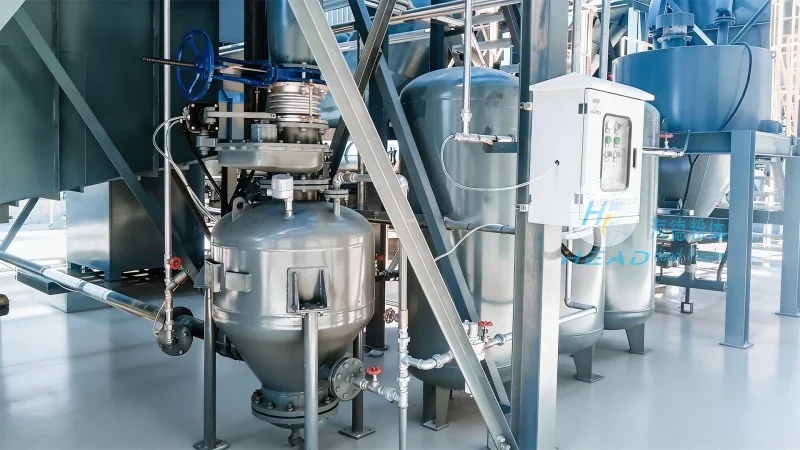
Selecting the appropriate corn cob conveying system requires careful consideration of several factors, including the volume of material to be transported, the distance and elevation changes, the available space, and the specific characteristics of the corn cobs. Each conveying method has its own strengths and limitations, and the best choice depends on the unique requirements of the application. For example, if the facility requires long-distance transport with minimal maintenance, a pneumatic system may be the best option. If the space is limited and the transport distance is short, a screw conveyor might be more suitable. The cost of the system, including initial investment and ongoing maintenance, is also a critical factor to consider. Additionally, the impact on worker safety and environmental compliance should be evaluated, as some systems may generate more dust or require more energy than others. Consulting with a professional conveyor system provider, such as Shandong HeadPowder Engineering Co., Ltd., can help in making an informed decision. HeadPowder specializes in designing and manufacturing customized conveying solutions tailored to the specific needs of agricultural and industrial clients. With years of experience in the industry, they can provide expert advice on the most suitable corn cob conveying system for your operation, ensuring optimal performance and efficiency.
7. Conclusion: Enhancing Efficiency with Proper Conveying
Efficient corn cob conveying is essential for maximizing productivity and minimizing operational costs in agricultural and industrial processes. The various methods discussed, including screw conveyors, pneumatic systems, belt conveyors, and hydraulic conveyors, each offer unique advantages and are suitable for different applications. By understanding the characteristics and limitations of each system, facilities can select the most appropriate solution to meet their specific needs. The integration of multiple conveying methods can further enhance efficiency and flexibility, allowing for seamless material flow throughout the production process. As the demand for corn cobs continues to grow, the importance of reliable and efficient conveying systems will only increase. Companies like Shandong HeadPowder Engineering Co., Ltd. play a vital role in providing customized solutions that help clients achieve their operational goals while maintaining high standards of safety and environmental compliance. By investing in the right conveying system, businesses can improve their overall performance and remain competitive in the market.