

What is a Metal Silicon Material Conveying Line? What are its Design Principles?
Welcome to Shandong HeadPowder Engineering Co., Ltd., where we specialize in providing advanced material handling solutions for the metal silicon industry. In this article, we will explore the concept of a metal silicon material conveying line and delve into the fundamental design principles that underpin its functionality and efficiency.
Understanding the Metal Silicon Material Conveying Line
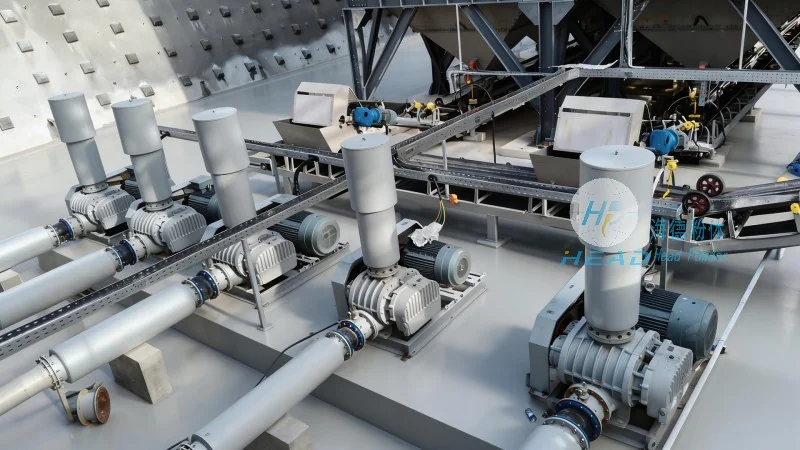
A metal silicon material conveying line is a specialized system engineered to transport metal silicon powders or granules from one processing stage to another within industrial facilities. These systems are critical in the metal silicon production process, ensuring that raw materials are moved efficiently and safely from storage, to processing equipment, and finally to packaging or further treatment. The design of such a line must account for the unique properties of metal silicon, including its chemical reactivity, particle size, and potential for dust generation, which can impact both operational safety and material integrity.
Key Design Principles for Metal Silicon Conveying Lines
The design of a metal silicon material conveying line is guided by several core principles aimed at optimizing performance, ensuring safety, and maintaining material quality. First, the system must prioritize containment and dust control, as metal silicon powders are often fine and can pose health and environmental risks if not properly managed. This is typically achieved through enclosed conveyor systems, such as pneumatic or mechanical conveyors, which minimize exposure to airborne particles.
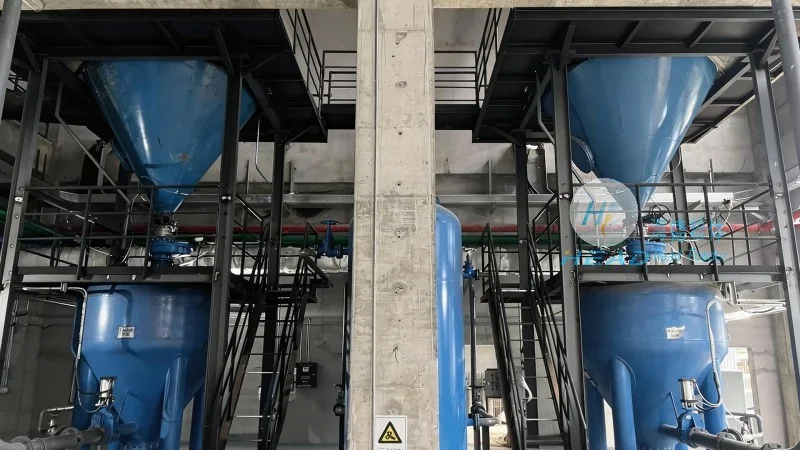
Second, the design must consider the mechanical properties of metal silicon. The material may be abrasive or have a tendency to agglomerate, which can affect the efficiency of the conveying process. Therefore, components like conveyor belts, hoppers, and chutes are often constructed from durable, corrosion-resistant materials, such as stainless steel or specialized polymers, to withstand the wear and tear associated with handling metal silicon.
Third, the system’s layout and integration with other processing equipment are crucial. A well-designed conveying line should be seamlessly integrated with storage silos, mixing units, and downstream processing machinery, allowing for a continuous and automated workflow. This integration reduces manual handling, minimizes material loss, and enhances overall production throughput. Additionally, the design may incorporate features like variable speed drives and sensors to monitor flow rates and detect blockages or malfunctions in real-time, ensuring smooth operation and preventing downtime.
Components and Functional Aspects of the Conveying Line
At the heart of a metal silicon material conveying line are several key components that work in concert to achieve efficient material transport. The primary components include hoppers or feeders for material storage and discharge, conveyor mechanisms (such as screw conveyors, belt conveyors, or pneumatic systems) for movement, and control systems for regulating flow and monitoring performance. Each component is carefully selected and sized based on the specific characteristics of the metal silicon being handled, ensuring optimal performance under varying conditions.
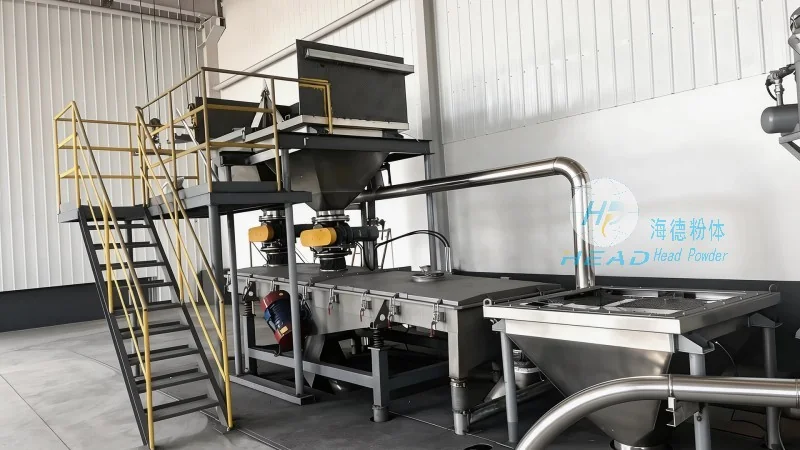
For example, screw conveyors are commonly used for horizontal or slight incline transport due to their ability to handle a wide range of particle sizes and their self-feeding capabilities. Belt conveyors, on the other hand, are ideal for longer horizontal distances and can accommodate larger volumes of material. Pneumatic conveying systems, which use air pressure to transport material through pipes, are particularly effective for fine powders and can achieve high transport speeds while maintaining low dust levels.
The control system plays a vital role in managing the conveying process. Modern systems often include programmable logic controllers (PLCs) and sensors that monitor parameters such as flow rate, pressure, and temperature. These systems can automatically adjust conveyor speeds or activate safety mechanisms if an issue is detected, such as a blockage or excessive pressure buildup. This level of automation not only improves operational efficiency but also enhances safety by reducing the risk of human error and material exposure.
Applications and Benefits of Metal Silicon Conveying Lines
Metal silicon material conveying lines are widely used in various industrial applications, including the production of silicon-based alloys, semiconductor materials, and chemical intermediates. The primary benefits of these systems include improved material handling efficiency, reduced labor costs, enhanced safety through dust control, and increased production throughput. By automating the material transport process, manufacturers can achieve greater consistency in product quality and reduce the risk of contamination or material loss.
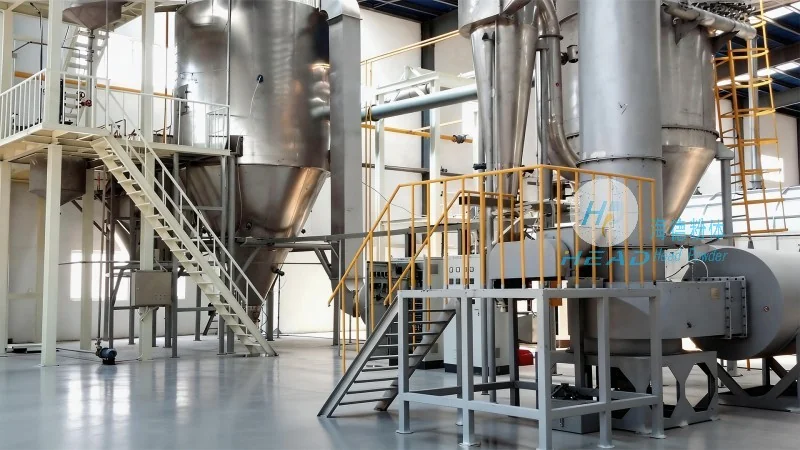
Furthermore, the design flexibility of metal silicon conveying lines allows them to be adapted to different production scales and facility layouts. Whether for small-scale laboratory operations or large-scale industrial production, the system can be customized to meet specific requirements, ensuring that it aligns with the operational needs of the metal silicon processing facility.
Conclusion
In conclusion, a metal silicon material conveying line is a sophisticated and essential component of modern metal silicon production facilities. Its design is guided by principles that prioritize safety, efficiency, and material integrity, incorporating specialized components and control systems to handle the unique properties of metal silicon. At Shandong HeadPowder Engineering Co., Ltd., we specialize in designing and manufacturing these systems to meet the exact needs of our clients, ensuring reliable and effective material handling solutions for the metal silicon industry.