

What is a Desulfurizer Material Conveying Line? And What Are Its Design Principles?
Desulfurizer material conveying lines are specialized industrial systems engineered to transport and handle desulfurizer materials, which are crucial components in flue gas desulfurization (FGD) processes within power plants and other industrial facilities. These systems play a vital role in ensuring the efficient and safe delivery of desulfurizer powders or slurries from storage silos to the reaction points in FGD systems. Understanding the design principles behind such conveying lines is essential for optimizing performance, minimizing operational risks, and maintaining compliance with environmental regulations.
Key Components and Design Considerations for Desulfurizer Material Conveying Lines
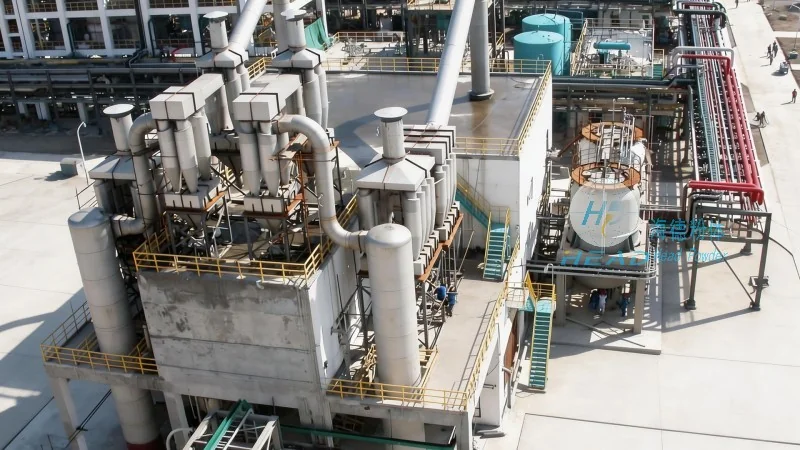
The design of a desulfurizer material conveying line involves several critical components and considerations tailored to the specific characteristics of the desulfurizer material, such as its particle size, moisture content, and flowability. Key components typically include bulk material feeders, conveyor belts or screw conveyors, pneumatic conveying systems, and control systems. The selection of these components is based on factors like the material's properties, the required conveying capacity, and the distance between the storage and reaction points. For example, if the desulfurizer is a fine powder with high moisture content, a pneumatic conveying system might be preferred to prevent clogging and ensure consistent flow. Conversely, if the material is a bulk solid with low moisture, a mechanical conveyor like a belt or screw conveyor could be more suitable. The design also incorporates safety features, such as dust collection systems and explosion-proof components, to mitigate risks associated with handling potentially hazardous materials.
How Desulfurizer Material Conveying Lines Work: A Step-by-Step Overview
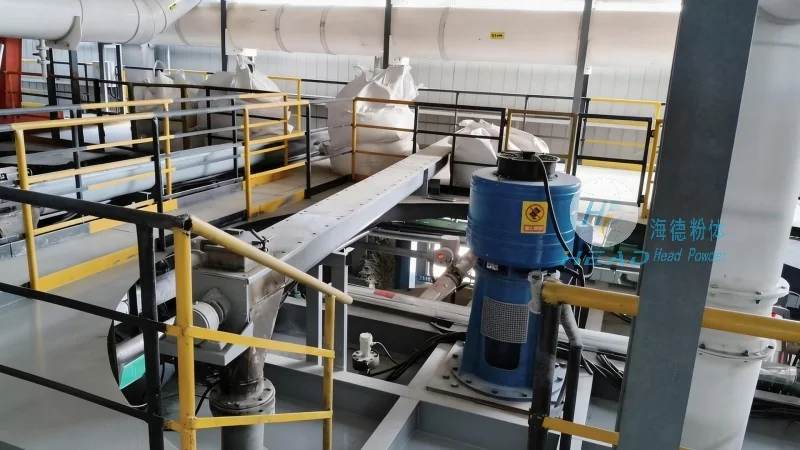
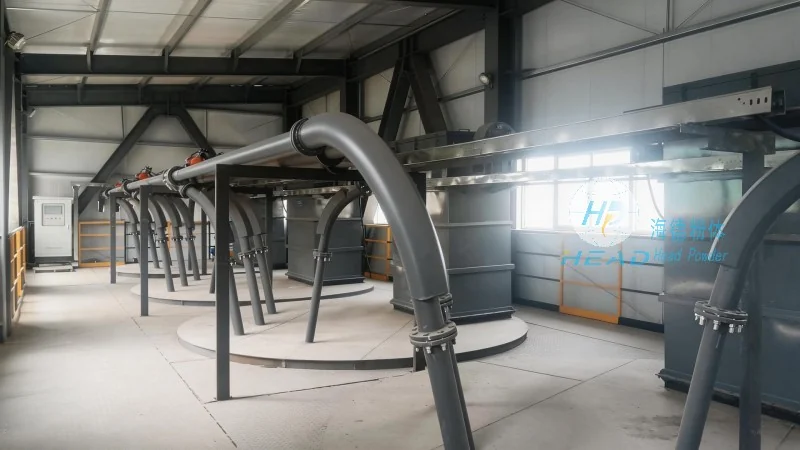
The operation of a desulfurizer material conveying line typically follows a sequential process to ensure efficient material transfer. First, the desulfurizer material is stored in a silo or hopper. From there, a feeder mechanism, such as a rotary valve or a vibratory feeder, regulates the flow of material into the conveying system. The material is then transported through the conveyor, which may be a belt conveyor, screw conveyor, or pneumatic pipeline, depending on the system design. In pneumatic conveying systems, the material is suspended in a stream of air and transported through pipes to the destination. The conveying line is equipped with sensors and control devices to monitor flow rates, pressure, and material levels, allowing for real-time adjustments to maintain optimal performance. At the end of the line, the material is discharged into the FGD reaction tower or other processing equipment, where it reacts with flue gases to remove sulfur dioxide (SO2) and other pollutants. The entire process is designed to be continuous and automated, minimizing human intervention and reducing the risk of errors or accidents.
Design Principles for Efficient and Reliable Desulfurizer Material Conveying
Effective design of desulfurizer material conveying lines focuses on several key principles to ensure reliability, efficiency, and safety. One primary principle is the consideration of material properties, as different desulfurizer formulations may require different handling methods. For instance, some desulfurizers are highly abrasive, necessitating the use of wear-resistant materials for conveyor components to extend their lifespan. Another principle is the optimization of flow rates and pressure, as excessive pressure can lead to material degradation or equipment damage, while insufficient pressure may cause clogging or reduced throughput. The design also emphasizes the integration of dust control measures, such as baghouses or cyclone separators, to prevent airborne emissions and protect both the environment and personnel. Additionally, the system is designed with redundancy and fail-safe mechanisms to ensure continuous operation even in the event of a component failure. This includes backup power supplies, alternative conveying paths, and automated shutdown systems that activate in case of abnormal conditions, such as excessive pressure or temperature.
HeadPowder Engineering: Experts in Desulfurizer Material Conveying Solutions
Shandong HeadPowder Engineering Co., Ltd. is a leading provider of customized desulfurizer material conveying lines, leveraging decades of experience in industrial engineering and environmental technology. The company specializes in designing and manufacturing systems tailored to the unique needs of power plants and industrial facilities, ensuring that each solution is optimized for performance, safety, and cost-effectiveness. HeadPowder's team of engineers works closely with clients to understand their specific requirements, including material characteristics, conveying distances, and operational constraints, to develop a comprehensive design that meets all technical and regulatory standards. The company's products are built with high-quality materials and advanced technology, incorporating features like variable speed drives, intelligent control systems, and real-time monitoring to enhance operational efficiency and reduce maintenance costs. With a commitment to innovation and customer satisfaction, HeadPowder Engineering has established itself as a trusted partner in the development of efficient and reliable desulfurizer material handling systems.