

What is an Alumina Powder Material Handling Line? And What Are Its Design Principles?
Alumina powder, a critical material in various industrial applications, requires specialized handling systems to ensure efficient and safe transportation. The alumina powder material handling line is a comprehensive solution designed by Shandong HeadPowder Engineering Co., Ltd. to manage the unique properties of this powder, such as its fine particle size, dustiness, and flow characteristics. This article explores the fundamental aspects of such a system, including its design principles and key components.
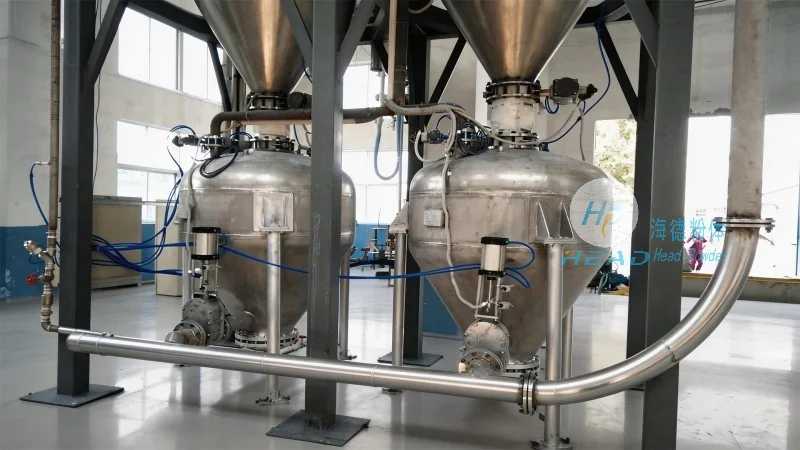
Introduction to Alumina Powder Material Handling Lines
Alumina powder, primarily composed of aluminum oxide (Al₂O₃), is widely used in industries like ceramics, refractories, and chemical manufacturing. Due to its fine particle size and tendency to generate dust, conventional handling methods may lead to inefficiencies, safety hazards, and material loss. The alumina powder material handling line addresses these challenges by integrating advanced technologies and engineering principles to facilitate the seamless transfer of the powder from storage to processing units.
Design Principles of the Material Handling Line
The design of an alumina powder material handling line is guided by several critical principles aimed at optimizing performance, safety, and operational efficiency. First, the system must accommodate the physical and chemical properties of alumina powder, including its particle size distribution, moisture content, and potential reactivity. This involves selecting appropriate equipment that can handle fine powders without causing blockages or degradation. Second, the design emphasizes dust control and environmental compliance, as alumina powder is a fine particulate that can pose health risks and environmental concerns if not managed properly. Third, the system is engineered for scalability and adaptability, allowing it to integrate with existing industrial processes or expand to meet growing production demands.
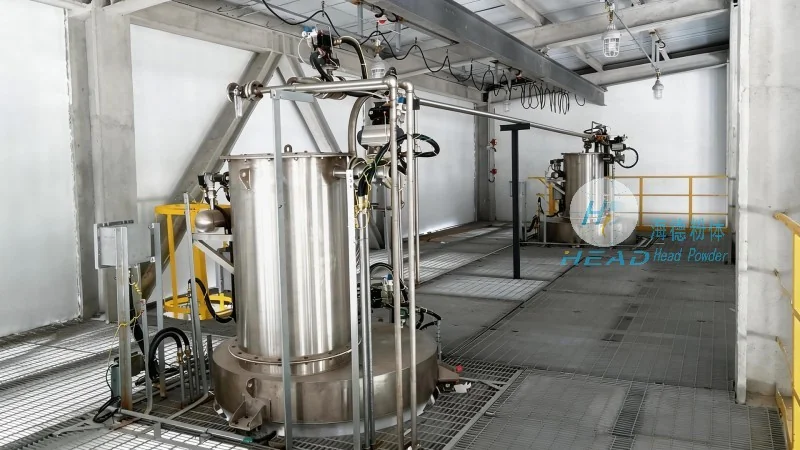
Key Components and Their Functions
The alumina powder material handling line typically consists of several interconnected components, each playing a vital role in the overall operation. The primary components include:
- Feeding System: This component is responsible for transferring alumina powder from storage silos or hoppers to the main conveyor. Common feeding methods include rotary valves, star feeders, or screw feeders, which ensure a consistent and controlled flow of material.
- Conveying System: The core of the material handling line, the conveying system transports the alumina powder from the feeding point to the discharge point. For alumina powder, pneumatic (air-assisted) conveying is often preferred due to its ability to handle fine powders over long distances with minimal particle degradation. This system typically includes a blower, ductwork, and cyclone separators to separate the powder from the air stream.
- Storage and Discharge Systems: The system may include intermediate storage silos or bulk containers to buffer the flow of alumina powder. The discharge system ensures that the powder is released into the processing equipment (such as reactors or mixers) in a controlled manner, preventing spillage and maintaining process stability.
- Control and Monitoring Systems: Modern alumina powder material handling lines are equipped with advanced control systems that monitor parameters such as flow rate, pressure, and temperature. These systems use sensors and automation controls to adjust the operation of the equipment in real-time, ensuring optimal performance and preventing equipment damage or material loss.
Engineering Considerations for Alumina Powder Handling
When designing an alumina powder material handling line, engineers must consider several factors to ensure the system operates effectively and safely. One of the most critical considerations is the prevention of material buildup and blockages, which can occur due to the fine particle size and tendency of alumina powder to agglomerate. This is addressed through the use of anti-static materials, proper venting, and regular maintenance schedules. Additionally, the system must be designed to minimize dust emissions, which is achieved through the use of sealed equipment, dust collection systems, and proper ventilation. The choice of materials for the equipment, such as stainless steel or special coatings, is also crucial to prevent corrosion and material contamination.
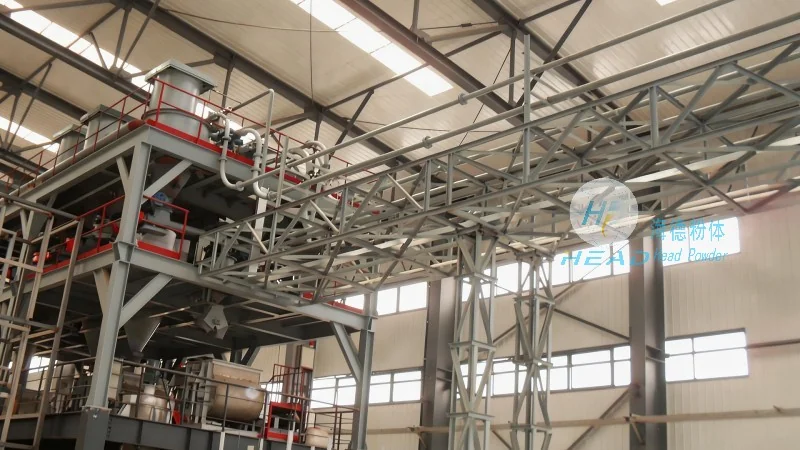
Applications and Benefits
The alumina powder material handling line is widely used in various industrial applications where the efficient and safe handling of fine powders is essential. In the ceramics industry, for example, the line is used to transport alumina powder to kilns and mixers, ensuring consistent quality and reducing material waste. In the chemical manufacturing sector, the system is employed to feed alumina into reactors for the production of aluminum compounds. The benefits of using a specialized material handling line for alumina powder include improved process efficiency, reduced labor costs, enhanced safety, and compliance with environmental regulations.
Conclusion
In summary, the alumina powder material handling line is a sophisticated system designed to address the unique challenges of handling fine, dust-producing materials like alumina powder. By integrating advanced engineering principles and components, this system ensures efficient, safe, and environmentally responsible transportation of the material. The design principles, key components, and engineering considerations outlined in this article highlight the importance of a well-planned material handling solution in optimizing industrial processes and maintaining product quality.