

What is a Lightweight Micropowder Material Conveying Line? What are its Design Principles?
Lightweight micropowder material conveying lines are specialized industrial systems engineered to handle the transportation of fine, lightweight powders with high efficiency and precision. These systems are crucial in various industries, including pharmaceuticals, chemicals, food processing, and cosmetics, where the consistent and clean transfer of such materials is essential for maintaining product quality and operational safety.
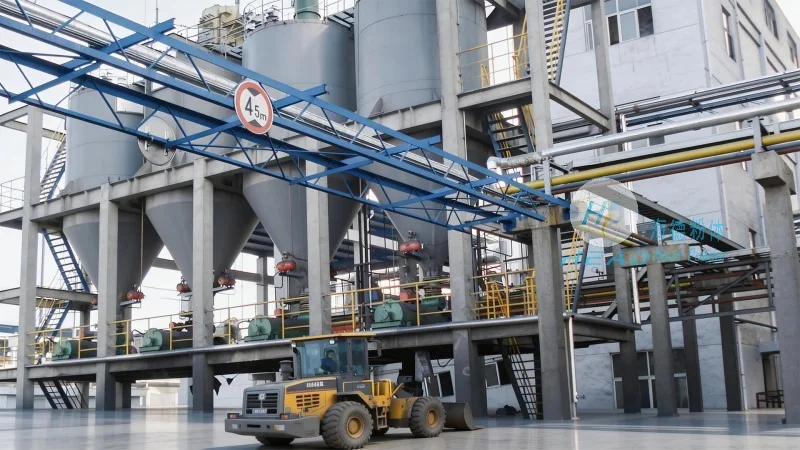
Introduction to Lightweight Micropowder Material Conveying Lines
At the core of these systems is the ability to move powders that are often less dense and more prone to issues like dust generation and material degradation. The design of a lightweight micropowder conveying line must address these challenges through innovative engineering solutions. The primary goal is to ensure that the material is transported without degradation, contamination, or loss, while maintaining a safe and efficient operation.
About HeadPowder: A Leading Provider in Material Handling Solutions
Shandong HeadPowder Engineering Co., Ltd., commonly known as HeadPowder, is a reputable company based in China specializing in the design, manufacturing, and integration of advanced material handling systems. With a strong focus on innovation and customer-centric solutions, HeadPowder has established itself as a trusted partner for industries requiring reliable and efficient conveying solutions for lightweight micropowders. The company’s expertise lies in understanding the unique challenges of handling fine powders and developing tailored systems that meet the specific needs of each client.
Design Principles of Lightweight Micropowder Conveying Lines
The design of a lightweight micropowder conveying line involves several critical principles aimed at optimizing performance and reliability. One of the key considerations is the selection of appropriate components that minimize material degradation and ensure a smooth flow. This includes the use of specialized pumps, such as rotary lobe pumps or air-operated double-diaphragm (AODD) pumps, which are well-suited for handling fine powders without clogging or damaging the particles. The system also incorporates features like airlocks and dust collection units to maintain a clean and safe environment, preventing dust emissions and ensuring compliance with environmental regulations.
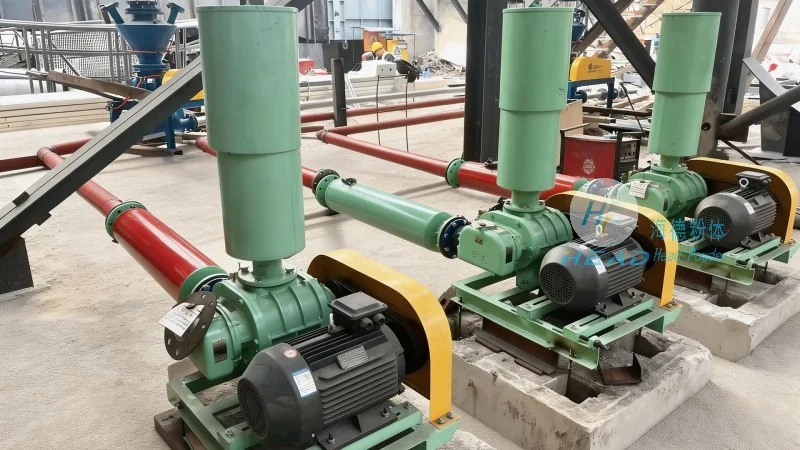
Another crucial aspect is the control of air pressure and flow rates. The conveying line is designed to operate under controlled pressure, typically using positive displacement or pneumatic systems, to ensure consistent material movement. The use of flexible hoses and smooth, non-stick surfaces in the pipeline helps to prevent material buildup and maintain a consistent flow rate. Additionally, the integration of sensors and monitoring systems allows for real-time tracking of the material's status, enabling operators to adjust the system parameters as needed to optimize performance and prevent issues like blockages or overloading.
Key Components and Their Functions
A lightweight micropowder conveying line typically consists of several key components, each playing a vital role in the overall operation. The system begins with a hopper or storage container where the material is initially held. From there, the material is fed into a pump or conveyor system, which moves it through the pipeline. The pipeline itself is often made of materials like stainless steel or food-grade plastics to ensure durability and resistance to corrosion or contamination. Airlocks are used at the inlet and outlet of the system to prevent backflow and maintain a consistent pressure, while dust collection units capture any particles that may escape, ensuring a clean working environment.
The control panel is another essential component, allowing operators to monitor and adjust the system's parameters, such as flow rate, pressure, and speed. This ensures that the system operates within optimal conditions, preventing damage to the material or equipment. The design also considers the need for easy maintenance and cleaning, with components that can be easily disassembled and cleaned to maintain hygiene standards, which is particularly important in industries like pharmaceuticals and food processing.
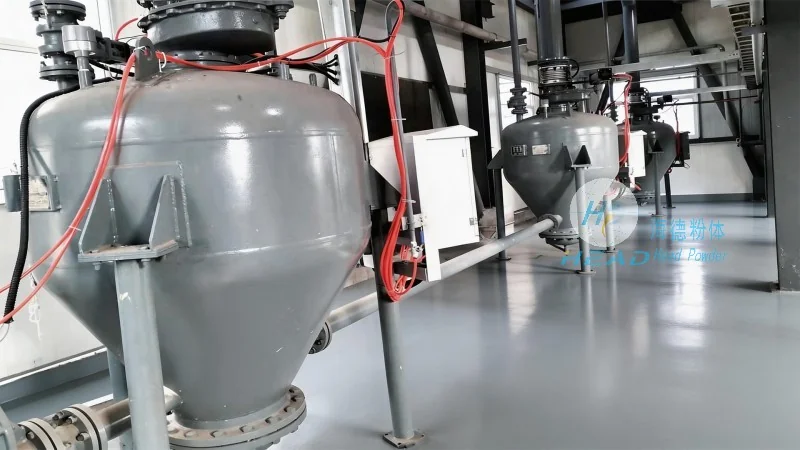
Advantages of Using Lightweight Micropowder Conveying Lines
Implementing a lightweight micropowder conveying line offers several advantages for businesses. Firstly, it enhances operational efficiency by reducing downtime and improving the speed of material transfer. The system's ability to handle fine powders without degradation ensures that the final product quality is maintained, which is critical in industries where product consistency is paramount. Additionally, the use of advanced control systems allows for precise monitoring and adjustment, minimizing the risk of errors and improving overall process reliability.
Another significant advantage is the improved safety and environmental compliance. The system's design, including dust collection units and controlled pressure, reduces the risk of dust explosions and ensures that the working environment is safe for employees. This not only protects the workforce but also helps businesses comply with environmental regulations, avoiding potential fines or legal issues. Furthermore, the efficient handling of materials reduces waste and improves overall resource utilization, contributing to cost savings and sustainability.
Conclusion
Lightweight micropowder material conveying lines are sophisticated systems that combine advanced engineering with practical design to address the unique challenges of handling fine, lightweight powders. By understanding the design principles and key components involved, industries can leverage these systems to improve operational efficiency, maintain product quality, and ensure a safe working environment. As a leading provider in this field, Shandong HeadPowder Engineering Co., Ltd. continues to innovate and provide tailored solutions that meet the evolving needs of their clients, helping businesses achieve their operational goals with reliability and precision.