

What is a Calcium Carbide Powder Material Handling System? What are its Design Principles?
For industrial applications that involve the handling and transportation of calcium carbide powder, a specialized material handling system is essential. This system is designed to ensure efficient, safe, and reliable operation in environments where such powders are processed. The following discussion will explore the components and design principles of such a system, providing insights into how it meets the unique challenges of calcium carbide powder handling.
About HeadPowder: Experts in Material Handling Solutions
HeadPowder, or Shandong HeadPowder Engineering Co., Ltd., is a leading provider of engineering solutions tailored to the needs of industries dealing with hazardous or challenging materials. With a focus on innovation and safety, the company has developed advanced material handling systems that address the specific requirements of calcium carbide powder processing. Based in Shandong, China, HeadPowder leverages local expertise and manufacturing capabilities to deliver high-quality, reliable equipment for its clients.
Design Principles for Calcium Carbide Powder Material Handling Systems
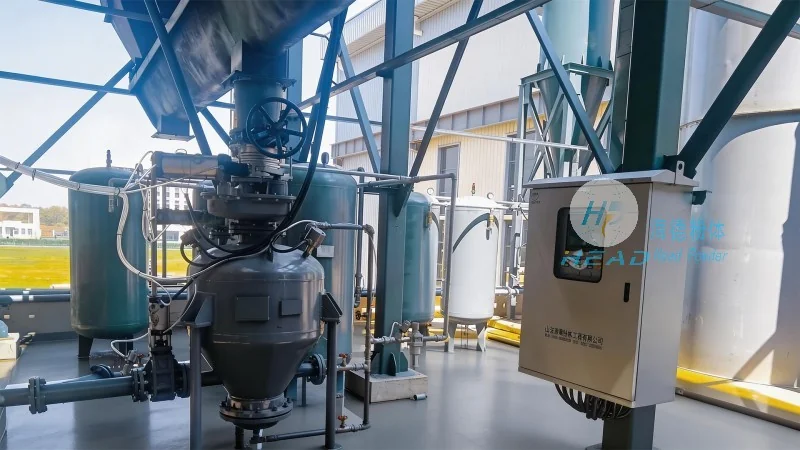
The design of a calcium carbide powder material handling system is guided by several key principles to ensure optimal performance and safety. First, the system must be constructed from materials that are resistant to chemical corrosion and wear, as calcium carbide is a reactive substance that can degrade certain metals and components over time. Common materials used in the construction of such systems include stainless steel, special alloys, and corrosion-resistant plastics. Second, the system must incorporate effective dust control measures, as calcium carbide powder is fine and can create hazardous dust clouds if not properly contained. This includes the use of sealed hoppers, enclosed conveyor systems, and efficient dust collection equipment. Third, the system must prioritize safety features to protect operators from the risks associated with handling reactive powders, such as explosion-proof components, emergency shut-off mechanisms, and proper ventilation systems.
Key Components of a Calcium Carbide Powder Material Handling System
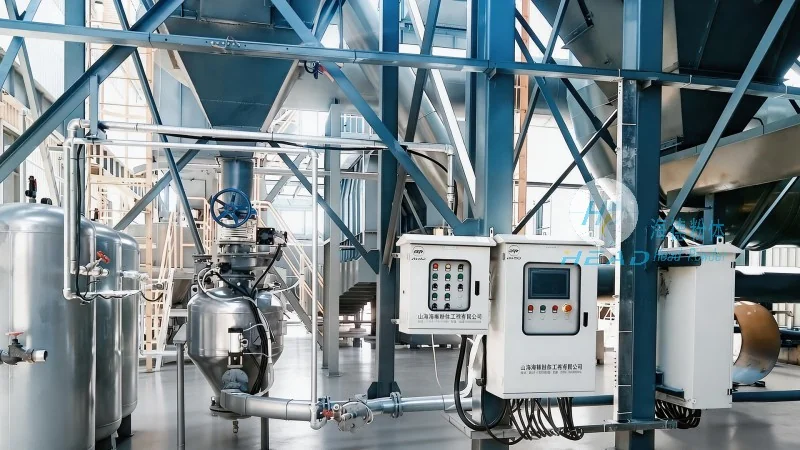
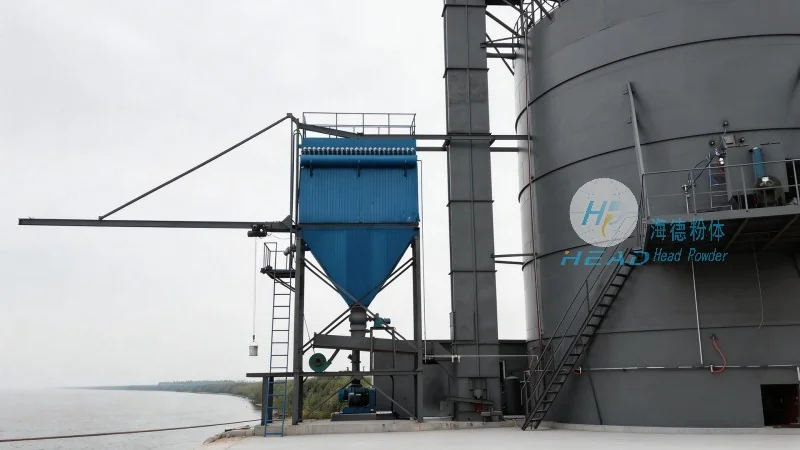
A typical calcium carbide powder material handling system consists of several interconnected components that work together to move the material from storage to processing or packaging. The primary components include a storage silo or hopper, a feeding device (such as a rotary valve or screw feeder), a conveyor system (often a pneumatic or mechanical conveyor), and a discharge mechanism. The storage silo is designed to hold large quantities of calcium carbide powder while minimizing the risk of spontaneous combustion or dust accumulation. The feeding device regulates the flow of powder from the silo to the conveyor, ensuring a consistent and controlled rate of material transfer. The conveyor system transports the powder to the processing area, with options including belt conveyors, bucket elevators, or pneumatic conveying lines. The discharge mechanism then delivers the powder to the next stage of the process, such as a mixer or packaging machine. Each component is carefully selected and integrated to ensure seamless operation and minimal downtime.
Advantages of Using a Specialized Material Handling System for Calcium Carbide Powder
Implementing a dedicated material handling system for calcium carbide powder offers numerous advantages over traditional methods, such as manual handling or basic bulk transport. First, the system significantly improves operational efficiency by automating the process of material transfer, reducing labor costs and minimizing the risk of human error. Second, it enhances safety by containing the powder and preventing exposure to reactive dust or fumes, which can be harmful to operators and the environment. Third, the system increases reliability by reducing downtime caused by material blockages or equipment failure, as each component is designed to withstand the challenges of calcium carbide powder handling. Additionally, the system can be customized to meet the specific needs of a facility, including varying production volumes, storage capacities, and processing requirements. This flexibility ensures that the system can adapt to changing operational conditions and maintain optimal performance over time.
Conclusion: Trust HeadPowder for Your Calcium Carbide Powder Handling Needs
For industries that rely on calcium carbide powder in their operations, a well-designed material handling system is critical to ensuring safety, efficiency, and productivity. HeadPowder, with its expertise in engineering and manufacturing, provides comprehensive solutions that address the unique challenges of handling this reactive material. By adhering to the design principles outlined above and leveraging advanced materials and technology, HeadPowder's systems deliver reliable performance and long-term value to its clients. Whether you are looking to upgrade an existing system or design a new facility, HeadPowder is committed to providing tailored solutions that meet your specific requirements and help you achieve your operational goals.