

What is an Iron Oxide Material Handling System? And What Are Its Design Principles?
Iron oxide material handling systems are specialized industrial solutions designed to transport and manage iron oxide powders and related materials efficiently. These systems are crucial in various industries, including pigments, coatings, and pharmaceuticals, where the handling of fine, potentially abrasive materials requires precision and reliability. Understanding the components and design principles of such systems is essential for optimizing material flow, ensuring product quality, and enhancing operational safety.
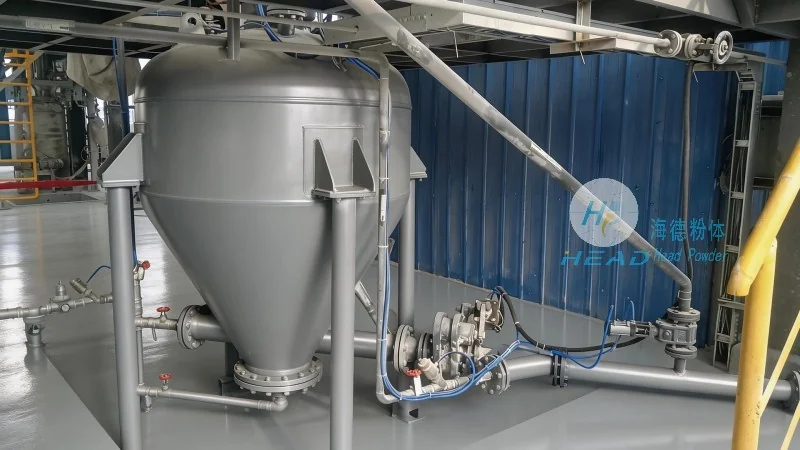
Key Components of an Iron Oxide Material Handling System
An iron oxide material handling system typically consists of several interconnected components that work together to achieve seamless material transport. The primary elements include feeders, conveyors, storage silos, and control systems. Feeders, such as rotary or vibratory types, are used to regulate the flow of iron oxide from storage containers or bulk bags. Conveyors, which may be pneumatic or mechanical, transport the material through the system, often over long distances or to different processing stages. Storage silos are critical for bulk storage, providing a controlled environment to prevent material degradation and maintain consistent quality. Control systems, including sensors and automation software, monitor and adjust the flow rates, ensuring the system operates within optimal parameters.
Design Principles for Optimal Performance
The design of an iron oxide material handling system follows several key principles to ensure efficiency, safety, and durability. First, the system must be designed to handle the specific properties of iron oxide, such as its fine particle size, potential for dust generation, and abrasive nature. This involves selecting materials for components that can withstand wear and corrosion, such as stainless steel or specialized coatings. Second, the system should minimize material degradation and contamination. This is achieved through proper sealing, dust collection systems, and cleanable components. Third, energy efficiency is a critical design consideration, as iron oxide handling systems often operate continuously. Designers aim to reduce energy consumption through optimized conveyor speeds, efficient motor control, and minimal friction in moving parts. Finally, safety is paramount, with features like emergency stop buttons, dust suppression systems, and proper ventilation to protect operators and the environment.
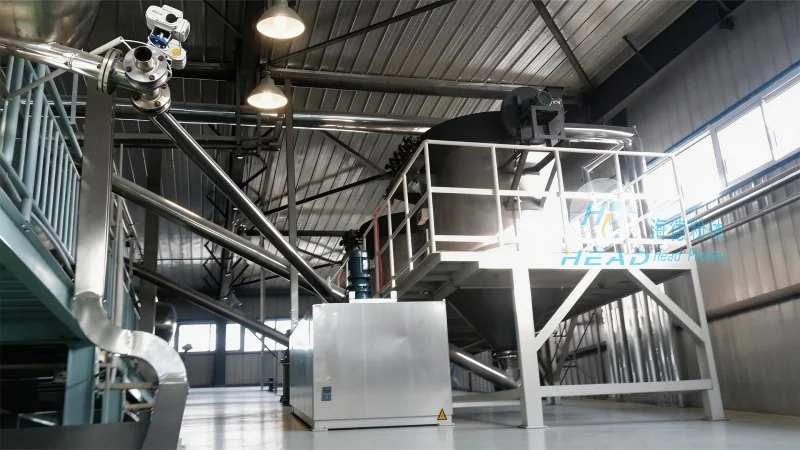
Role of Material Properties in System Design
The physical and chemical properties of iron oxide significantly influence the design of the material handling system. Iron oxide powders are often fine and can create dust, which requires dust collection and filtration systems to comply with environmental regulations and maintain workplace safety. The abrasive nature of iron oxide means that components like hoppers, chutes, and conveyors must be constructed from durable materials to prevent wear and extend service life. Additionally, the density and flow characteristics of iron oxide affect the selection of feeders and conveyors. For example, a vibratory feeder may be more suitable for handling cohesive or low-flowing materials, while a rotary valve might be better for free-flowing powders. Understanding these properties allows engineers to tailor the system design to the specific needs of the application.
Integration with Processing Facilities
An iron oxide material handling system is often integrated with larger processing facilities, such as pigment production lines or coating plants. The system must be designed to interface seamlessly with upstream and downstream equipment, ensuring a continuous material flow. This integration involves matching the system's output capacity with the processing rate of the plant, as well as coordinating with other systems like mixing or drying units. Proper integration also includes considerations for material transfer, such as using flexible hoses or rigid pipelines to connect different components. The goal is to create a cohesive system where the material handling process supports the overall production goals without causing bottlenecks or inefficiencies.
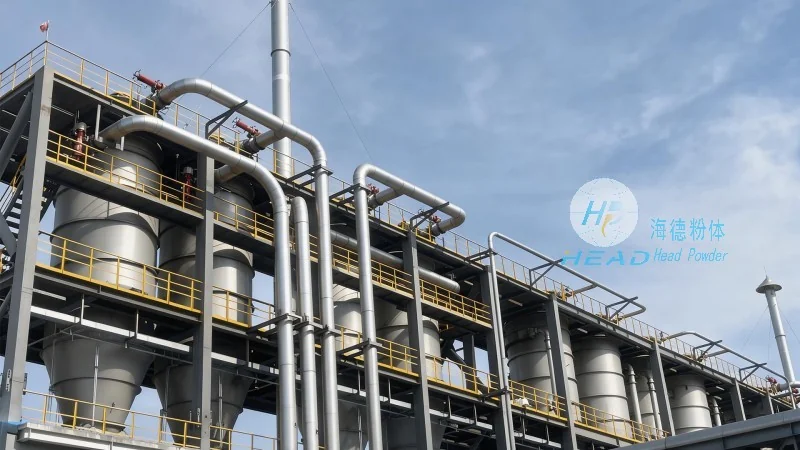
Maintenance and Operational Considerations
Proper maintenance is essential to ensure the long-term performance and reliability of an iron oxide material handling system. Regular maintenance tasks include cleaning and inspecting components for wear, checking for leaks or blockages, and replacing worn parts. The system should be designed with easy access to components for maintenance, reducing downtime and maintenance costs. Operational considerations also include monitoring system performance through sensors and data logging, which can help identify potential issues before they become major problems. Additionally, training operators on the proper use and maintenance of the system is crucial for ensuring safe and efficient operation. By following these practices, companies can maximize the lifespan of their material handling systems and maintain consistent product quality.
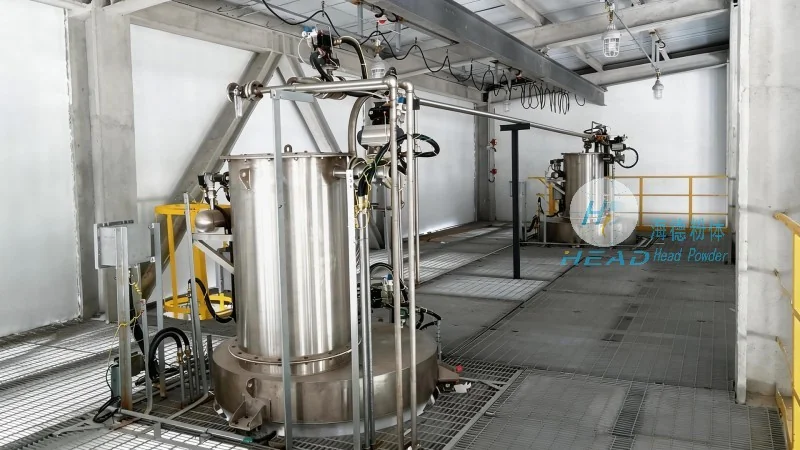
Case Study: Application in the Pigment Industry
For example, in the pigment industry, iron oxide material handling systems are used to transport and blend different types of iron oxide pigments, such as red, yellow, and black. The system must be capable of handling these pigments in varying proportions and ensuring a uniform blend. The design includes precise feeders to control the flow of each pigment, conveyors to transport the blended material to storage or processing units, and control systems to monitor the blending ratios. This application highlights the importance of accurate material handling in achieving consistent product color and quality, which is critical in the competitive pigment market.
Conclusion
In summary, an iron oxide material handling system is a sophisticated industrial solution that combines specialized components and design principles to efficiently transport and manage iron oxide materials. The system's design must consider the unique properties of iron oxide, including its fine particle size, abrasive nature, and potential for dust generation. By integrating proper feeders, conveyors, storage, and control systems, along with adherence to safety and maintenance protocols, companies can achieve optimal performance, product quality, and operational efficiency. The expertise of companies like Shandong HeadPowder Engineering Co., Ltd., based in China, plays a vital role in designing and implementing such systems, ensuring they meet the specific needs of various industrial applications.