

What is a Calcium Chloride Material Handling System? And What Are Its Design Principles?
Calcium chloride (CaCl₂) is a widely used chemical compound in various industries, including construction, de-icing, and food processing. Efficient handling and transportation of calcium chloride are crucial for maintaining operational efficiency and ensuring product quality. A well-designed calcium chloride material handling system is essential to meet these demands, integrating specialized equipment and engineering principles to manage the material's properties and flow characteristics.
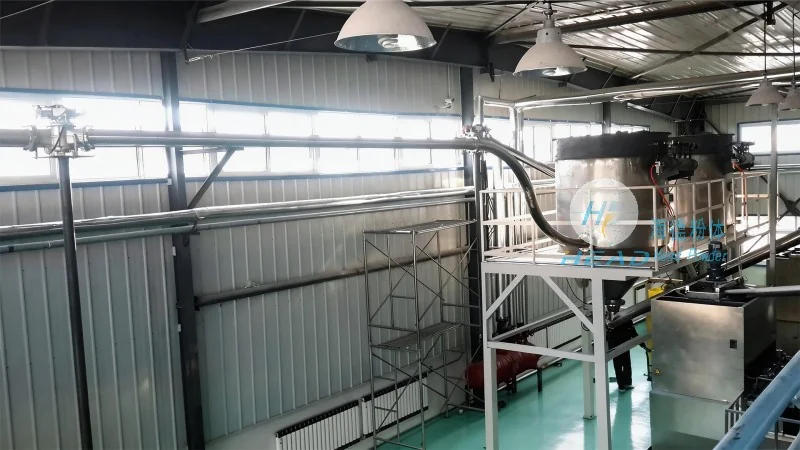
Key Components of a Calcium Chloride Material Handling System
A typical calcium chloride material handling system comprises several key components that work in tandem to ensure smooth operation. These components include:
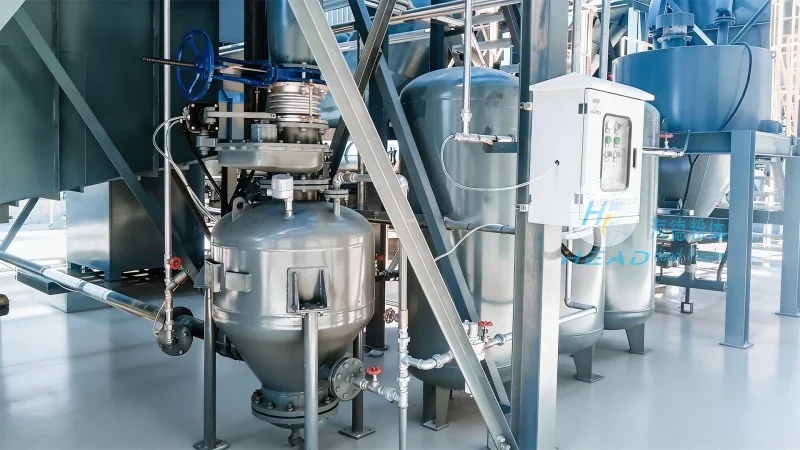
- Hopper and Storage Silo: Used for storing bulk calcium chloride, these structures are designed to handle the material's hygroscopic nature and prevent caking or moisture absorption.
- Conveying Equipment: Such as screw conveyors, belt conveyors, or pneumatic systems, which transport calcium chloride from storage to processing or packaging areas. The choice of equipment depends on the material's flowability and the system's capacity requirements.
- Dust Control Systems: Calcium chloride can generate dust during handling, which poses health and safety risks. Therefore, dust suppression systems, including hoods, filters, and wet scrubbers, are integrated to maintain a safe working environment.
- Metering and Dosing Equipment: Used to control the precise amount of calcium chloride for applications like de-icing or chemical processing, ensuring accuracy and consistency.
- Piping and Valves: Specialized piping and valves are used to handle the material's corrosive properties, often made from materials like stainless steel or polyethylene to prevent degradation.
Design Principles for Efficient Calcium Chloride Transport
The design of a calcium chloride material handling system follows several key principles to ensure efficiency, safety, and durability:
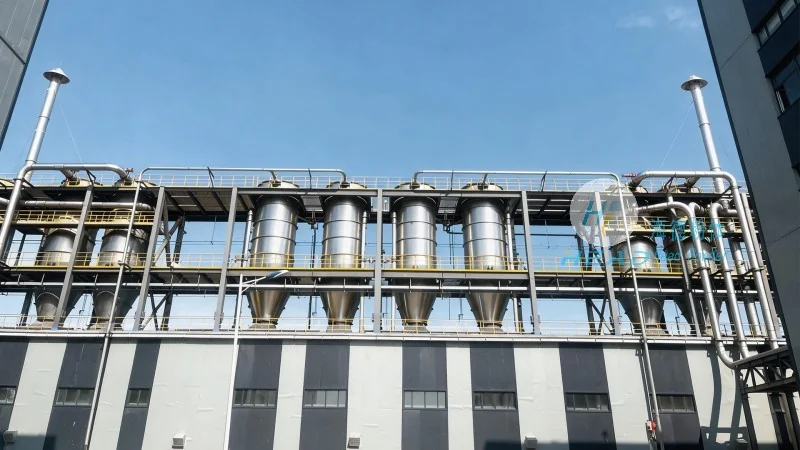
- Material Compatibility: All components must be compatible with calcium chloride's chemical properties to prevent corrosion or degradation. This includes selecting appropriate materials for hoppers, conveyors, and piping.
- Flow Control: Proper design of hoppers and chutes is essential to prevent material bridging, rat-holing, or segregation. This involves using smooth surfaces, appropriate angles, and sometimes vibrators or air knives to maintain consistent flow.
- Dust Management: Effective dust control is critical to protect workers and the environment. This includes using enclosed systems, local exhaust ventilation, and filtration to capture and remove dust particles.
- Safety and Maintenance: The system must incorporate safety features, such as emergency stops, lockout/tagout procedures, and regular maintenance schedules to ensure long-term reliability and prevent accidents.
- Scalability: The design should allow for future expansion or integration with other processes, ensuring the system can adapt to changing production needs.
Application Scenarios and Benefits
Calcium chloride material handling systems are used in various applications, offering several benefits:
- Construction Industry: Used as a de-icing agent and in concrete production to accelerate setting time and improve strength.
- Food Industry: Used as a food additive to enhance flavor and texture in products like ice cream and baked goods.
- Water Treatment: Used to adjust pH levels and improve water quality in industrial and municipal applications.
- Industrial Processing: Used in chemical reactions and as a desiccant in various manufacturing processes.
These systems provide several advantages, including:
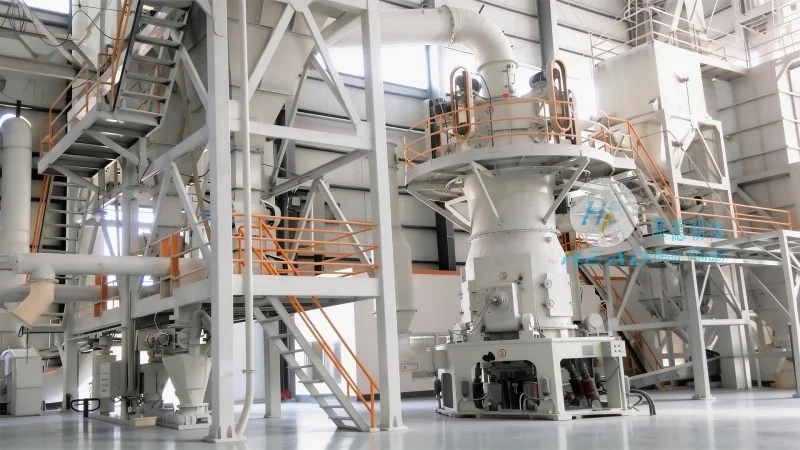
- Increased Productivity: Efficient transport and handling reduce downtime and improve overall production rates.
- Improved Safety: Proper dust control and safety features minimize health risks and workplace accidents.
- Cost Savings: Reduced material loss, lower maintenance costs, and optimized energy usage lead to long-term cost savings.
- Environmental Compliance: Effective dust management and material handling practices help meet environmental regulations and reduce the impact on the environment.
Company Profile: Shandong HeadPowder Engineering Co., Ltd.
Shandong HeadPowder Engineering Co., Ltd. is a leading manufacturer and supplier of specialized material handling systems, including calcium chloride handling solutions. With a strong focus on engineering excellence and customer satisfaction, the company provides customized solutions tailored to the specific needs of its clients. HeadPowder's systems are designed to meet the highest standards of efficiency, safety, and durability, ensuring reliable performance in demanding industrial environments. The company's headquarters is located in Shandong, China, where it leverages advanced technology and experienced engineering teams to deliver innovative solutions for the global market.