

What is a Lithium Cobalt Oxide Material Handling System? And What Are Its Design Principles?
Lithium cobalt oxide (LiCoO₂) is a vital component in the production of lithium-ion batteries, widely used in portable electronics, electric vehicles, and energy storage systems. The efficient handling and processing of this material are critical to ensuring the quality and performance of the final battery products. A lithium cobalt oxide material handling system is a specialized setup designed to manage the transportation, storage, and processing of LiCoO₂ powders and related materials. These systems are engineered to meet the stringent requirements of the battery manufacturing industry, focusing on safety, precision, and operational efficiency.
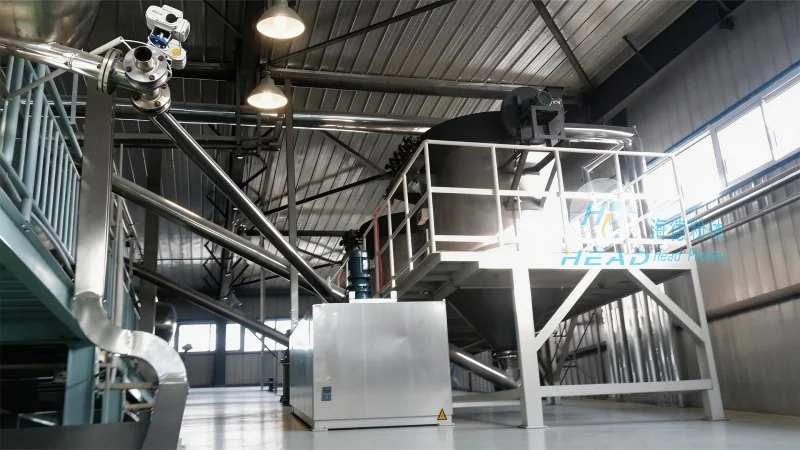
About HeadPowder: Engineering Excellence in Material Handling
HeadPowder, formally known as Shandong HeadPowder Engineering Co., Ltd., is a leading engineering company headquartered in Shandong, China. With years of experience in the battery materials processing sector, HeadPowder specializes in developing and manufacturing advanced material handling systems tailored to the needs of clients in the battery industry. The company’s commitment to innovation and quality has positioned it as a trusted partner for businesses seeking reliable solutions for handling lithium cobalt oxide and other battery materials. HeadPowder’s team of engineers and technicians work closely with clients to understand their specific requirements, ensuring that the final system is optimized for performance, safety, and cost-effectiveness.
Key Design Principles for Lithium Cobalt Oxide Material Handling Systems
The design of a lithium cobalt oxide material handling system is guided by several fundamental principles that address the unique challenges of handling this material. First, safety is paramount due to the potential hazards associated with LiCoO₂ powders, such as dust explosions and respiratory risks. Therefore, the system incorporates robust safety features, including explosion-proof components, dust collection systems, and proper ventilation to maintain a safe working environment. Second, the system must ensure minimal material loss and contamination. This is achieved through the use of sealed containers, precise feeding mechanisms, and enclosed conveying systems that prevent exposure to air and moisture, which can degrade the material’s quality. Third, efficiency and throughput are critical for meeting production demands. The design incorporates automated controls, real-time monitoring, and optimized flow paths to maximize material handling speed while maintaining precision. Additionally, the system is designed for easy maintenance and scalability, allowing it to adapt to changing production needs over time.
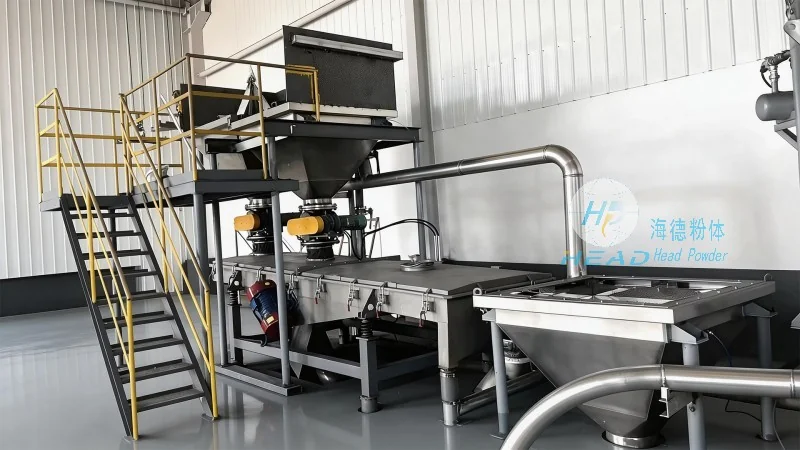
Core Components and Functionality of the Material Handling System
A typical lithium cobalt oxide material handling system consists of several key components that work in tandem to ensure smooth operation. The primary components include material storage silos or hoppers, feeding equipment (such as rotary valves or screw conveyors), conveying systems (like pneumatic or mechanical conveyors), mixing or blending equipment, and processing units. Each component is carefully selected and integrated to ensure seamless material flow from storage to processing. The feeding equipment is designed to deliver a consistent and controlled flow of LiCoO₂, preventing blockages and ensuring uniform material distribution. The conveying systems transport the material from one stage to another, often using air or mechanical means to maintain the material’s integrity. Mixing or blending equipment may be included to combine LiCoO₂ with other battery materials, such as graphite or conductive additives, to achieve the desired chemical composition. The processing units, such as ball mills or dryers, further refine the material to meet the specifications required for battery production.
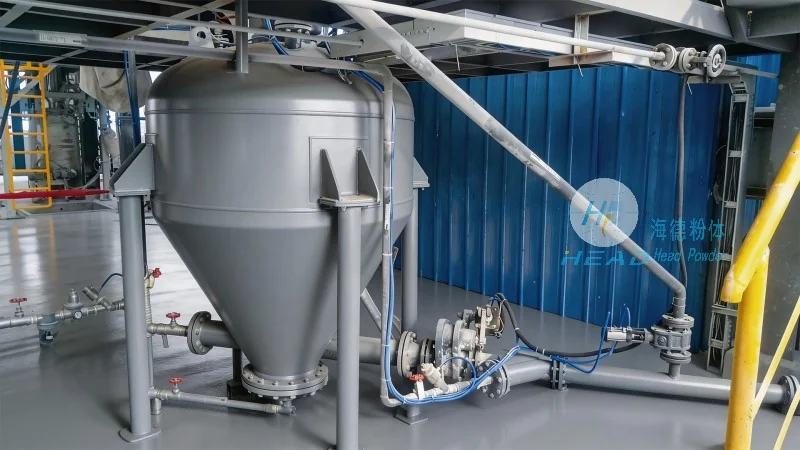
Benefits of Implementing a Lithium Cobalt Oxide Material Handling System
Adopting a specialized lithium cobalt oxide material handling system offers numerous benefits for battery manufacturers. Firstly, it enhances safety by reducing the risk of dust explosions and exposure to harmful particles, creating a healthier work environment. Secondly, it improves material quality by minimizing contamination and maintaining consistent particle size and moisture content, which directly impacts the performance of the final battery. Thirdly, it boosts operational efficiency by automating material handling processes, reducing labor costs, and increasing production throughput. Additionally, the system’s scalability allows manufacturers to expand their production capacity as demand grows, without significant changes to the existing infrastructure. By investing in a well-designed material handling system, companies can achieve higher productivity, lower operational costs, and better product quality, ultimately gaining a competitive edge in the battery market.
Conclusion: The Importance of Specialized Material Handling for Lithium Cobalt Oxide
In conclusion, a lithium cobalt oxide material handling system is a critical asset for any battery manufacturer dealing with LiCoO₂. The design principles and components of such systems are tailored to address the unique challenges of handling this high-performance material, ensuring safety, efficiency, and precision. Companies like HeadPowder play a vital role in providing these specialized solutions, helping clients optimize their material handling processes and improve overall production performance. As the demand for lithium-ion batteries continues to grow, the importance of reliable and efficient material handling systems will only increase, making it essential for manufacturers to invest in advanced solutions that meet the evolving needs of the industry.