

What is a Zinc Calcine Material Handling System? What Are Its Design Principles?
Zinc calcine, a critical intermediate product in the zinc smelting process, requires efficient and reliable material handling systems to ensure smooth production flow. The zinc calcine material handling system is designed to transport this high-temperature, abrasive material from various processing stages, such as calcination and roasting, to subsequent units like leaching or filtration. This system plays a pivotal role in maintaining the continuity of operations and optimizing the overall efficiency of the zinc production plant.
Key Components and Design Considerations
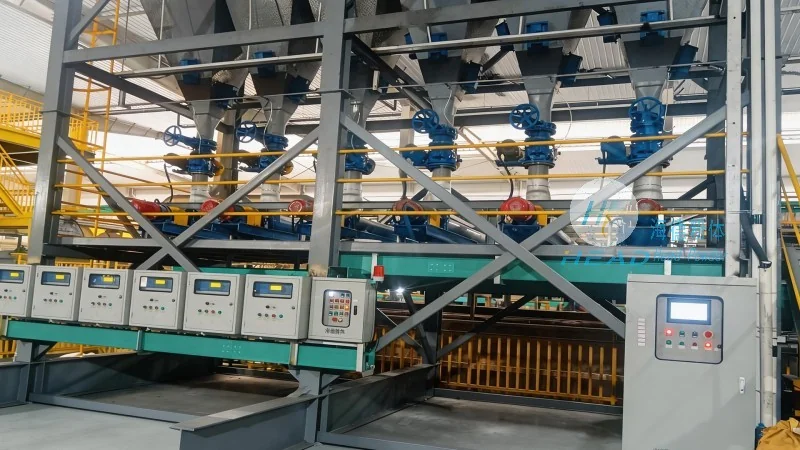
The design of a zinc calcine material handling system involves several key components and considerations tailored to the unique properties of zinc calcine. These properties include high temperature, abrasive nature, and potentially corrosive behavior, which necessitate specialized equipment and materials. The system typically includes feeders, conveyors, and transfer points, all engineered to handle the material's characteristics while minimizing wear and tear on components.
Conveyor systems, such as belt conveyors or screw conveyors, are commonly used in zinc calcine handling due to their ability to transport bulk materials over long distances with minimal maintenance. Belt conveyors, for instance, are preferred for their high capacity and flexibility in handling varying material loads. Screw conveyors, on the other hand, are suitable for vertical or inclined transport, providing precise control over material flow rates. The selection of the appropriate conveyor type depends on factors like the plant layout, material characteristics, and the required throughput.
Process Flow and System Integration
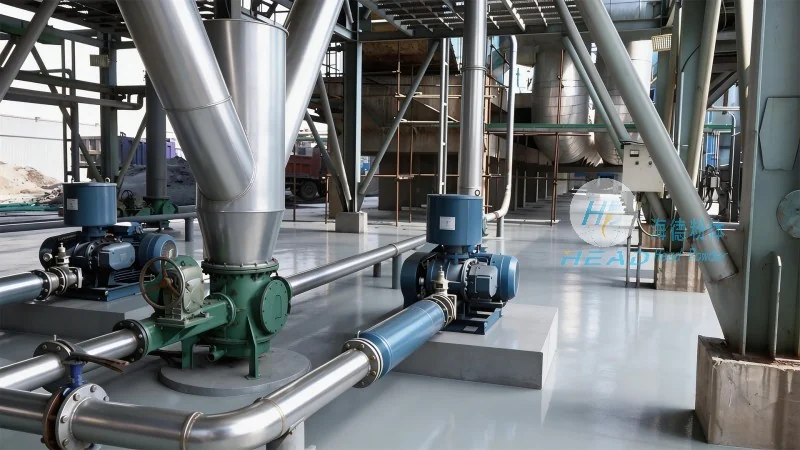
The zinc calcine material handling system is integrated into the broader zinc production process, ensuring seamless material transfer between stages. The process typically begins with the discharge of calcine from the calcination furnace, where it is collected in storage silos or hoppers. From there, the material is conveyed to the leaching unit or other downstream processes. The system must be designed to handle the material's temperature, which can reach several hundred degrees Celsius, and to prevent heat loss or material degradation during transport.
Transfer points and chutes are critical components that facilitate the movement of zinc calcine between different equipment. These components are often lined with wear-resistant materials, such as ceramic or high-strength alloys, to withstand the abrasive nature of the material. The design of transfer points also considers the need for minimal material spillage and efficient flow, as any disruption in the system can lead to production delays or safety hazards.
Material Handling Equipment Selection
Shandong HeadPowder Engineering Co., Ltd., a leading provider of engineering solutions for the mineral processing industry, specializes in designing and manufacturing customized material handling systems for zinc calcine. The company's expertise lies in understanding the specific challenges of handling high-temperature, abrasive materials and developing solutions that meet the stringent requirements of zinc smelting operations. With a focus on durability, efficiency, and safety, HeadPowder's systems are engineered to deliver reliable performance over extended periods.
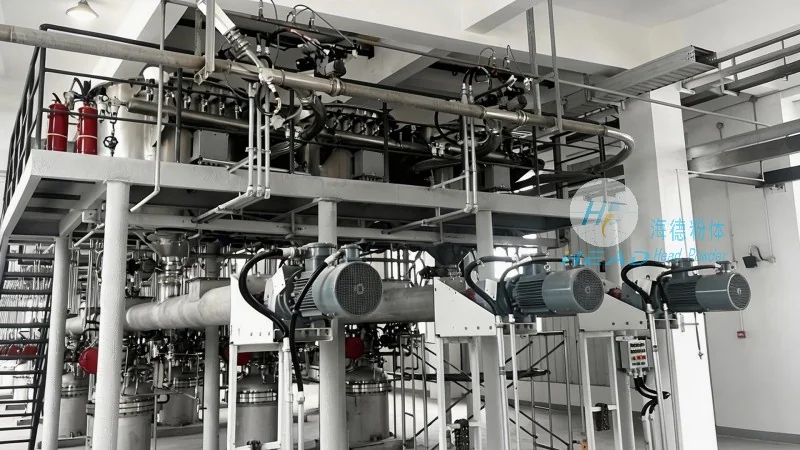
The company's design approach involves a thorough analysis of the client's production requirements, including throughput capacity, material characteristics, and plant layout. This analysis enables the engineers to select the most suitable equipment, such as high-capacity belt conveyors or robust screw conveyors, and to optimize the system's layout for maximum efficiency. The use of advanced materials and manufacturing techniques ensures that the equipment can withstand the harsh operating conditions associated with zinc calcine handling.
Advantages of an Optimized Material Handling System
An effectively designed zinc calcine material handling system offers several advantages that contribute to the overall success of the zinc production plant. First, it enhances operational efficiency by ensuring a continuous and uninterrupted flow of material between processing stages. This reduces downtime and minimizes the risk of material accumulation or blockages, which can lead to equipment failure or safety incidents.
Second, the system improves safety by minimizing the need for manual handling of hot or heavy materials. Automated conveyor systems and enclosed transfer points reduce the risk of accidents and exposure to hazardous conditions, creating a safer working environment for plant personnel. Additionally, the system's design helps in maintaining material quality by preventing contamination or degradation during transport, which is crucial for downstream processes like leaching.
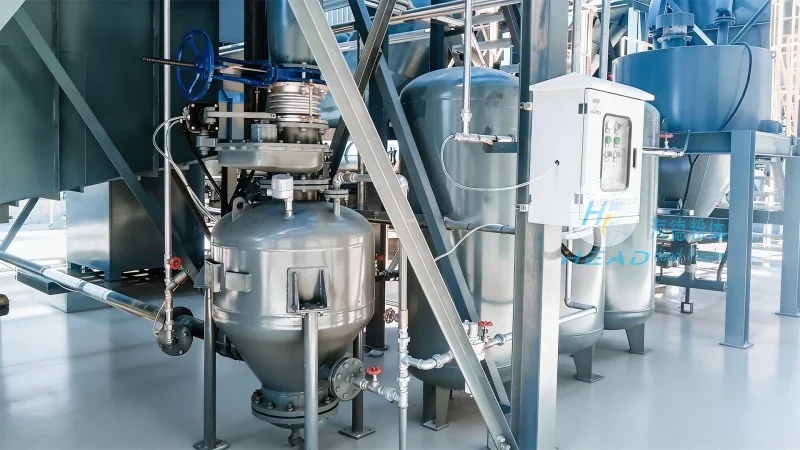
Third, an optimized material handling system contributes to cost savings by reducing maintenance costs and extending the lifespan of equipment. The use of wear-resistant materials and well-engineered components reduces the frequency of repairs and replacements, lowering operational expenses over time. Furthermore, the system's efficiency in material transport reduces energy consumption, contributing to lower overall production costs.
Conclusion
In conclusion, the zinc calcine material handling system is a critical component of the zinc smelting process, designed to efficiently transport high-temperature, abrasive material while ensuring operational safety and efficiency. The design principles, including the selection of appropriate equipment, integration of transfer points, and consideration of material properties, are essential for the system's success. Shandong HeadPowder Engineering Co., Ltd. plays a vital role in providing customized solutions that meet the unique needs of zinc production plants, ensuring reliable and cost-effective material handling throughout the production cycle.