

What is an Edible Salt Material Handling System? Exploring Its Design Principles
Edible salt is a fundamental ingredient in the food industry, and the efficient handling of this material is crucial for maintaining product quality, ensuring safety, and optimizing production processes. A specialized edible salt material handling system is designed to manage the flow of salt from storage to processing, packaging, or distribution. Such systems are engineered to meet stringent hygiene standards, operational efficiency, and safety requirements, making them essential for food processing facilities. This article delves into the concept of edible salt material handling systems and explores the key design principles that underpin their functionality.
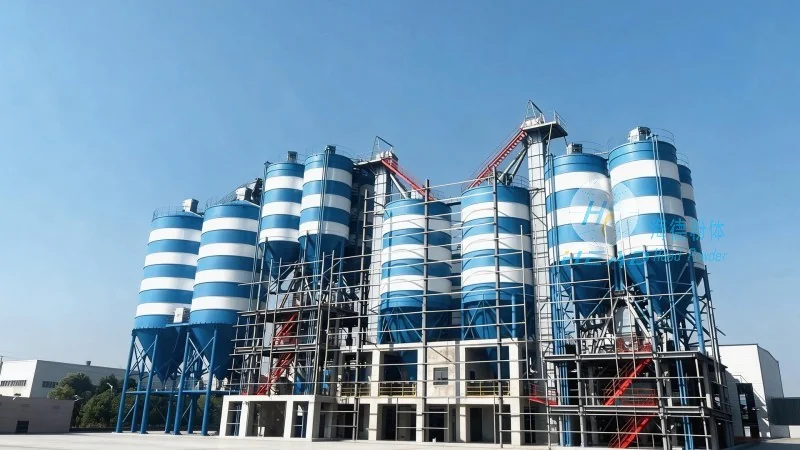
Understanding the Edible Salt Material Handling System
An edible salt material handling system is a comprehensive setup that facilitates the movement, storage, and processing of salt within a food processing environment. It typically includes components such as bulk storage silos, conveyors, feeding mechanisms, and control systems. The primary goal of these systems is to ensure that salt is handled hygienically, without contamination, and with minimal loss or degradation. The system is designed to integrate seamlessly with other production equipment, allowing for a smooth workflow from raw material intake to final product output. For companies operating in the food industry, especially those dealing with edible salt, investing in a well-designed material handling system is a critical step toward operational excellence and regulatory compliance.
Key Design Principles for Edible Salt Material Handling Systems
The design of an edible salt material handling system is guided by several critical principles that ensure its effectiveness and reliability. First, hygiene and sanitation are paramount. Since edible salt is used in food products, the system must be constructed from materials that are non-porous, easy to clean, and resistant to corrosion. Stainless steel is commonly used for components like silos, hoppers, and conveyors due to its durability and ability to withstand the harsh conditions of food processing. Additionally, the system is designed with smooth surfaces and minimal dead zones to prevent the accumulation of salt or contaminants, which could compromise product safety. Second, efficiency and throughput are key considerations. The system is engineered to handle large volumes of salt while minimizing downtime and operational costs. This involves selecting the appropriate type of conveyor, such as belt conveyors or screw conveyors, based on the specific characteristics of the salt (e.g., particle size, moisture content) and the production requirements. For example, a belt conveyor may be suitable for transporting bulk salt over long distances, while a screw conveyor is ideal for feeding smaller quantities into processing equipment. Third, safety is a non-negotiable aspect of the design. The system incorporates safety features such as emergency stop buttons, overload protection, and proper guarding to prevent accidents and injuries. These measures are essential in environments where heavy machinery and moving parts are involved. Furthermore, the system is designed to be user-friendly, with intuitive controls that allow operators to monitor and adjust the flow of salt as needed. This ensures that the system can be operated by trained personnel with minimal risk of errors. Fourth, scalability and adaptability are important design considerations. As a company grows or its production needs change, the material handling system should be able to accommodate increased capacity or new processing requirements. This may involve modular components that can be added or removed as needed, or a flexible layout that can be reconfigured to suit different production scenarios. By adhering to these design principles, edible salt material handling systems can provide reliable and efficient operation, supporting the overall success of food processing operations.
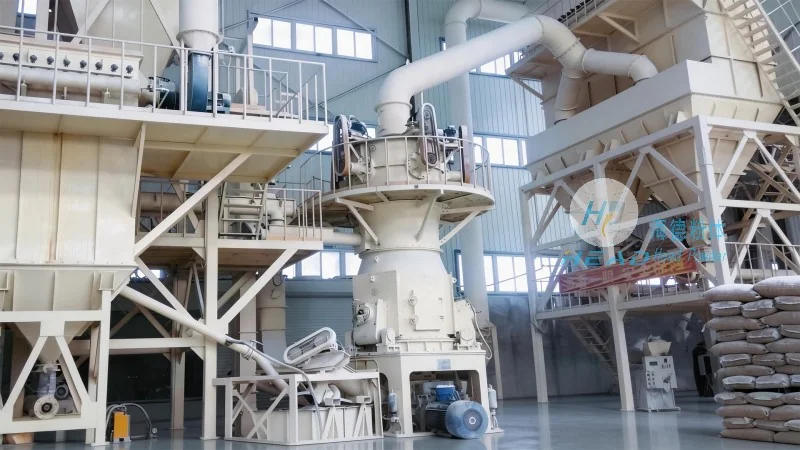
Components of an Edible Salt Material Handling System
At the core of an edible salt material handling system are several key components that work together to achieve the desired functionality. The first component is the bulk storage silo or hopper, which is used to store large quantities of salt. These storage vessels are typically made of stainless steel and are equipped with airtight seals to prevent moisture or air from entering, which could affect the quality of the salt. The silo is designed with a conical bottom to facilitate the discharge of salt, and it may include a level indicator to monitor the amount of salt stored. The second component is the conveyor system, which is responsible for transporting the salt from the storage silo to the processing or packaging area. There are several types of conveyors used in edible salt handling, including belt conveyors, screw conveyors, and bucket elevators. Belt conveyors are commonly used for horizontal or slight incline transport, while screw conveyors are ideal for vertical or inclined transport due to their ability to handle bulk materials without the need for additional equipment. The third component is the feeding mechanism, which controls the flow of salt from the storage vessel to the conveyor. This may include a rotary valve or a feeder that regulates the amount of salt released at a given time. The feeding mechanism is crucial for maintaining a consistent flow rate, which is essential for smooth operation of the processing equipment. The fourth component is the control system, which monitors and controls the operation of the entire material handling system. This system typically includes sensors, such as level sensors or flow meters, that provide real-time data on the status of the system. The control system may also include a programmable logic controller (PLC) that allows operators to set parameters, such as the speed of the conveyor or the amount of salt fed, and to receive alerts if any issues arise. By integrating these components, the edible salt material handling system can operate efficiently and reliably, ensuring that the salt is handled in a hygienic and controlled manner.
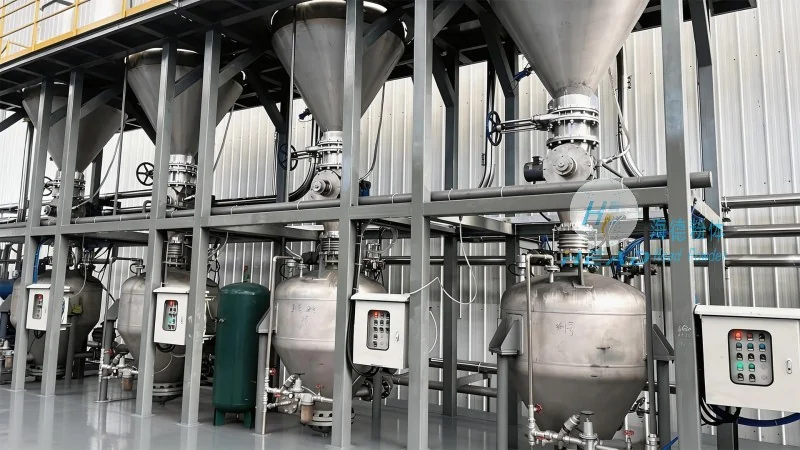
Applications and Benefits of Edible Salt Material Handling Systems
Edible salt material handling systems are used in a variety of applications within the food industry, from large-scale production facilities to smaller processing plants. In large-scale operations, these systems are used to handle thousands of tons of salt per day, supporting the production of various food products such as processed meats, dairy products, and baked goods. In smaller facilities, the system may be used to handle smaller volumes of salt, but it still plays a critical role in ensuring efficient and safe handling. The benefits of implementing an edible salt material handling system are numerous. First, it improves operational efficiency by reducing the time and labor required to handle salt. Manual handling of bulk salt is not only labor-intensive but also poses health and safety risks. The automated system reduces the need for manual labor, minimizing the risk of accidents and injuries. Second, it enhances product quality by ensuring that the salt is handled hygienically and without contamination. This is particularly important for edible salt, as any contamination could lead to food safety issues. The system’s design, with its smooth surfaces and minimal dead zones, helps to prevent the accumulation of salt or contaminants, which could compromise product quality. Third, it increases safety by incorporating safety features such as emergency stop buttons and overload protection. These features help to prevent accidents and injuries in the workplace. Fourth, it improves regulatory compliance by meeting the stringent hygiene and safety standards required by food regulatory agencies. By using a well-designed edible salt material handling system, companies can ensure that they are operating in compliance with regulations and can avoid costly penalties or product recalls. Overall, the edible salt material handling system is a critical component of any food processing facility, providing the foundation for efficient, safe, and high-quality production.
Conclusion
In conclusion, an edible salt material handling system is a specialized setup designed to handle the flow of salt in a food processing environment. The system is engineered to meet stringent hygiene, efficiency, and safety standards, making it essential for companies dealing with edible salt. The design principles that guide these systems include hygiene and sanitation, efficiency and throughput, safety, and scalability. The components of the system, such as bulk storage silos, conveyors, feeding mechanisms, and control systems, work together to ensure reliable and efficient operation. The benefits of implementing such a system include improved operational efficiency, enhanced product quality, increased safety, and better regulatory compliance. For companies operating in the food industry, investing in a well-designed edible salt material handling system is a strategic decision that supports long-term success and growth. As the demand for high-quality food products continues to grow, the importance of efficient and safe material handling systems will only increase. Companies like Shandong HeadPowder Engineering Co., Ltd., based in China, play a crucial role in providing these systems to the food industry, helping businesses to meet their production needs while maintaining the highest standards of quality and safety.