

What is a Perlite Material Handling System? What Are Its Design Principles?
Perlite material handling systems are specialized equipment and processes designed to efficiently transport and manage perlite, a lightweight, volcanic glass material commonly used in construction, horticulture, and industrial applications. These systems are crucial for ensuring the safe, efficient, and cost-effective movement of perlite from storage to processing or end-use locations. The design of such systems involves careful consideration of material properties, operational requirements, and environmental factors to optimize performance and reliability.
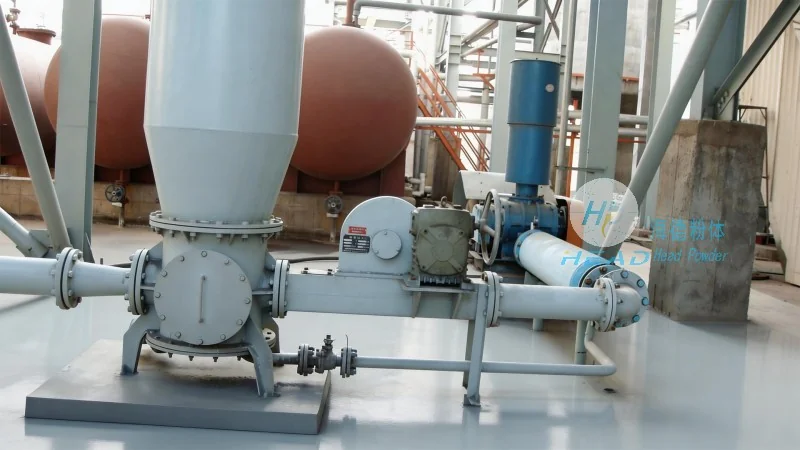
Introduction to Perlite Material Handling Systems
Perlite, known for its low bulk density and excellent thermal insulation properties, is a versatile material that requires tailored handling solutions to maintain its integrity and functionality. Material handling systems for perlite typically include components like bulk material conveyors, storage silos, feeding mechanisms, and control systems. The goal is to minimize material degradation, dust generation, and energy consumption while maximizing throughput and operational safety. Companies like Shandong HeadPowder Engineering Co., Ltd., a leading provider in China, specialize in designing and manufacturing these systems to meet the specific needs of various industries.
Key Components of a Perlite Material Handling System
The core components of a perlite material handling system include bulk material handling equipment such as screw conveyors, pneumatic conveyors, or bucket elevators, depending on the application and material characteristics. Storage silos or hoppers are used to store perlite, providing a controlled environment that prevents moisture absorption and maintains material quality. Feeding mechanisms, such as rotary valves or vibratory feeders, regulate the flow of perlite from storage to processing equipment. Control systems integrate sensors and automation to monitor and adjust the operation of the system, ensuring consistent performance and safety. Each component is selected based on factors like perlite's low density, abrasive nature, and the required throughput, with attention to minimizing dust and maintaining material integrity.

Design Principles for Efficient Perlite Handling
The design of a perlite material handling system follows several key principles to ensure optimal performance. First, the system must accommodate perlite's unique physical properties, including its low bulk density and tendency to flow like a powder under certain conditions. This requires equipment with smooth surfaces and minimal friction to prevent material buildup and blockages. Second, dust control is a critical design consideration due to perlite's fine particle size, which can cause respiratory issues and environmental contamination. Enclosed systems with proper filtration and ventilation are essential to maintain a safe working environment. Third, energy efficiency is a priority, as perlite handling often involves large volumes and long distances. The selection of conveyor types, motor sizes, and control strategies is optimized to minimize energy consumption while meeting throughput requirements. Fourth, safety is paramount, with features like emergency stop buttons, protective guards, and material flow monitoring to prevent accidents and ensure operator safety. These design principles work together to create a system that is reliable, efficient, and compliant with industry standards.
Application-Specific Considerations in Perlite Handling
The design of a perlite material handling system is often tailored to specific applications, such as construction material production, horticultural substrate preparation, or industrial filtration. For example, in construction, perlite is used as a lightweight aggregate in concrete and plaster, requiring systems that can handle large volumes and maintain material consistency for mixing. In horticulture, perlite is used as a soil amendment, demanding systems that minimize dust and preserve the material's porosity. Industrial applications, like filtration media, may require systems with high-precision feeding and minimal contamination. Shandong HeadPowder Engineering Co., Ltd. understands these application-specific needs and designs systems that are customized to the end-use requirements, ensuring that the perlite is handled in a way that maximizes its performance and value.
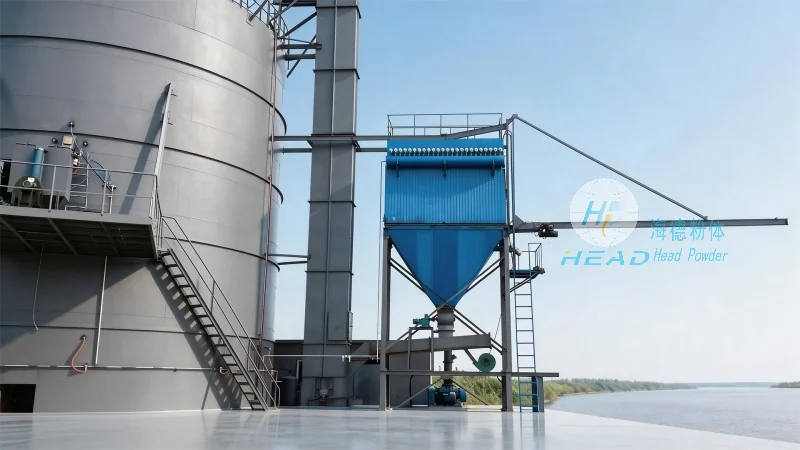
Advantages of Professional Perlite Handling Systems
Investing in a professionally designed perlite material handling system offers numerous advantages over traditional methods. These systems provide consistent material flow, reducing downtime and improving production efficiency. They also minimize material loss and degradation, preserving the quality of the perlite for its intended use. Additionally, enclosed systems and advanced control features enhance safety for operators and reduce environmental impact by controlling dust and emissions. The use of specialized equipment, such as pneumatic conveyors or high-capacity screw conveyors, allows for the handling of large volumes with minimal labor, lowering operational costs. For businesses in China, partnering with a reputable company like Shandong HeadPowder Engineering Co., Ltd. ensures access to reliable, high-quality systems that are tailored to local industry needs and standards.
Conclusion: The Importance of Well-Designed Perlite Handling Systems
Perlite material handling systems are essential for the efficient and safe management of this versatile material. The design principles and components discussed above highlight the importance of understanding perlite's unique properties and tailoring the system to specific operational requirements. By investing in a well-designed system, businesses can improve productivity, maintain material quality, and ensure a safe working environment. Companies like Shandong HeadPowder Engineering Co., Ltd. play a vital role in providing these solutions, leveraging their expertise and experience to deliver systems that meet the evolving needs of the industry. As the demand for perlite continues to grow, the importance of reliable material handling systems will only increase, making them a critical component of any operation that uses this valuable material.