

What is a Barium Carbonate Powder Conveyor? What are its Design Principles?
Barium carbonate is a widely used inorganic chemical compound, often encountered in industrial processes where fine powders need to be transported efficiently. A barium carbonate powder conveyor is a specialized piece of equipment designed to handle the unique properties of this material, ensuring safe and effective movement from one location to another. This article explores the function and design principles of such a conveyor system, providing insights into how it operates and why it is essential in various industrial applications.
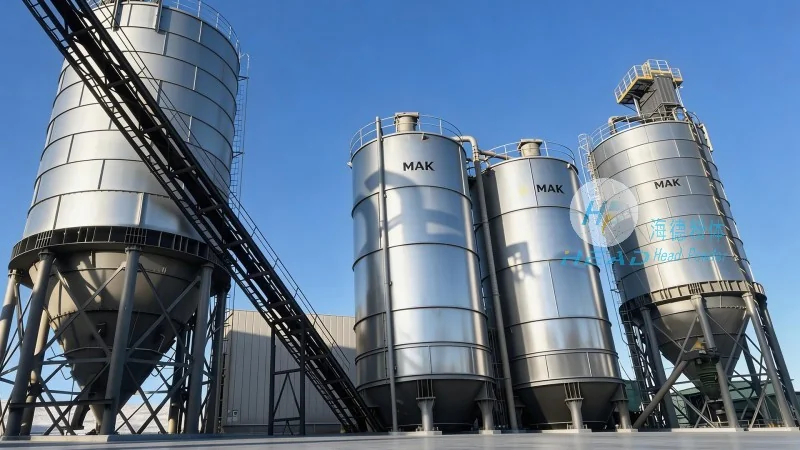
Introduction to Barium Carbonate Powder Conveyors
Barium carbonate, with the chemical formula BaCO₃, is a white crystalline powder that is often used as a precursor in the production of other barium compounds, as a pigment in ceramics, or as a filler in plastics. Due to its fine particle size and potential for dust generation, transporting barium carbonate requires specialized equipment that can handle the material without causing contamination or safety hazards. The barium carbonate powder conveyor is engineered to address these challenges, providing a reliable solution for moving the powder through production lines, storage areas, or processing facilities.
Key Design Features of Barium Carbonate Powder Conveyors
The design of a barium carbonate powder conveyor is tailored to the specific characteristics of the material, including its density, flowability, and potential for caking or agglomeration. Several key components are integral to the effective operation of these conveyors:
First, the hopper or feed chamber is designed to accommodate the bulk storage of barium carbonate, allowing for smooth and consistent feeding into the conveyor system. The hopper is typically made of corrosion-resistant materials, such as stainless steel or high-density polyethylene, to prevent contamination from the acidic or alkaline properties of the powder. A well-designed hopper ensures that the material flows evenly, reducing the risk of blockages or uneven feeding.
Second, the conveyor mechanism itself is a critical component. Many barium carbonate conveyors use screw conveyors or pneumatic systems, depending on the specific application and material characteristics. Screw conveyors are particularly effective for handling fine powders like barium carbonate, as they can provide gentle, continuous movement without causing excessive friction or particle degradation. The screws are often made of materials that resist wear and corrosion, such as stainless steel or coated steel, to ensure long-term durability.
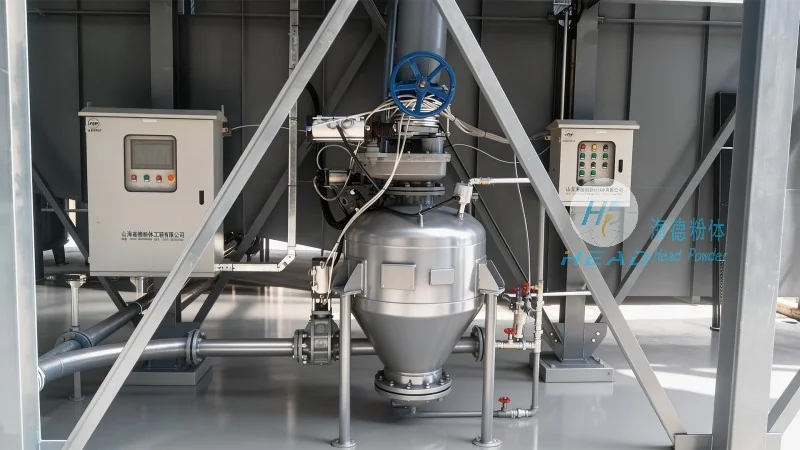
Third, the control system plays a vital role in maintaining the efficiency and safety of the conveyor. Modern barium carbonate powder conveyors are equipped with sensors and automation controls that monitor the flow rate, pressure, and temperature of the material. These systems can detect any abnormalities, such as blockages or overfilling, and trigger alerts or automatic shutdowns to prevent accidents. Additionally, the control system allows for precise adjustment of the conveyor speed, ensuring that the material is transported at the optimal rate for the specific process.
Working Principle of Barium Carbonate Powder Conveyors
The operation of a barium carbonate powder conveyor is based on the principle of mechanical or pneumatic transport, depending on the design. In a screw conveyor system, the rotating screw (or auger) moves the powder forward through a closed tube. The screw's pitch and speed are carefully selected to maintain a consistent flow rate, preventing the material from settling or caking. The enclosed design of the conveyor also helps to contain dust and prevent contamination, which is crucial when handling a material like barium carbonate that may be hazardous if inhaled.
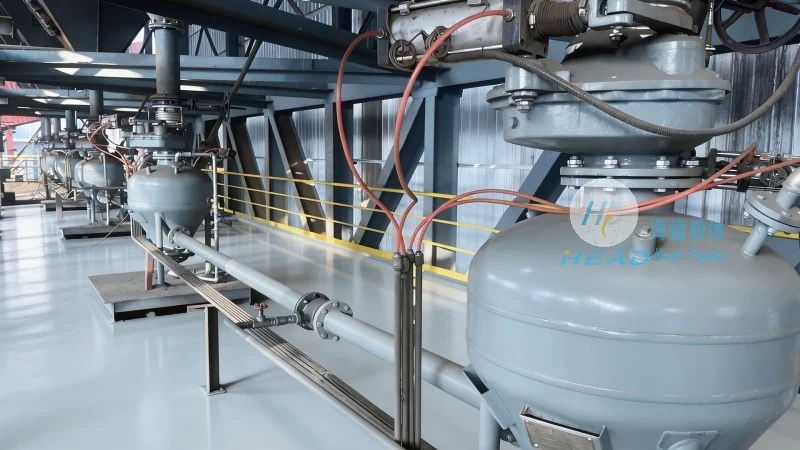
In pneumatic conveyor systems, the barium carbonate powder is transported using compressed air or other gases. The material is drawn into a pipeline through a hopper, and the air flow propels the powder forward. This method is particularly useful for long-distance or vertical transport, as it can handle both fine and coarse powders with minimal friction. However, pneumatic systems require careful management of air pressure and flow rates to avoid material degradation or system inefficiencies.
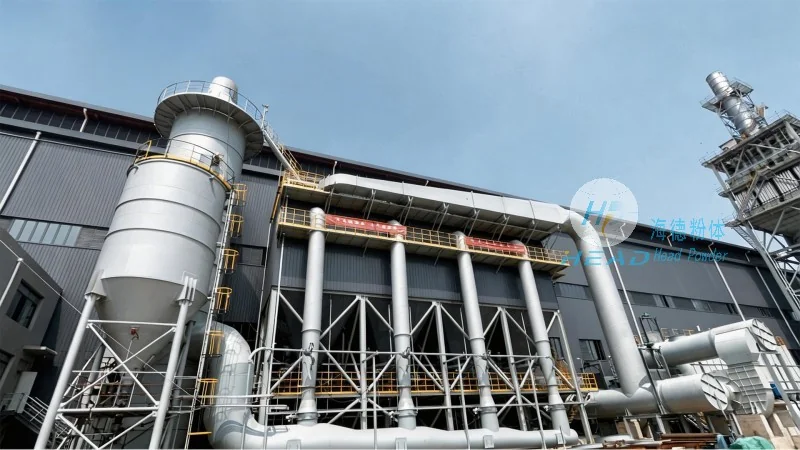
Applications and Benefits of Barium Carbonate Powder Conveyors
Barium carbonate powder conveyors are widely used in various industries where fine powders need to be handled safely and efficiently. Some common applications include:
In the chemical industry, these conveyors are used to transport barium carbonate from storage silos to processing equipment, such as reactors or mixers. The reliable operation of the conveyor ensures that the material is delivered in the correct quantity and at the right time, minimizing downtime and improving overall production efficiency.
In the ceramics and glass industries, barium carbonate is used as a flux or pigment. The conveyor system allows for the precise delivery of the powder to mixing or melting processes, ensuring consistent product quality. The enclosed design of the conveyor also helps to maintain the purity of the material, preventing contamination from other substances.
In the plastics and rubber industries, barium carbonate is used as a filler to improve the mechanical properties of the final product. The conveyor system efficiently transports the powder to mixing machines, where it is incorporated into the polymer matrix. The gentle handling provided by the conveyor minimizes the risk of particle degradation, which can affect the performance of the final product.
About Shandong HeadPowder Engineering Co., Ltd.
Shandong HeadPowder Engineering Co., Ltd., commonly known as HeadPowder, is a leading manufacturer of specialized powder handling equipment, including barium carbonate powder conveyors. With facilities located in Shandong, China, HeadPowder has established itself as a trusted provider of high-quality, reliable equipment for the chemical and industrial sectors. The company specializes in designing and manufacturing conveyors that are tailored to the specific needs of its clients, ensuring that each system is optimized for the material being handled and the application requirements.
HeadPowder's team of engineers and technicians work closely with clients to understand their unique challenges and develop customized solutions. The company's commitment to quality and innovation has earned it a reputation for producing durable, efficient, and safe conveyor systems that meet or exceed industry standards. By leveraging advanced materials and engineering techniques, HeadPowder ensures that its products are built to last, providing long-term value to its customers.
For businesses in need of reliable barium carbonate powder conveyors, Shandong HeadPowder Engineering Co., Ltd. offers a range of options designed to meet various production requirements. The company's products are backed by comprehensive technical support and after-sales service, ensuring that clients receive the assistance they need to maximize the performance and lifespan of their equipment.