

What is a Crystal Powder Bulk Conveyor? Understanding Its Design Principles
For industries dealing with crystalline powders, efficient and reliable material handling is crucial. A crystal powder bulk conveyor, also known as a bulk material conveyor, is a specialized piece of equipment designed to transport these powders from one location to another. This equipment is essential for maintaining product quality, ensuring consistent flow rates, and enhancing overall operational efficiency in various industrial applications.
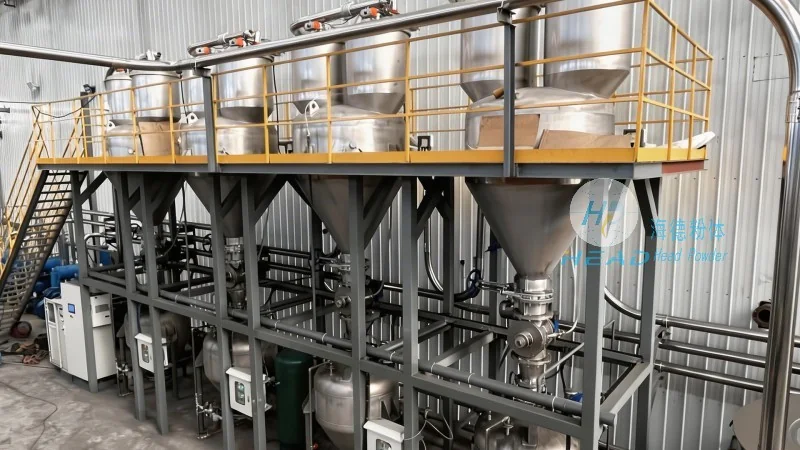
At Shandong HeadPowder Engineering Co., Ltd., we specialize in the design, manufacturing, and supply of high-quality crystal powder conveyors. Our company, commonly known as HeadPowder, has been a leader in the field of bulk material handling solutions for many years, serving a wide range of industries including pharmaceuticals, chemicals, food processing, and more. With a strong commitment to innovation and precision engineering, we develop conveyors that meet the unique demands of each client while adhering to the highest standards of performance and safety.
Key Components and Design Principles of Crystal Powder Conveyors
The design of a crystal powder conveyor is built upon several key components and principles that ensure optimal performance. The primary function is to move powders without causing degradation, caking, or segregation. To achieve this, the conveyor system typically includes a hopper for material storage, a feeding mechanism to control the flow rate, and a conveying section that transports the powder to the discharge point.
One of the critical design elements is the choice of materials for the conveyor components. Since crystalline powders can be abrasive and may require sterile or cleanroom environments, the equipment is often constructed from materials such as stainless steel, food-grade plastics, or specialized alloys. This ensures durability and resistance to corrosion, while also maintaining compliance with industry regulations for hygiene and safety.
The conveying mechanism itself can vary depending on the specific application. Common types include screw conveyors, pneumatic conveyors, and belt conveyors. Screw conveyors use a rotating screw to push the powder forward, which is effective for horizontal or slight incline transport. Pneumatic conveyors, on the other hand, use air pressure to move the powder through a pipeline, making them suitable for longer distances or when the powder needs to be transported in a closed system. Belt conveyors are ideal for larger volumes and can handle a wider range of particle sizes.
How Crystal Powder Conveyors Work: A Step-by-Step Overview
Understanding the operational process of a crystal powder conveyor helps in appreciating its efficiency. The process typically begins with the powder being fed into the hopper from a storage silo or batch container. The feeding mechanism, often a valve or a rotary feeder, regulates the flow rate to prevent overloading the conveyor and maintain a steady supply.
Once the powder enters the conveying section, it is moved along the path set by the design. In a screw conveyor, the rotating screw pushes the material forward, while in a pneumatic system, compressed air propels the powder through the pipeline. The speed and pressure of the conveying medium are carefully controlled to ensure the powder moves smoothly without causing blockages or degradation.
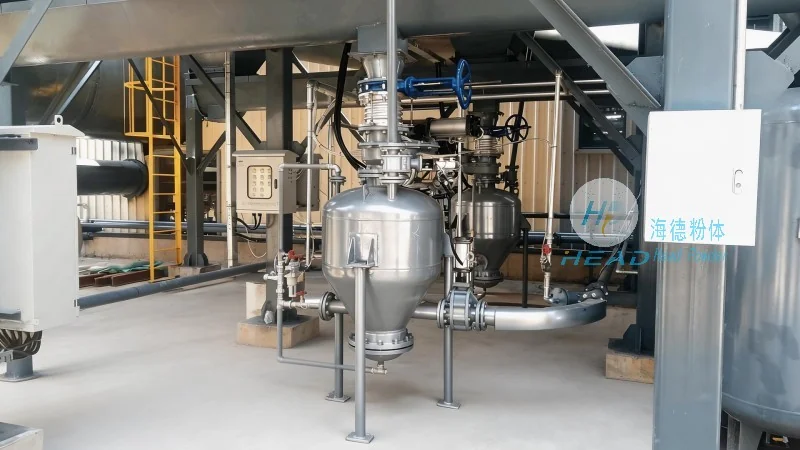
The discharge point is where the powder is released into the next stage of processing or into a storage container. The design of the discharge mechanism is crucial to prevent spillage and ensure a clean transfer. Many systems include a discharge valve or a controlled outlet that can be adjusted to match the receiving equipment's capacity.
Benefits of Using Crystal Powder Conveyors in Industrial Applications
Implementing a crystal powder conveyor offers numerous benefits that contribute to improved productivity and product quality. First, it ensures consistent and controlled flow rates, which is vital for maintaining the integrity of the crystalline material. This consistency helps in achieving uniform product characteristics, such as particle size distribution and moisture content.
Second, the enclosed design of many crystal powder conveyors minimizes dust exposure and contamination. This is particularly important in industries like pharmaceuticals and food processing, where product purity is paramount. By containing the powder within the system, the risk of cross-contamination and environmental pollution is significantly reduced.
Third, these conveyors enhance operational efficiency by automating the material handling process. Manual handling of crystalline powders can be hazardous due to dust inhalation and the risk of material spillage. Automated conveyors reduce labor costs, improve safety, and allow operators to focus on other critical tasks. Additionally, the precise control over flow rates and speeds helps in optimizing production cycles and reducing downtime.
Customization and Integration with Existing Systems
At HeadPowder, we recognize that each industrial facility has unique requirements. Therefore, our crystal powder conveyors are highly customizable to fit specific operational needs. We work closely with clients to understand their processes, material characteristics, and space constraints, then design a conveyor system that integrates seamlessly with their existing infrastructure.
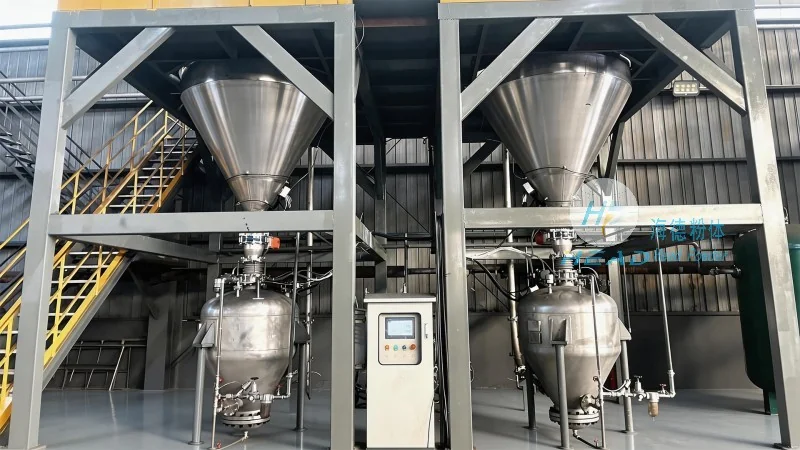
Customization options may include adjustments to the conveyor length, the type of conveying mechanism, the material of construction, and the control systems. For example, a pharmaceutical company might require a conveyor made from stainless steel with a sterile design, while a chemical plant might need a more robust system to handle abrasive powders. Our team of engineers ensures that each customized solution meets the client's performance expectations and complies with relevant industry standards.
Maintenance and Durability: Ensuring Long-Term Performance
Proper maintenance is essential to keep a crystal powder conveyor operating at peak efficiency. Regular inspections and maintenance checks help identify and address potential issues before they lead to system failures. At HeadPowder, we provide comprehensive maintenance services and spare parts to support our clients' equipment throughout its lifecycle.
The durability of the conveyor components is another critical aspect of its design. Since crystalline powders can be abrasive and may cause wear on the conveyor parts, we use high-quality materials and advanced manufacturing techniques to ensure longevity. For instance, the screw or belt surfaces are often lined with wear-resistant materials to minimize friction and extend the life of the equipment.
Additionally, the design of the conveyor system includes features that facilitate easy maintenance. Access panels and removable components allow for quick inspection and replacement of worn parts, reducing downtime and maintenance costs. By investing in a well-designed and well-maintained crystal powder conveyor, industries can ensure reliable operation and maximize the return on their investment.
Conclusion: Choosing the Right Crystal Powder Conveyor for Your Needs
Crystal powder conveyors are indispensable tools for industries that handle crystalline powders, offering efficient, reliable, and safe material handling solutions. At Shandong HeadPowder Engineering Co., Ltd., we are committed to providing high-quality, customized conveyor systems that meet the diverse needs of our clients. By understanding the design principles, operational benefits, and maintenance requirements of these systems, businesses can make informed decisions and enhance their overall operational performance.
Whether you are in the pharmaceutical, chemical, food, or other industries, a crystal powder conveyor from HeadPowder can help streamline your material handling processes, improve product quality, and boost your bottom line. Contact us today to learn more about our range of bulk material handling solutions and how we can tailor a conveyor system to your specific requirements.