

What is a Potassium Hydroxide Material Handling System? And What Are Its Design Principles?
Hydrogen potassium hydroxide (KOH) is a widely used chemical in various industrial applications, including chemical manufacturing, battery production, and water treatment. The safe and efficient handling of this caustic material is crucial due to its strong alkaline properties and potential hazards during transportation and storage. This article explores the concept of a potassium hydroxide material handling system and delves into its fundamental design principles, highlighting the key components and considerations for ensuring safe operation.
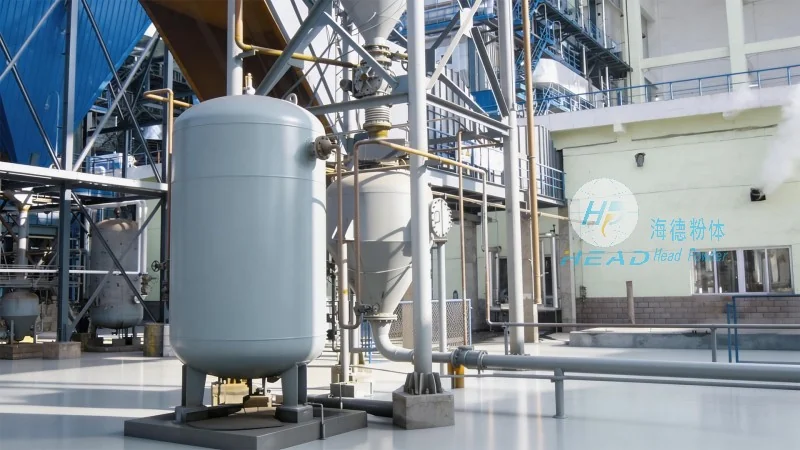
Understanding the Importance of a Potassium Hydroxide Material Handling System
Before diving into the design principles, it's essential to understand why specialized systems are required for handling KOH. As a highly reactive and corrosive substance, KOH can cause severe damage to conventional equipment and pose risks to personnel if not managed properly. Traditional methods, such as manual handling or basic conveyor systems, often fall short in meeting the stringent safety and efficiency standards demanded by modern industrial processes. Therefore, a dedicated material handling system is essential to mitigate these risks while optimizing the flow of KOH through production lines.
Key Components of a Potassium Hydroxide Material Handling System
The core of any effective KOH material handling system consists of several critical components that work in tandem to ensure safe and reliable operation. These components typically include storage tanks, pumping systems, transfer lines, and control mechanisms. Each component is designed to withstand the corrosive nature of KOH and prevent leaks or spills that could lead to accidents or environmental contamination.
Storage tanks are typically made from materials like stainless steel or specialized alloys that resist alkaline corrosion. These tanks are equipped with pressure relief valves and level indicators to monitor the contents and maintain safe operating conditions. The pumping system, often using chemical-resistant pumps such as diaphragm or magnetic drive pumps, ensures the smooth transfer of KOH from storage to processing units. Transfer lines are usually constructed from corrosion-resistant materials like PTFE or high-density polyethylene (HDPE) to prevent degradation and maintain the integrity of the material.
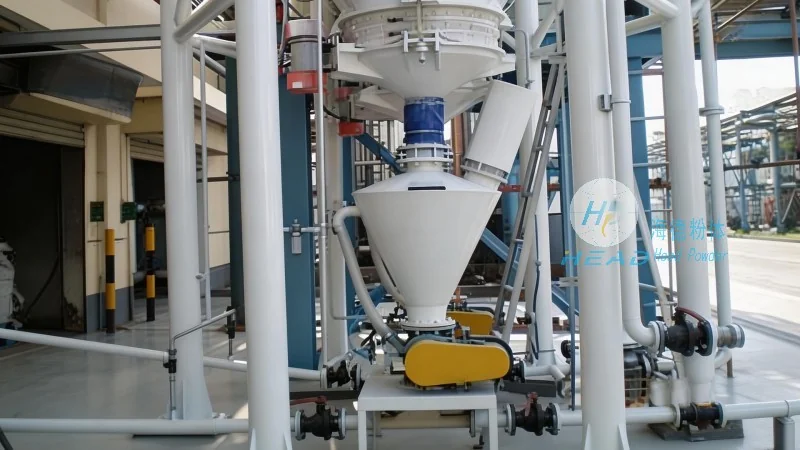
Design Principles for Safe and Efficient Operation
The design of a potassium hydroxide material handling system follows several key principles aimed at maximizing safety, efficiency, and durability. One of the primary principles is the use of corrosion-resistant materials throughout the system. Since KOH is highly corrosive, all components, including pipes, valves, and fittings, must be made from materials that can withstand prolonged exposure to the chemical. Stainless steel, particularly grades like 316L, is commonly used for its excellent resistance to alkaline solutions, while specialized coatings or linings may be applied to other parts to enhance protection.
Another critical design principle is the implementation of robust sealing and leak detection systems. Even minor leaks can have severe consequences, so the system must incorporate tight-sealing mechanisms, such as double mechanical seals or magnetic drive seals, to prevent any leakage of KOH. Additionally, leak detection sensors are installed along the transfer lines and at critical junctions to provide early warnings of potential issues, allowing for immediate intervention and preventing larger incidents.
Temperature control is also a vital aspect of KOH material handling system design. KOH solutions can generate heat during mixing or reaction processes, and excessive temperatures can increase the risk of pressure buildup or chemical degradation. Therefore, the system includes temperature monitoring and control devices to maintain the solution within safe operating limits. This helps prevent thermal runaway and ensures consistent performance of the system components.
Furthermore, the system is designed with safety protocols and emergency shutdown (ESD) features to handle unexpected situations. Emergency valves and isolation devices are strategically placed to quickly shut down the flow of KOH in case of a malfunction or accident. The system may also include secondary containment measures, such as sump tanks or spill containment areas, to capture any accidental spills and prevent environmental contamination.
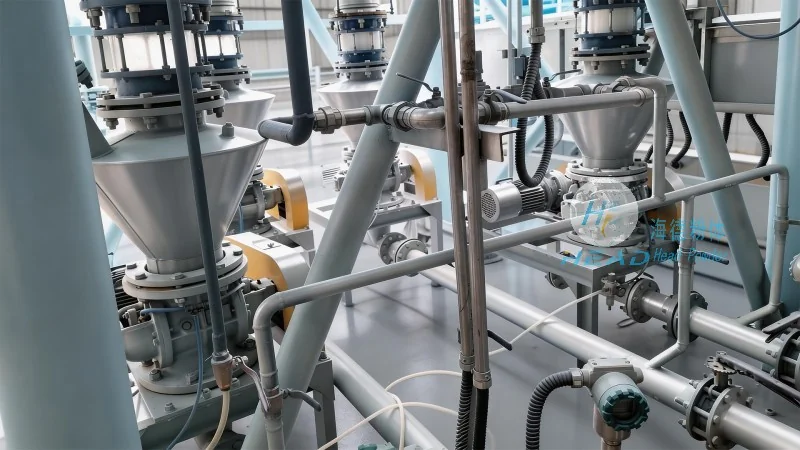
Company Overview: Shandong HeadPowder Engineering Co., Ltd.
Shandong HeadPowder Engineering Co., Ltd., a leading provider of industrial material handling solutions, specializes in designing and manufacturing systems tailored to the unique needs of chemical industries. With years of experience in handling caustic and hazardous materials, the company has developed a reputation for delivering reliable, safe, and efficient solutions. HeadPowder's expertise lies in customizing material handling systems to meet specific process requirements, ensuring that clients can handle chemicals like potassium hydroxide with confidence and compliance.
HeadPowder's commitment to quality and safety is evident in their rigorous testing and certification processes. All systems are designed in accordance with international standards and undergo thorough testing to ensure they meet the highest safety and performance benchmarks. The company's team of engineers and technicians work closely with clients to understand their operational needs and provide tailored solutions that enhance productivity while minimizing risks.
HeadPowder's facilities are located in Shandong, China, where the company leverages advanced manufacturing technologies and skilled workforce to produce high-quality material handling equipment. The company's dedication to innovation and customer satisfaction has made it a trusted partner for businesses operating in the chemical, battery, and water treatment sectors. By focusing on the specific challenges of handling potassium hydroxide and other hazardous chemicals, HeadPowder continues to set industry standards for safety and efficiency in material handling systems.