

What is an Activated Carbon Powder Material Handling System? What Are Its Design Principles?
Activated carbon powder, widely used in water treatment, air purification, and chemical processes, presents unique handling challenges due to its fine particle size and tendency to agglomerate. Efficient and reliable material handling systems are crucial for maintaining product quality and operational efficiency in industrial applications. This article explores the concept of an activated carbon powder material handling system and delves into its design principles, with a focus on the expertise of Shandong HeadPowder Engineering Co., Ltd.
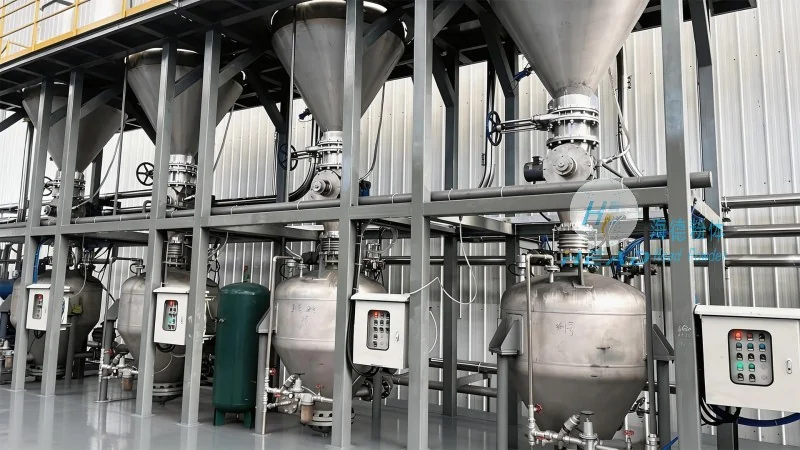
Understanding the Challenges of Activated Carbon Powder Handling
Activated carbon powder is characterized by its small particle diameter, typically ranging from 0.1 to 2.5 millimeters, and a high surface area. These properties make it prone to dust generation, caking, and poor flowability. Traditional bulk material handling methods, such as belt conveyors or bucket elevators, often struggle with these characteristics, leading to material loss, equipment wear, and process inefficiencies. Therefore, specialized systems are required to ensure safe, clean, and effective transport of activated carbon powder from storage to processing units.
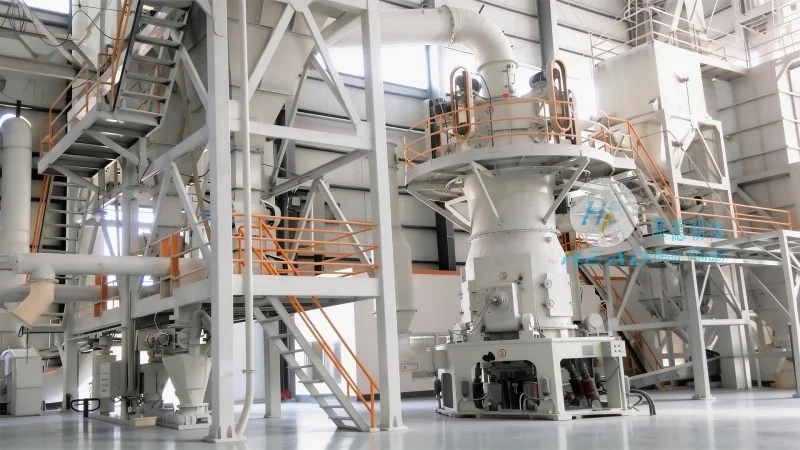
HeadPowder Engineering: A Leader in Activated Carbon Powder Handling Solutions
Shandong HeadPowder Engineering Co., Ltd., a prominent manufacturer based in Shandong, China, specializes in designing and manufacturing customized material handling systems tailored to the unique needs of activated carbon powder. With years of experience in the industry, HeadPowder has developed a comprehensive range of solutions that address the challenges associated with handling fine powders. The company's approach combines advanced engineering principles with practical application knowledge to deliver systems that meet the highest standards of performance and reliability.
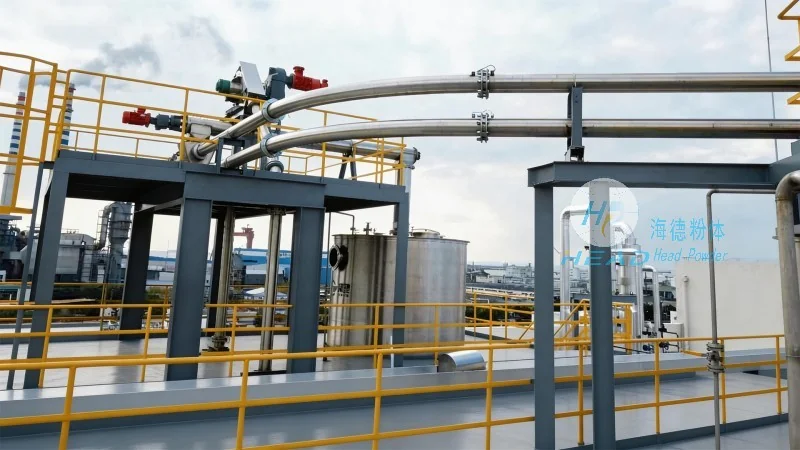
Key Components of an Activated Carbon Powder Material Handling System
An effective activated carbon powder material handling system typically consists of several key components, each designed to optimize the flow and control of the material. The primary components include:
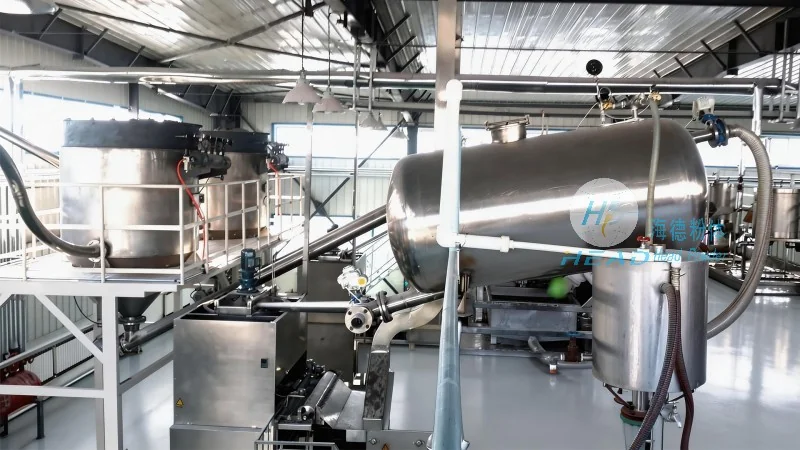
- Feeding Equipment: This component is responsible for uniformly feeding the activated carbon powder into the system. Options include rotary valves, star feeders, or screw feeders, which are chosen based on the powder's flow characteristics and the required feed rate. These devices ensure a consistent and controlled flow, preventing blockages and maintaining system stability.
- Pneumatic Conveying Systems: For applications requiring long-distance or high-volume transport, pneumatic conveying is often the preferred method. This technology uses air to transport the powder through a network of pipes. HeadPowder offers both positive and negative pressure systems, each with distinct advantages. Positive pressure systems are suitable for short to medium distances and can handle abrasive materials, while negative pressure systems are ideal for long-distance transport and are more energy-efficient.
- Screw Conveyors: For horizontal or slight incline transport over shorter distances, screw conveyors are commonly used. These systems consist of a rotating screw inside a trough, which moves the powder forward. Screw conveyors are particularly effective for handling cohesive powders and can be equipped with variable speed drives to adjust the flow rate as needed.
- Storage and Discharge Equipment: The system may include storage silos or hoppers to temporarily hold the activated carbon powder before processing. These vessels are designed with smooth, non-stick surfaces to prevent material buildup and ensure easy discharge. Discharge equipment, such as bottom outlets or rotary valves, allows for controlled release of the powder into downstream equipment.
- Control and Monitoring Systems: Modern material handling systems incorporate advanced control and monitoring technologies to ensure optimal operation. Sensors and controllers can monitor parameters such as flow rate, pressure, and temperature, providing real-time feedback and allowing for automatic adjustments. This not only enhances safety but also improves overall system efficiency and reduces downtime.
Design Principles for Optimal Performance
The design of an activated carbon powder material handling system must consider several critical factors to ensure reliable operation and minimal maintenance. Key design principles include: