

What is an Ammonium Sulfate Material Handling System? And What Are Its Design Principles?
Ammonium sulfate is a widely used chemical fertilizer, playing a crucial role in modern agriculture. The efficient transportation and handling of this material are essential for maintaining production efficiency and ensuring product quality. This article explores the concept of an ammonium sulfate material handling system and delves into its design principles, providing a comprehensive overview for industry professionals.
Importance of Material Handling Systems for Ammonium Sulfate
In industrial settings, the proper handling of bulk materials like ammonium sulfate is critical. A well-designed material handling system ensures smooth operations, reduces downtime, and enhances safety. For ammonium sulfate, which is often stored and transported in bulk, specialized equipment and systems are necessary to meet the demands of modern production. The efficient movement of this material from storage to processing or packaging directly impacts the overall productivity of a facility.
Key Components of an Ammonium Sulfate Material Handling System
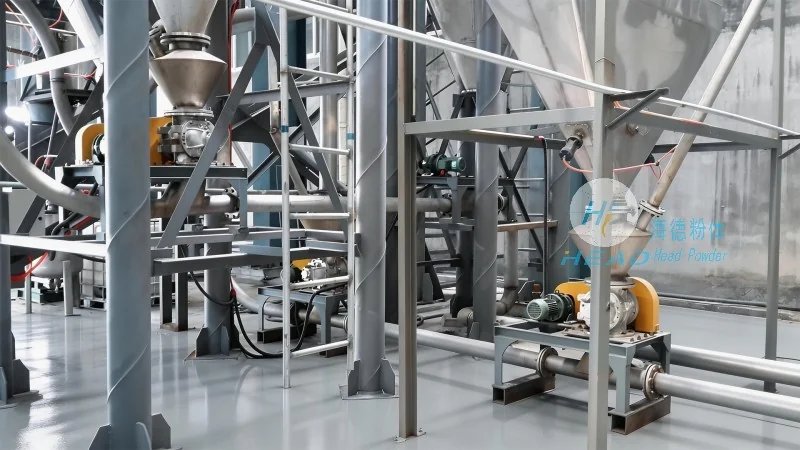
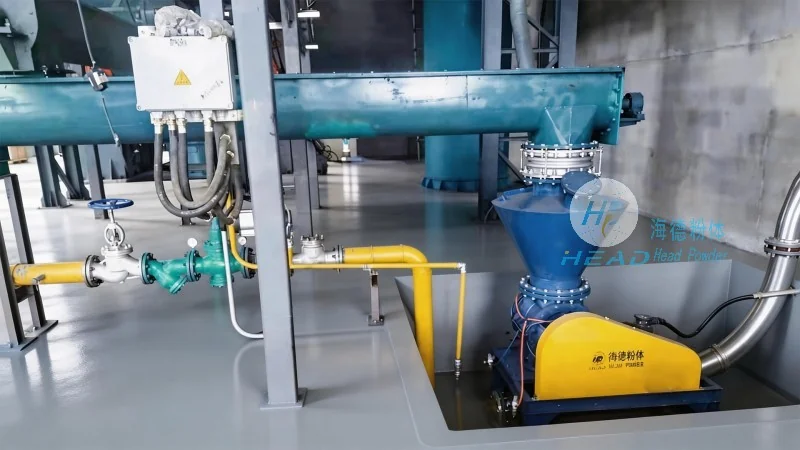
An ammonium sulfate material handling system typically includes several key components. These may include storage silos, conveyors (such as belt conveyors or screw conveyors), feeding mechanisms, and control systems. Each component is carefully selected and integrated to ensure the efficient movement of the material from storage to processing or packaging. Storage silos are used to store large quantities of ammonium sulfate, providing a stable and controlled environment. Conveyors then transport the material from the silos to other parts of the facility, while feeding mechanisms ensure consistent and controlled discharge of the material.
Design Principles for Ammonium Sulfate Material Handling Systems
The design principles of such a system focus on several key factors: material properties, operational efficiency, safety, and cost-effectiveness. The physical properties of ammonium sulfate, including its density, flowability, and potential for dust generation, must be considered when selecting equipment. For example, if the material is prone to caking or has poor flowability, specialized equipment like vibratory feeders or agitators may be required to maintain consistent flow rates. Additionally, the system must be designed to minimize dust generation, as ammonium sulfate is a fine powder that can create health and safety hazards if not properly contained.
Advanced Control Technologies in Material Handling Systems
Modern material handling systems often incorporate advanced control technologies, such as PLC (Programmable Logic Controller) systems, to monitor and regulate the flow of material. These systems can adjust conveyor speeds, control feeding rates, and provide real-time data on system performance, enhancing operational efficiency and reducing the risk of material loss or equipment damage. By integrating sensors and automation, these systems can also detect and respond to changes in material flow, ensuring that the system operates optimally under varying conditions.
HeadPowder: Customized Solutions for Ammonium Sulfate Handling
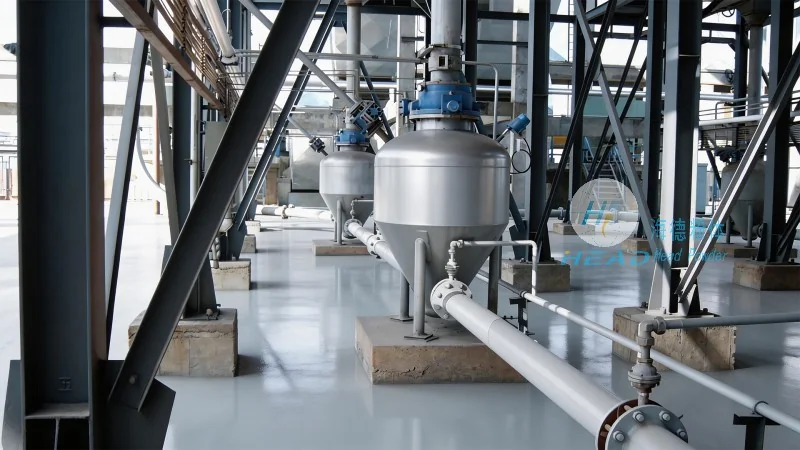
HeadPowder, a leading engineering company based in Shandong, China, specializes in the design and manufacturing of material handling systems for various bulk materials, including ammonium sulfate. With years of experience in the industry, HeadPowder provides customized solutions tailored to the specific needs of clients, ensuring reliable and efficient material handling operations. The company's expertise in material flow technology and industrial automation allows it to design systems that meet the unique requirements of each project, from small-scale operations to large industrial facilities.
Advantages of a Well-Designed Ammonium Sulfate Material Handling System
A well-designed ammonium sulfate material handling system offers several advantages. These include improved production throughput, reduced labor costs, enhanced safety through automated processes, and better control over material quality. By integrating advanced technologies and adhering to industry best practices, these systems can significantly improve the overall performance of ammonium sulfate production facilities. For example, automated feeding and conveying systems reduce the need for manual labor, minimizing the risk of human error and improving consistency in material handling.
Applications and Use Cases
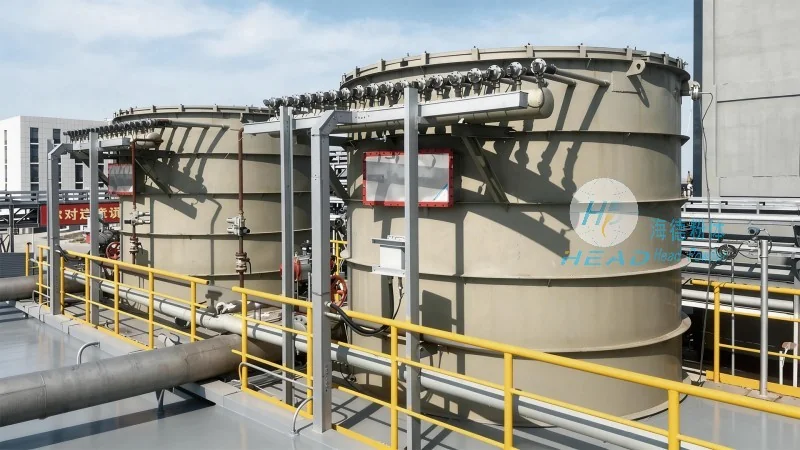
The applications of ammonium sulfate material handling systems are widespread. They are commonly used in fertilizer production plants, where the material is transported from storage silos to mixing and packaging lines. Additionally, these systems may be used in other industries, such as chemical manufacturing, where ammonium sulfate is used as a raw material or intermediate product. In agricultural settings, these systems may also be used to transport ammonium sulfate from storage to application equipment, ensuring that the material is delivered to fields in a controlled and efficient manner.
Conclusion: The Role of Material Handling Systems in Ammonium Sulfate Production
In conclusion, an ammonium sulfate material handling system is a critical component of modern industrial operations. Its design principles, which consider material properties, operational efficiency, and safety, ensure that the material is handled effectively and efficiently. Companies like Shandong HeadPowder Engineering Co., Ltd. play a vital role in providing customized solutions that meet the unique needs of clients, contributing to the success of ammonium sulfate production and processing. By investing in advanced material handling systems, industries can enhance their productivity, reduce costs, and ensure the safe and efficient handling of this important chemical fertilizer.