

What is a Rice Husk Powder Conveying System? And What Are Its Design Principles?
For industries dealing with rice husk as a raw material, efficient and reliable powder conveying systems are crucial for processing and handling. A rice husk powder conveying system is a specialized setup designed to transport rice husk particles from one location to another within a processing facility. These systems are engineered to handle the unique characteristics of rice husk, such as its lightweight, abrasive nature, and tendency to create dust, ensuring safe and effective material transport.

Key Components of a Rice Husk Powder Conveying System
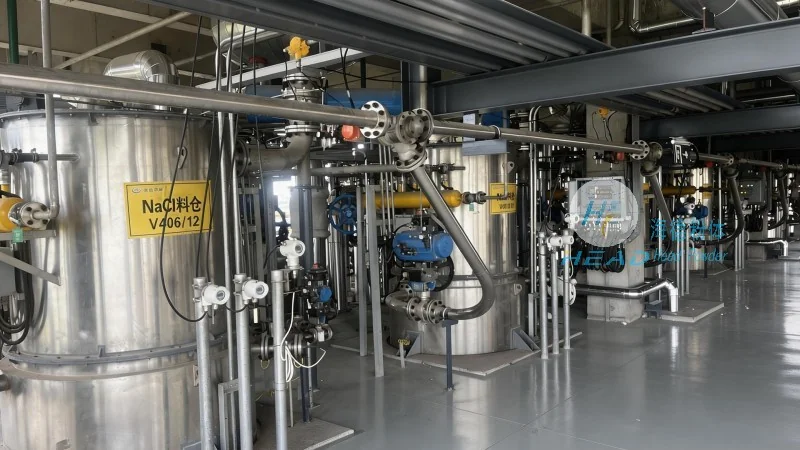
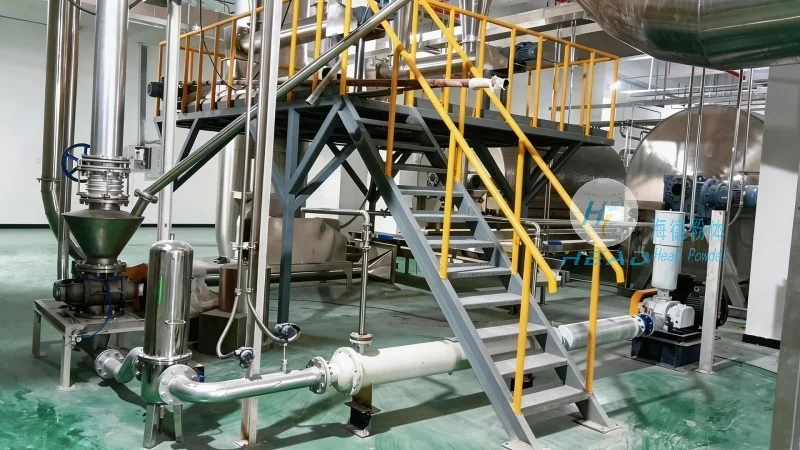
The design of a rice husk powder conveying system typically involves several key components that work in tandem to achieve efficient material transport. The primary components include a hopper for material storage, a feeding mechanism to control the flow of rice husk into the conveying system, a conveyor or transport device (such as a screw conveyor, pneumatic conveyor, or bucket elevator) to move the powder, and a control system to regulate the entire operation. Each component is selected based on the specific requirements of the rice husk processing application, ensuring optimal performance and minimal downtime.
Design Principles for Efficient Rice Husk Powder Conveying
The design principles of a rice husk powder conveying system focus on maximizing efficiency, minimizing material loss, and ensuring operational safety. One of the fundamental principles is the use of appropriate material handling equipment that can handle the abrasive and lightweight nature of rice husk. For instance, screw conveyors are often preferred for their ability to handle fine powders and prevent material segregation, while pneumatic conveyors are suitable for longer distances and more complex layouts. Additionally, the system design considers factors like dust control, as rice husk is prone to generating dust, which can affect both the environment and equipment performance. Proper sealing and filtration systems are incorporated to mitigate dust emissions and maintain a clean working environment.
How the System Works: A Step-by-Step Overview
The operation of a rice husk powder conveying system follows a systematic process to ensure smooth material transport. First, rice husk is fed into the hopper from the source, such as a storage silo or processing unit. The feeding mechanism then regulates the flow of material into the conveyor system. Depending on the chosen transport method, the rice husk is either moved mechanically (e.g., through a screw or belt conveyor) or pneumatically (using air pressure to move the powder through a pipeline). The system is equipped with sensors and control panels to monitor the flow rate, pressure, and other critical parameters, allowing for real-time adjustments to maintain optimal performance. At the destination point, the rice husk is discharged into the next processing stage, such as a grinding or drying unit, completing the conveying process.
Benefits of Using a Specialized Rice Husk Powder Conveying System
Implementing a dedicated rice husk powder conveying system offers several advantages for rice husk processing facilities. Firstly, it enhances operational efficiency by reducing manual handling and minimizing material loss during transport. The automated system ensures consistent flow rates, which is essential for maintaining the quality of the final product. Secondly, it improves safety by eliminating the need for workers to handle large quantities of rice husk manually, reducing the risk of dust exposure and physical injury. Thirdly, the system’s design minimizes dust generation and emissions, contributing to a cleaner and more environmentally friendly processing environment. Additionally, the use of specialized equipment can extend the lifespan of processing machinery by preventing abrasive wear caused by rice husk particles, thereby reducing maintenance costs and increasing overall productivity.
Customization and Integration with Existing Facilities
Shandong HeadPowder Engineering Co., Ltd. specializes in designing and manufacturing customized rice husk powder conveying systems tailored to the specific needs of each client. The company, known as headpowder, understands that different rice husk processing facilities have unique requirements, such as varying production capacities, space constraints, and material handling needs. Therefore, their approach involves a thorough analysis of the client’s operational requirements to develop a system that integrates seamlessly with existing infrastructure. This customization includes selecting the appropriate conveyor type, determining the optimal layout, and ensuring compatibility with other processing equipment. The result is a system that not only meets the current processing demands but also allows for future expansion and upgrades as the facility grows.
Conclusion: The Importance of an Efficient Rice Husk Powder Conveying System
In conclusion, a rice husk powder conveying system is a critical component of any rice husk processing operation. Its design, based on fundamental principles of material handling and dust control, ensures efficient and safe transport of rice husk particles. The system’s components work together to minimize material loss, reduce operational risks, and maintain a clean processing environment. For businesses in the rice husk industry, investing in a well-designed conveying system is essential for enhancing productivity, improving product quality, and ensuring long-term operational success. As a leading provider in the field, Shandong HeadPowder Engineering Co., Ltd. offers expert solutions that cater to the unique needs of rice husk processing facilities, helping them achieve their operational goals with efficiency and reliability.