

What is a Silicon Carbide Pneumatic Conveying System? What Are Its Design Principles?
For industrial applications involving the transport of silicon carbide (SiC) materials, a specialized pneumatic conveying system is often employed. This equipment, commonly referred to as a silicon carbide pneumatic conveying line, is engineered to efficiently move SiC powders or granules from one location to another within a manufacturing facility. Understanding the fundamentals of this system, including its design principles, is crucial for optimizing material handling processes and ensuring operational efficiency.
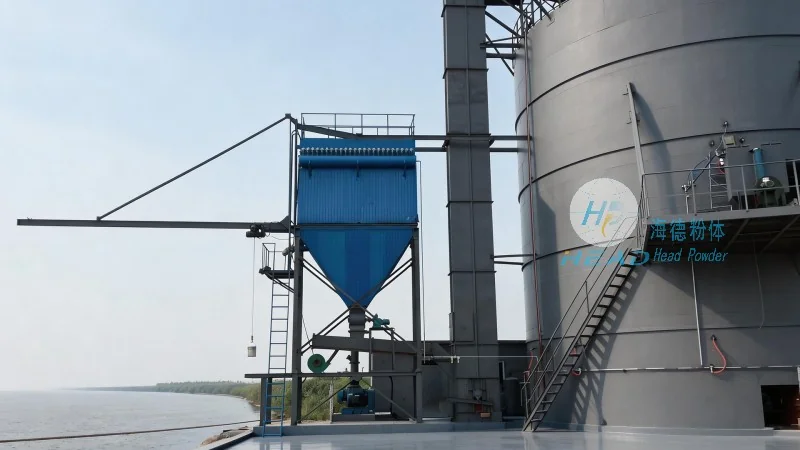
Introduction to Silicon Carbide Pneumatic Conveying Systems
Silicon carbide is a high-performance ceramic material widely used in various industries, including electronics, automotive, and aerospace, due to its exceptional hardness, thermal stability, and electrical conductivity. The transportation of SiC, especially in fine powder form, requires specialized equipment to prevent material degradation, blockages, and loss. A pneumatic conveying system offers a solution by using compressed air or other gases to transport the material through a pipeline network. This method is particularly advantageous for SiC because it minimizes contamination, reduces dust exposure, and enables precise control over the material flow.
About HeadPowder: Your Trusted Partner in Material Handling Solutions
HeadPowder, a leading manufacturer of industrial material handling equipment, specializes in designing and supplying advanced pneumatic conveying systems tailored to the unique needs of SiC processing. With years of experience in the field, HeadPowder has developed a reputation for delivering reliable, efficient, and durable solutions that meet the stringent requirements of modern manufacturing environments. The company's headquarters is located in Shandong, China, where its state-of-the-art facilities and skilled engineering team ensure the highest quality standards are maintained throughout the production process.
Core Design Principles of a Silicon Carbide Pneumatic Conveying System
The design of a silicon carbide pneumatic conveying system is based on several key principles to ensure optimal performance and longevity. First, the system must be capable of handling the abrasive nature of SiC, which can cause wear on components over time. Therefore, materials such as stainless steel, high-chrome alloys, or specialized coatings are often used for critical parts like the hopper, ducts, and valves. Second, the system must maintain a consistent air pressure and flow rate to prevent material bridging or blockages in the pipeline. This is achieved through the use of appropriate air compressors, filters, and pressure regulators that ensure a stable and controlled airflow.
Third, the system must be designed to minimize the risk of material degradation during transport. This involves controlling the velocity of the material-air mixture to avoid excessive impact or friction, which could cause particle breakage or agglomeration. Additionally, the system may incorporate features such as cyclone separators or filters to capture any fine particles that may escape, ensuring the material remains in its original form and preventing contamination of downstream equipment. Finally, the system must be scalable and adaptable to accommodate varying production volumes and material types, allowing for flexibility in different industrial applications.
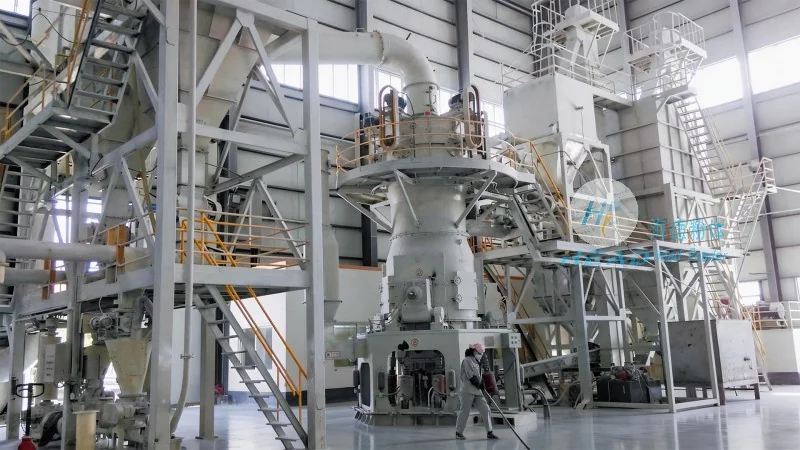
Key Components and Their Functions in the System
A silicon carbide pneumatic conveying system typically consists of several key components, each playing a critical role in the overall operation. The primary components include a material hopper, an air compressor or blower, a conveying line (usually made of metal or flexible tubing), and a receiver or discharge unit. The material hopper is designed to store the SiC and feed it into the system at a controlled rate, preventing overfilling and ensuring a steady supply of material. The air compressor generates the necessary pressure to move the material through the pipeline, with the pressure level determined by the distance and length of the conveying line.
The conveying line is the main pathway for transporting the SiC, and its design is critical to the system's efficiency. The diameter and length of the line are carefully selected to minimize pressure drop and energy consumption. Flexible hoses may be used for shorter or more flexible applications, while rigid metal pipes are preferred for longer or high-pressure systems. The line is equipped with various fittings, such as elbows, tees, and bends, which are designed to minimize turbulence and maintain a smooth flow of the material-air mixture. Valves, including inlet and outlet valves, are used to control the flow of material and air, allowing for precise regulation of the conveying process.
The receiver or discharge unit is where the SiC is collected after being transported through the system. This component is designed to handle the material efficiently and prevent spillage or contamination. It may include features such as a hopper or bin to store the material, and a discharge valve to control the release of the material into the next stage of the production process. In some cases, the receiver may also be equipped with a dust collection system to capture any fine particles that may escape, ensuring a clean and safe working environment.
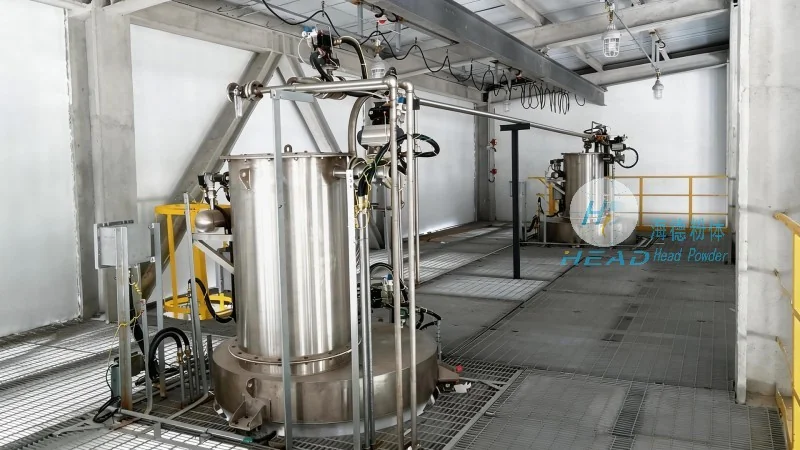
Advantages of Using a Silicon Carbide Pneumatic Conveying System
Implementing a silicon carbide pneumatic conveying system offers numerous advantages over traditional material handling methods. One of the most significant benefits is the reduction in labor costs and manual handling, as the system automates the entire transport process. This not only improves efficiency but also enhances workplace safety by minimizing the risk of dust exposure and material handling injuries. Additionally, the system reduces material loss and contamination, as the enclosed pipeline design prevents dust from escaping into the environment and ensures the material remains in its original state.
Another advantage is the ability to transport SiC over long distances without the need for multiple transfer points or intermediate storage. This allows for a more streamlined production process, with materials moving directly from the processing stage to the next stage of manufacturing. The system also provides precise control over the material flow rate, enabling manufacturers to adjust the speed of transport based on production requirements. This flexibility is particularly valuable in industries where production volumes fluctuate or where different material types need to be handled.
Furthermore, the use of a pneumatic conveying system for SiC reduces the need for additional equipment such as conveyors or elevators, which can be costly to install and maintain. The system's compact design and minimal footprint make it suitable for facilities with limited space, while its energy efficiency helps lower operational costs over time. By integrating a silicon carbide pneumatic conveying system into their operations, manufacturers can achieve higher productivity, improved product quality, and enhanced overall operational efficiency.
Conclusion: Optimizing SiC Handling with Advanced Pneumatic Conveying
In conclusion, a silicon carbide pneumatic conveying system is a critical component in modern industrial processes, providing an efficient and reliable method for transporting SiC materials. The design principles, including the use of durable materials, controlled airflow, and precise control mechanisms, ensure that the system operates effectively and safely. With the expertise of companies like HeadPowder, manufacturers can access high-quality pneumatic conveying solutions tailored to their specific needs, enabling them to optimize their material handling processes and achieve greater success in their respective industries.