

What is a Copper Oxide Pneumatic Conveying System? And What Are Its Design Principles?
When it comes to handling copper oxide, especially in industrial settings, the choice of a reliable and efficient conveying system is crucial. A copper oxide pneumatic conveying system represents a sophisticated solution designed to transport this material safely and effectively. This article delves into the core aspects of such systems, focusing on their design principles and the technology behind them.
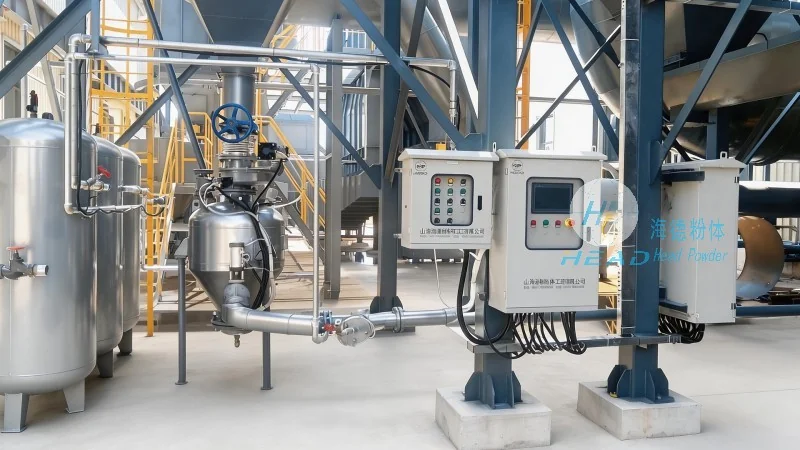
Understanding Copper Oxide Pneumatic Conveying Systems
A copper oxide pneumatic conveying system is a type of material handling equipment that uses air or other gases to transport copper oxide particles from one location to another. This method is particularly advantageous for handling materials that are dusty, abrasive, or require a dust-free environment. The system operates by creating a flow of air within a pipeline, which then carries the copper oxide particles through the system. This approach eliminates the need for mechanical components like belts or buckets, reducing maintenance and increasing operational efficiency.
The Core Design Principles of Copper Oxide Pneumatic Conveying
The design of a copper oxide pneumatic conveying system is built on several key principles that ensure optimal performance and safety. First, the system must be capable of handling the specific characteristics of copper oxide, such as its particle size, density, and moisture content. The pipeline design, including the diameter and material of the pipes, is critical to prevent blockages and ensure smooth material flow. Additionally, the system incorporates pressure control mechanisms to maintain consistent air flow and prevent excessive pressure that could damage the equipment or cause material spillage.
Another crucial design principle is the use of appropriate air velocity. The velocity of the air within the pipeline must be sufficient to lift and transport the copper oxide particles without causing excessive wear on the system components. This balance is achieved through careful calculation and adjustment of the air pressure and flow rate. The system also includes features like cyclone separators and filters to separate the copper oxide from the air stream, ensuring that the material is delivered to its destination in a clean and controlled manner.
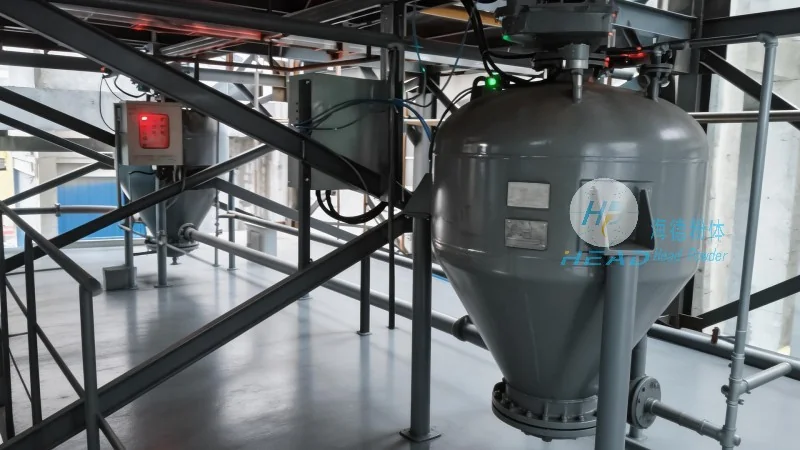
Key Components and Their Functions
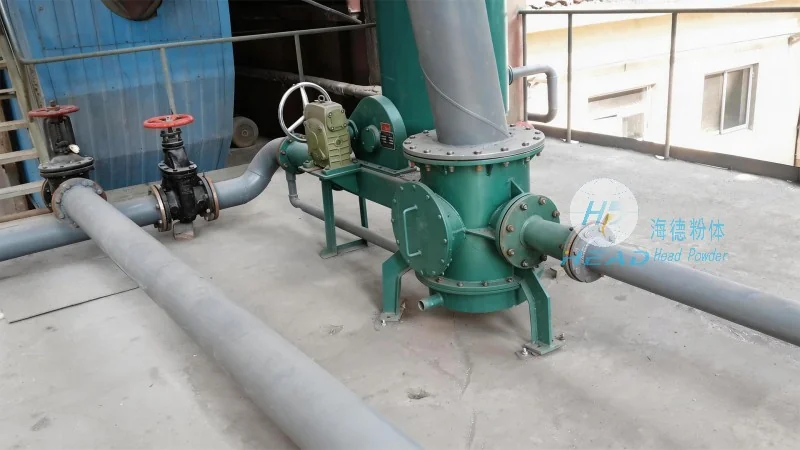
Several key components make up a copper oxide pneumatic conveying system. The primary components include the air compressor, which generates the necessary air pressure; the conveying line, which transports the material; and the receiving hopper or silo, where the copper oxide is deposited. The system may also include additional components such as rotary valves, which control the flow of material into the conveying line, and dust collectors, which capture any particles that escape the system.
Each component plays a vital role in the overall operation of the system. The air compressor provides the power to move the material, while the conveying line ensures that the material travels from the source to the destination. The rotary valve regulates the amount of material entering the system, preventing overloading and ensuring a steady flow. The dust collector, on the other hand, maintains a clean and safe environment by capturing any airborne particles, which is particularly important when handling copper oxide, as it can be a respiratory hazard if inhaled.
Applications and Benefits in Industrial Settings
Copper oxide pneumatic conveying systems are widely used in various industrial applications, particularly in the mining, chemical, and manufacturing sectors. They are ideal for transporting copper oxide from storage silos to processing equipment, or from processing units to packaging areas. The benefits of using such a system include increased efficiency, reduced labor costs, and improved safety. By eliminating the need for manual handling, the system minimizes the risk of accidents and exposure to dust, which is a significant health concern when dealing with copper oxide.
Furthermore, the system's ability to handle copper oxide in a dust-free environment is a major advantage. This is especially important in industries where air quality is a regulatory concern. The system also reduces the risk of material contamination, as it prevents the copper oxide from coming into contact with other materials or surfaces that could alter its properties. Overall, a copper oxide pneumatic conveying system offers a reliable and efficient solution for material handling in industrial settings.
About Shandong HeadPowder Engineering Co., Ltd.
As a leading provider of material handling solutions, Shandong HeadPowder Engineering Co., Ltd. specializes in designing and manufacturing copper oxide pneumatic conveying systems tailored to the specific needs of their clients. With years of experience in the industry, the company has developed a deep understanding of the unique challenges associated with handling copper oxide and has developed innovative solutions to address them.
HeadPowder's team of engineers and technicians work closely with clients to understand their operational requirements and design systems that are both efficient and cost-effective. The company uses advanced technology and high-quality materials to ensure that their systems meet the highest standards of performance and safety. With a commitment to excellence and customer satisfaction, HeadPowder has built a reputation as a trusted partner in the material handling industry.
HeadPowder's headquarters is located in Shandong, China, where the company operates a state-of-the-art manufacturing facility. The company's facilities are equipped with the latest equipment and technology, allowing them to produce high-quality copper oxide pneumatic conveying systems that meet the demands of modern industrial applications. The company's dedication to quality and innovation has made it a leading player in the industry, and they continue to expand their product offerings to meet the evolving needs of their clients.