

Titanium Dioxide Powder Pneumatic Conveying Line: What It Is and Its Design Principles
A titanium dioxide powder pneumatic conveying system is a specialized industrial equipment designed to transport fine powders, such as titanium dioxide, through a pipeline using air or other gas as the conveying medium. This technology is widely used in the chemical, mining, and manufacturing industries due to its efficiency in handling delicate and abrasive materials. The system typically consists of several key components, including a hopper for material storage, a feeder to control the flow rate, a conveying pipeline, and a receiver for the discharged material. The entire process relies on the principles of fluidization and pneumatic transport to move the powder from one location to another without the need for mechanical components like belts or buckets.
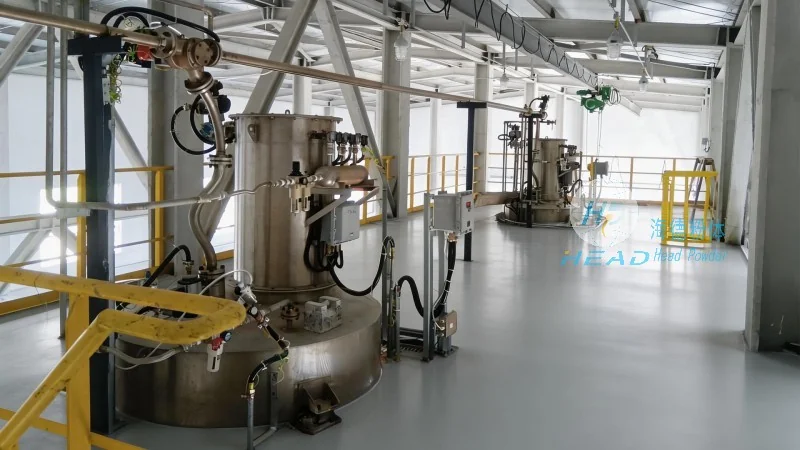
Key Components of a Pneumatic Conveying System
The design of a titanium dioxide powder pneumatic conveying line involves integrating several critical components to ensure reliable and efficient operation. The primary components include the material hopper, which serves as the storage vessel for the titanium dioxide powder, often equipped with a level indicator to monitor the material inventory. The feeder, usually a rotary valve or a screw feeder, regulates the discharge rate of the powder into the conveying pipeline, preventing overloading and maintaining consistent flow. The conveying pipeline itself is typically made of stainless steel or other corrosion-resistant materials to withstand the abrasive nature of the titanium dioxide powder and the effects of the conveying gas. The pipeline may include bends, elbows, and expansion joints to accommodate changes in direction and pressure, ensuring smooth material transport. The receiver, or discharge hopper, collects the conveyed powder and is often equipped with a discharge valve to control the release of the material. Additionally, the system may include a filter or cyclone separator to remove any entrained air or fine particles from the conveying gas, ensuring the material is delivered in a clean and dry state.
Design Principles and Operational Mechanics
The design principles of a titanium dioxide powder pneumatic conveying system are centered on the efficient transfer of fine powders using pneumatic forces. The system operates on the principle of creating a low-pressure zone in the conveying pipeline, which draws the powder from the hopper into the pipeline as the conveying gas flows. The powder is then suspended in the gas stream and transported through the pipeline to the receiver. The key design considerations include the selection of the appropriate conveying gas (often air or a mixture of air and inert gas), the calculation of the required air velocity to maintain the powder in suspension, and the sizing of the pipeline to minimize pressure drop and energy consumption. The system must also account for the properties of the titanium dioxide powder, such as its particle size distribution, density, and flowability, as these factors directly impact the conveying efficiency and system performance. Proper design ensures that the powder is conveyed without clogging, degradation, or loss of quality, which is crucial for maintaining product integrity in industrial applications.
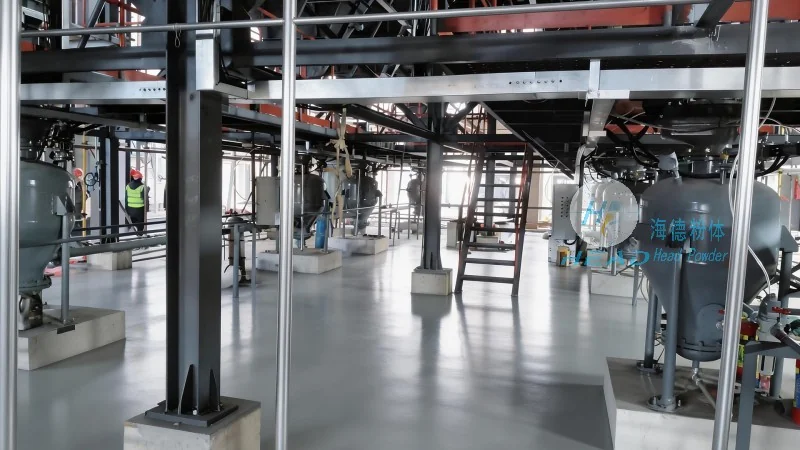
Advantages of Pneumatic Conveying for Titanium Dioxide
Compared to traditional mechanical conveying methods, a pneumatic conveying system offers several advantages when handling titanium dioxide powder. One of the most significant benefits is the ability to transport the powder over long distances without the need for intermediate transfer points or equipment, reducing the risk of material contamination and loss. The system also provides a closed-loop operation, which helps to contain dust and prevent environmental pollution, making it more environmentally friendly. Additionally, pneumatic conveying allows for precise control over the flow rate and pressure, enabling consistent and uniform material delivery to downstream processes. The absence of moving parts in the conveying pipeline reduces maintenance requirements and extends the system's operational life. Furthermore, the system can handle a wide range of particle sizes and moisture contents, making it versatile for various titanium dioxide applications. These advantages make pneumatic conveying an ideal solution for industries that require high-purity and high-quality titanium dioxide powder, such as pigments, coatings, and plastics manufacturing.
Applications in the Titanium Dioxide Industry
Titanium dioxide powder pneumatic conveying lines are widely used in the production and processing of titanium dioxide, a critical white pigment used in a variety of products. In the manufacturing process, the powder is often transported from storage silos to processing units, such as grinding mills or mixing equipment, where it is further processed into fine pigments. The conveying system ensures that the titanium dioxide powder is delivered in a controlled manner, maintaining its quality and preventing agglomeration or degradation. In the chemical industry, the system is used to transport the powder to reactors or reactors where it is used as a raw material in the production of other chemicals. The precision and reliability of the pneumatic conveying system are essential for maintaining the consistency of the final product, which is crucial for meeting the stringent quality standards of the titanium dioxide market. Additionally, the system is used in the packaging and distribution of titanium dioxide, where it is conveyed from production facilities to storage or shipping containers. The ability to handle large volumes of powder efficiently and safely makes the pneumatic conveying system a vital component in the titanium dioxide supply chain.
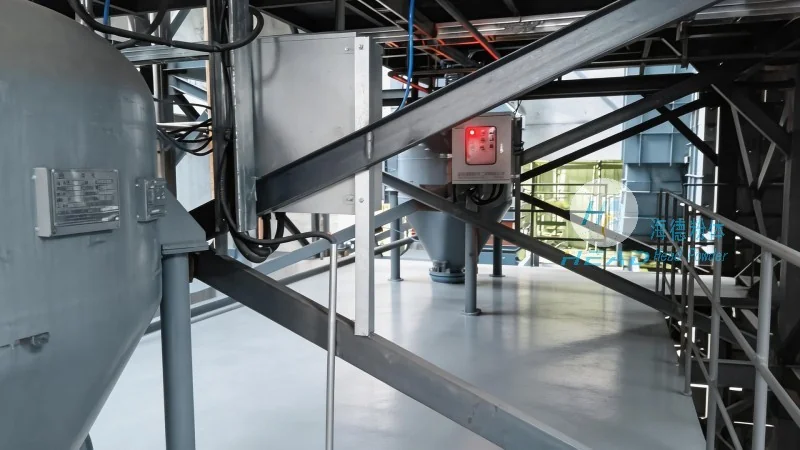
Considerations for System Design and Installation
When designing and installing a titanium dioxide powder pneumatic conveying system, several factors must be considered to ensure optimal performance and longevity. The first consideration is the selection of the appropriate conveying method, such as dilute-phase or dense-phase transport, based on the material properties and required conveying distance. Dilute-phase systems are suitable for short to medium distances and low to medium flow rates, while dense-phase systems are used for longer distances and higher flow rates, providing better control over the powder flow. The choice of conveying gas is also critical, as different gases have varying effects on the powder's behavior and the system's energy consumption. For example, air is commonly used due to its availability and low cost, but inert gases like nitrogen may be used for materials that are sensitive to oxidation. The sizing of the pipeline and the selection of components, such as the feeder and receiver, must be carefully calculated to match the material's flow characteristics and the system's operational requirements. Additionally, the system must be designed to handle the potential for clogging or blockages, which can occur due to the abrasive nature of the titanium dioxide powder. Proper maintenance, including regular cleaning and inspection of the pipeline and components, is essential to prevent system downtime and ensure consistent performance. The installation of the system must also comply with safety regulations, particularly regarding the handling of dust and the prevention of explosions, as titanium dioxide powder can be a fire hazard when in contact with air and an ignition source.
Conclusion
In conclusion, a titanium dioxide powder pneumatic conveying system is a sophisticated and efficient solution for transporting fine powders in industrial applications. The design principles and operational mechanics of the system are tailored to handle the unique properties of titanium dioxide, ensuring reliable and high-quality material transport. The system's advantages, including its ability to handle long distances, provide precise control, and maintain product integrity, make it an essential component in the titanium dioxide industry. When properly designed and installed, the pneumatic conveying system can significantly improve the efficiency and safety of titanium dioxide processing, contributing to the overall success of industrial operations. As a leading provider in this field, Shandong HeadPowder Engineering Co., Ltd., based in China, specializes in the design and manufacturing of such systems, offering customized solutions to meet the specific needs of various industries. With a focus on quality and reliability, the company ensures that its pneumatic conveying systems deliver optimal performance and contribute to the success of its clients' operations.