

What is a Straw Ash Pneumatic Conveying System? And What Are Its Design Principles?
Straw ash, a byproduct of biomass combustion processes, often requires efficient and reliable handling systems for transportation and processing. A straw ash pneumatic conveying system is a specialized piece of equipment designed to transport this material through a pipeline using air pressure or suction. This technology is crucial in industries such as biomass energy, agricultural waste management, and environmental remediation, where the effective movement of straw ash is essential for operational efficiency and environmental compliance. Such systems are commonly engineered by companies like Shandong HeadPowder Engineering Co., Ltd., based in China, which specializes in the design and manufacturing of advanced material handling solutions.
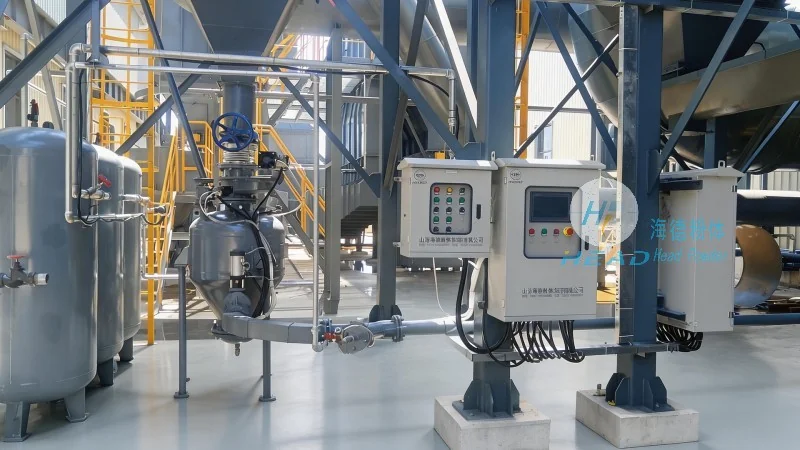
Understanding the Core Components of a Straw Ash Pneumatic Conveying System
The design of a straw ash pneumatic conveying system involves several key components that work in tandem to ensure the smooth and efficient transport of straw ash. These components include the hopper, which serves as the storage and feeding unit, the conveying line (usually made of metal or plastic pipes), the air mover (either a positive displacement blower or a vacuum pump), and the control system that regulates the flow and pressure within the system. Each component plays a vital role in maintaining the integrity of the material and ensuring consistent performance.
How Pneumatic Conveying Works: The Principles Behind the Design
The fundamental principle of pneumatic conveying is the use of air to move solid particles through a pipeline. In the case of straw ash, which is typically a fine to medium-sized particulate material, the system can operate in either pressure or vacuum mode. Pressure systems use compressed air to push the material forward, while vacuum systems use suction to draw the material into the line. The design of the system must consider factors such as the particle size distribution, moisture content, and bulk density of the straw ash, as these characteristics directly impact the air velocity required for effective transport. Proper air velocity is critical to prevent material deposition, blockages, or excessive wear on the system components.
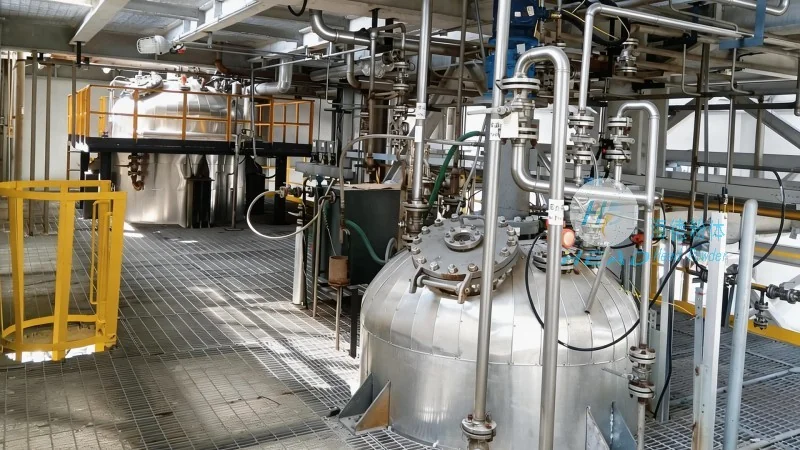
The Role of Hopper and Feeding Mechanisms in System Performance
The hopper is a critical component that ensures a consistent and controlled feed of straw ash into the conveying line. It is typically designed with a sloped bottom to facilitate material flow and may include a rotary valve or a screw feeder to regulate the discharge rate. The design of the hopper must account for the material's flow properties, such as its angle of repose and cohesion, to prevent bridging or arching that could disrupt the feeding process. A well-designed hopper ensures that the material is introduced into the conveying line at a uniform rate, which is essential for maintaining stable system performance and preventing pressure fluctuations that could lead to system failures.
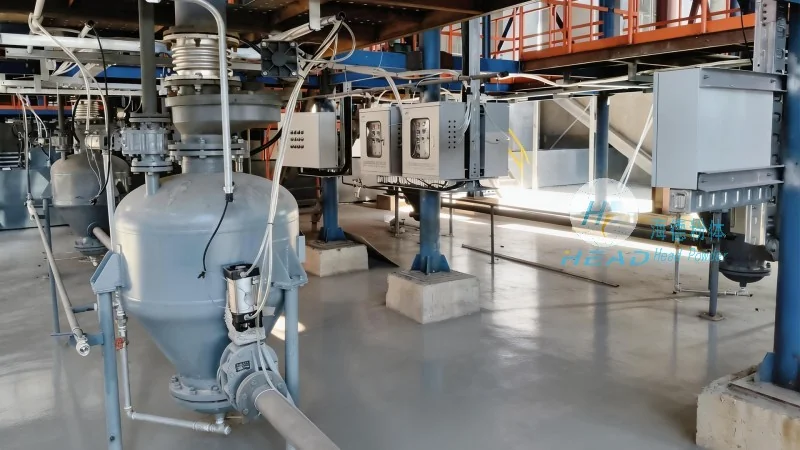
Conveying Line Design and Material Handling Considerations
The conveying line itself is a key element of the system, and its design must be tailored to the characteristics of the straw ash. Materials such as stainless steel or high-density polyethylene are commonly used for the pipes to withstand the abrasive nature of the ash and resist corrosion. The line is typically equipped with bends, elbows, and expansion joints to accommodate changes in direction and prevent excessive pressure drops or material wear. The diameter of the line is also critical, as it must be large enough to handle the material flow without causing excessive air velocity or pressure losses. Proper line design ensures that the material is conveyed efficiently and with minimal energy consumption.
Air Mover Selection and System Pressure Management
The air mover, whether a positive displacement blower or a vacuum pump, is responsible for generating the necessary air flow and pressure to transport the straw ash. The selection of the air mover depends on the system's operating mode (pressure or vacuum) and the required air volume and pressure. Positive displacement blowers are often used in pressure systems, as they can provide high pressure and consistent flow rates. Vacuum pumps are typically used in suction systems, as they can create a sufficient negative pressure to draw the material into the line. The design of the system must also include pressure relief valves and filters to protect the air mover and maintain air quality. Proper pressure management is essential to prevent overloading the air mover and to ensure the system operates within its safe operating limits.