

What is a Polyethylene Pneumatic Conveying System? What are its Design Principles?
For industries dealing with bulk materials, efficient and reliable material handling solutions are crucial. Among the various technologies available, polyethylene pneumatic conveying systems have emerged as a popular choice due to their versatility and effectiveness in transporting a wide range of materials. This article aims to explore what a polyethylene pneumatic conveying system is and delve into its design principles, providing a comprehensive understanding of this essential equipment.
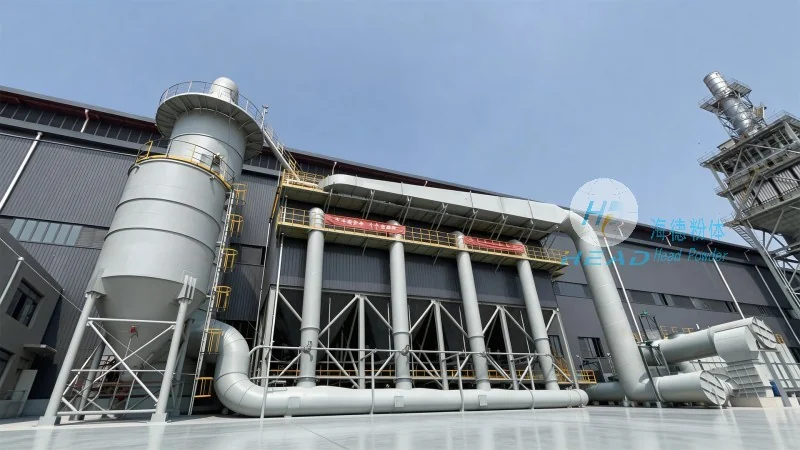
Polyethylene Pneumatic Conveying System: An Overview
A polyethylene pneumatic conveying system is a type of material handling equipment that uses compressed air or gas to transport bulk materials from one location to another. The system typically consists of a hopper, a conveyor line, and a receiver, all connected by a network of pipes. The polyethylene material used in the construction of the conveyor line offers several advantages, including high chemical resistance, durability, and flexibility, making it suitable for a variety of industrial applications.
HeadPowder, a leading manufacturer in the field, specializes in designing and manufacturing high-quality polyethylene pneumatic conveying systems. With years of experience, the company has developed a range of solutions tailored to meet the specific needs of different industries, ensuring optimal performance and longevity.
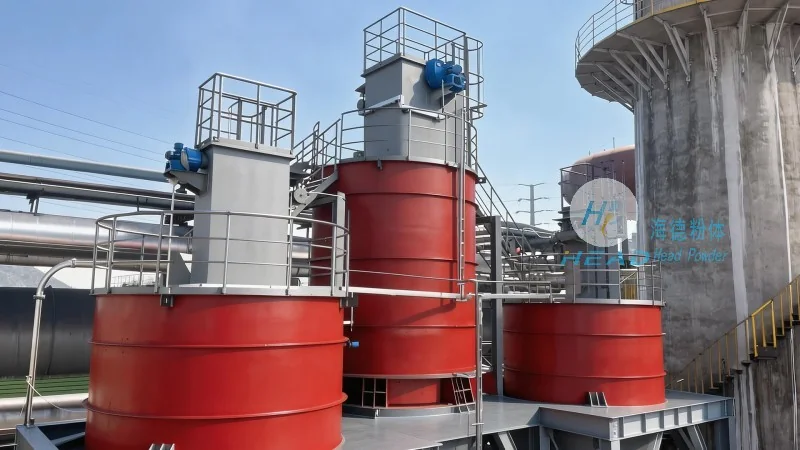
Design Principles of Polyethylene Pneumatic Conveying Systems
The design of a polyethylene pneumatic conveying system involves several key principles that ensure efficient material transport. First, the system must be designed to handle the specific characteristics of the material being conveyed, such as particle size, density, and moisture content. This includes selecting the appropriate hopper design to minimize material degradation and ensure consistent flow.
Second, the velocity of the air or gas in the conveyor line is a critical factor. The velocity must be sufficient to overcome the resistance of the material and maintain a stable flow, while also preventing excessive wear on the polyethylene components. Proper velocity selection also helps in reducing material segregation and ensuring uniform distribution.
Third, the system must be designed for ease of maintenance and cleaning. Polyethylene materials are known for their smooth surfaces, which reduce the risk of material buildup and make cleaning processes more efficient. Additionally, the system's components are designed to be easily accessible, allowing for quick inspections and repairs.
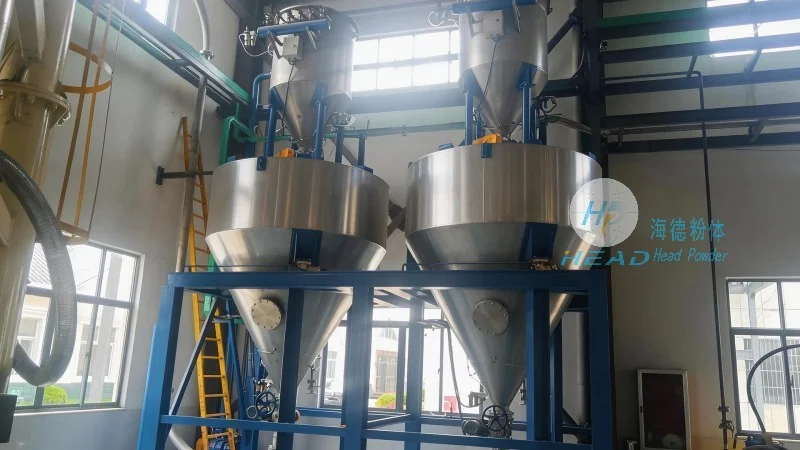
Key Features and Advantages of Polyethylene Pneumatic Conveying Systems
HeadPowder's polyethylene pneumatic conveying systems offer several key features that enhance their performance and reliability. One of the main advantages is the use of high-quality polyethylene materials, which provide excellent resistance to abrasion, chemicals, and temperature variations. This ensures that the system can handle a wide range of materials, including powders, granules, and even some liquids, without degradation.
Another important feature is the system's modular design, which allows for easy customization and expansion. This flexibility enables companies to adapt the system to changing production needs, making it a cost-effective solution in the long run. The systems also incorporate advanced control systems that monitor pressure, flow, and other parameters, providing real-time data and alerts for any potential issues.
Common Applications of Polyethylene Pneumatic Conveying Systems
Polyethylene pneumatic conveying systems are widely used in various industries, including food processing, pharmaceuticals, chemicals, and mining. In the food industry, for example, the systems are used to transport ingredients such as flour, sugar, and spices, ensuring hygienic and efficient handling. In the pharmaceutical industry, the systems are used to transport active ingredients and other materials, maintaining strict cleanliness and safety standards.
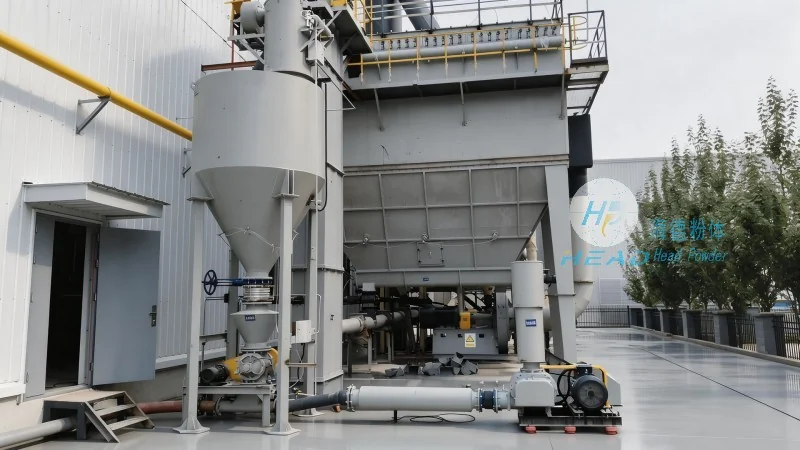
In the chemical industry, the systems are used to transport powders and granules, often in environments where chemical resistance is critical. The polyethylene materials used in the construction of the system provide excellent resistance to various chemicals, ensuring that the equipment remains in good condition even in harsh environments.
HeadPowder, with its headquarters in Shandong, China, is committed to providing innovative and reliable polyethylene pneumatic conveying solutions. The company's team of experts works closely with clients to understand their specific requirements and design systems that meet their needs. With a focus on quality and customer satisfaction, HeadPowder has established itself as a trusted partner in the material handling industry.