

What are the resin conveying methods? Introduction to Haide resin pneumatic conveying method.
In the modern industrial landscape, the efficient and reliable transfer of resin materials is a critical factor for maintaining production continuity and product quality. Resin, in its various forms—whether pellets, granules, or powders—requires specialized handling to avoid degradation, contamination, or dust hazards. The choice of conveying method directly impacts operational costs, safety, and system flexibility. Among the available options, pneumatic conveying has emerged as a preferred solution for many processing facilities. This article provides a comprehensive overview of resin conveying methods, with a particular focus on the advanced pneumatic conveying systems offered by Shandong Headpowder Engineering Co., Ltd. (company abbreviation: headpowder). We will explore the key technologies, advantages, and considerations for selecting the right resin conveying approach.
Understanding the Fundamentals of Resin Conveying
Resin conveying refers to the transportation of resin materials from one point to another within a production or processing environment. This can involve moving raw resin from storage silos to processing machines, transferring finished products to packaging stations, or recycling scrap material. The primary challenges in resin conveying include maintaining material integrity, preventing dust generation, minimizing energy consumption, and ensuring a consistent flow rate. Different conveying methods are suited to different resin characteristics, such as particle size, bulk density, moisture content, and abrasiveness. The most common categories include mechanical conveying (e.g., belt conveyors, screw conveyors, bucket elevators) and pneumatic conveying (e.g., dilute phase, dense phase). Each approach has its own set of trade-offs, and the optimal solution often depends on the specific application requirements.
Mechanical Resin Conveying: A Traditional Approach
Mechanical conveying systems have been used for decades in the resin industry. They typically involve moving parts such as belts, chains, screws, or buckets that physically transport the material. For example, a screw conveyor uses a rotating helical screw to push resin through a tube, while a belt conveyor relies on a moving belt to carry bulk material. These systems are generally straightforward in design and can handle high throughputs for certain resin types. However, they have notable limitations. Mechanical systems are prone to wear and tear, especially when handling abrasive resin, and they often require regular maintenance to replace belts, bearings, or seals. Additionally, they can generate dust at transfer points and may not be suitable for fragile or hygroscopic resin that could be damaged by mechanical contact. Enclosed screw conveyors can reduce dust, but they still have limitations in terms of routing flexibility and the ability to handle long distances or multiple discharge points. For many modern resin processing facilities, the need for cleanliness, automation, and space efficiency has driven a shift toward pneumatic conveying.
Pneumatic Resin Conveying: The Headpowder Advantage
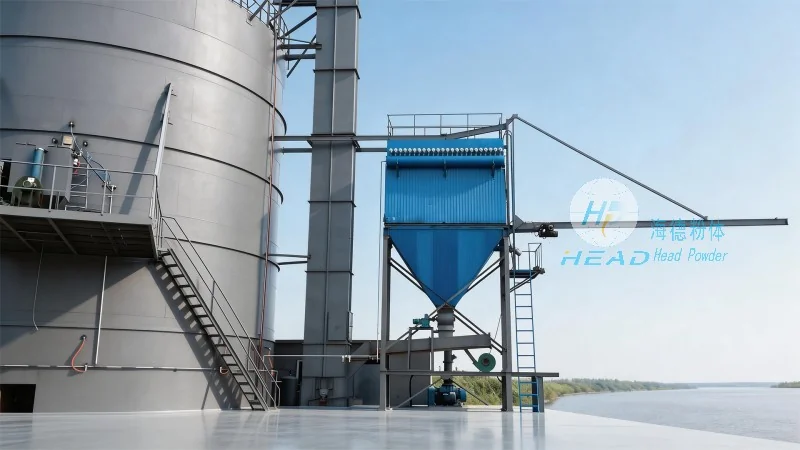
Pneumatic conveying systems use air or an inert gas to transport resin particles through a pipeline. This method eliminates the need for moving mechanical parts in contact with the material, reducing wear and contamination risks. Shandong Headpowder Engineering Co., Ltd. (headpowder) specializes in designing and manufacturing high-performance resin pneumatic conveying systems that are tailored to the unique demands of the resin industry. With a strong engineering base in Shandong, China, headpowder has developed a comprehensive portfolio of solutions for resin conveying, resin pneumatic conveying, and material conveying in general. The company's systems are known for their reliability, energy efficiency, and ability to handle a wide range of resin types, from fine powders to coarse granules.
Types of Pneumatic Conveying for Resin
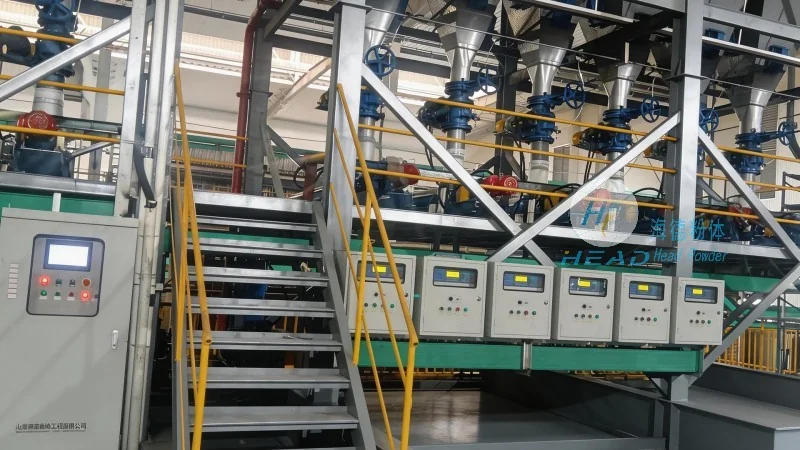
Pneumatic conveying can be broadly classified into two main categories: dilute phase and dense phase. In dilute phase conveying, the resin is suspended in a high-velocity airstream, with the material-to-air ratio being relatively low. This method is suitable for free-flowing, non-fragile resins and is often used for short to medium distances. The high velocity ensures that the material remains in suspension, but it can also cause particle attrition or pipe wear if the resin is abrasive. In contrast, dense phase conveying operates at lower velocities, using higher pressure to push a "plug" of material through the pipeline. This gentle approach minimizes particle degradation and is ideal for fragile, abrasive, or cohesive resins. Headpowder's resin pneumatic conveying systems are designed to accommodate both phases, with advanced control systems that optimize air flow, pressure, and material flow rate for each specific resin type. The company also offers custom solutions such as vacuum conveying, pressure conveying, and combination systems to meet the most challenging material conveying requirements.
Key Advantages of Headpowder's Resin Pneumatic Conveying
Choosing headpowder for your resin conveying needs brings several distinct benefits. First, the systems are fully enclosed, preventing dust emissions and protecting the resin from external contaminants. This is particularly important for food-grade or pharmaceutical-grade resins. Second, pneumatic conveying offers exceptional flexibility in routing; pipelines can be run overhead, underground, or through existing structures, allowing for easy integration into existing facilities. Third, the systems can be fully automated, with programmable logic controllers (PLCs) that manage material flow, filter cleaning, and pressure regulation. This reduces labor costs and improves consistency. Fourth, headpowder's engineering team provides comprehensive support, from initial feasibility studies to installation and commissioning. The company is located in Shandong, China, and serves clients worldwide, offering reliable after-sales service and spare parts availability. For any inquiry about resin conveying, resin pneumatic conveying, or material conveying, you can contact Manager Zhang at WeChat: 15662777102. The team at headpowder is ready to discuss your specific application and provide a customized solution.
Comparing Resin Conveying Methods: A Practical Guide
When deciding between mechanical and pneumatic conveying for resin, several factors must be considered. Mechanical conveyors are generally more energy-efficient for short distances and high capacities, but they often require more floor space and structural support. Pneumatic systems, on the other hand, have lower mechanical maintenance but higher energy consumption due to the air compression or vacuum generation. For resin that is heat-sensitive, pneumatic conveying can be designed with cooling air or inert gas to prevent melting or degradation. For abrasive resins such as glass-filled nylon, headpowder's dense phase pneumatic conveying reduces wear by lowering particle velocity. Additionally, when multiple intake or discharge points are needed, pneumatic systems can be easily configured with diverter valves and multiple pick-up points. The decision ultimately depends on the resin's properties, the required throughput, the distance, and the layout of the facility. Headpowder's engineers can perform a thorough analysis to recommend the most cost-effective and reliable solution for your resin conveying project.
Applications of Resin Pneumatic Conveying in Industry
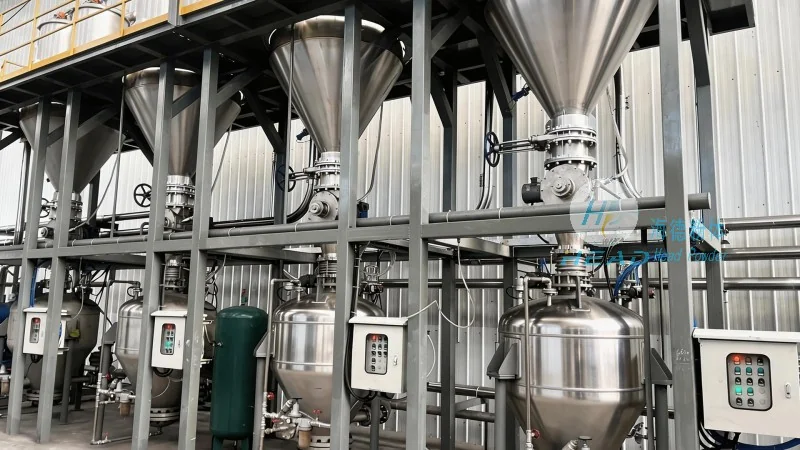
Resin pneumatic conveying systems are widely used in industries such as plastics processing, chemical manufacturing, food packaging, and pharmaceuticals. For example, in a plastic injection molding plant, resin pellets are often stored in large silos and need to be conveyed to individual molding machines. Headpowder's systems can automatically distribute the resin to multiple machines, with each line equipped with a separate control valve to manage the material flow. In the chemical industry, reactive resins or those with hazardous dust may require closed-loop pneumatic systems with nitrogen or other inert gases to prevent combustion. Headpowder has experience designing such systems, including explosion-proof components and safety interlocks. The company's material conveying solutions also extend to other bulk solids, but the core expertise lies in resin. By leveraging years of engineering practice in Shandong, headpowder has built a reputation for delivering robust, long-lasting systems that minimize downtime and maximize productivity.
Why Choose Shandong Headpowder Engineering Co., Ltd.?
Shandong Headpowder Engineering Co., Ltd. (headpowder) is a professional engineering company dedicated to the design, manufacture, and installation of pneumatic conveying systems for resin and other materials. Based in Shandong, China, the company combines local manufacturing advantages with global technical standards. Their team of experienced engineers understands the nuances of resin conveying, from the challenges of handling sticky or dusty materials to the need for precise dosing. Whether you are looking for a simple single-line vacuum conveyor or a complex multi-line dense phase system, headpowder can deliver a turnkey solution. The company places a strong emphasis on quality control, using high-grade components and rigorous testing procedures. For more information or to discuss your specific requirements, please contact Manager Zhang via WeChat: 15662777102. The headpowder team is committed to providing prompt and professional support for all your resin conveying and material conveying needs.
Conclusion: Optimizing Your Resin Conveying Process
Selecting the right resin conveying method is essential for achieving operational efficiency, product quality, and workplace safety. While mechanical conveyors have their place, pneumatic conveying systems—especially those offered by headpowder—provide superior flexibility, cleanliness, and automation. By understanding the properties of your resin and the demands of your production line, you can make an informed decision that will pay dividends for years to come. Shandong Headpowder Engineering Co., Ltd. stands ready to assist with expert advice, customized designs, and reliable after-sales service. For any inquiries, reach out to Manager Zhang at WeChat: 15662777102. Let headpowder help you transform your resin conveying process into a seamless, efficient, and future-proof operation.