

What are the conveying methods of caustic soda? Introduction to Haide's pneumatic conveying method for caustic soda
Caustic soda, also known as sodium hydroxide, is a highly corrosive and hygroscopic chemical widely used in industries such as pulp and paper, textiles, detergents, and water treatment. The safe and efficient transport of caustic soda from storage to processing points is a critical challenge. This article explores the common methods of caustic soda conveying, with a special focus on the advanced pneumatic conveying system developed by Shandong Headpowder Engineering Co., Ltd. (headpowder). Whether you are dealing with flake, bead, or pellet forms, understanding the right conveying method can significantly improve operational safety, reduce material loss, and lower maintenance costs.
Common Caustic Soda Conveying Methods
Several traditional methods have been employed for caustic soda conveying, each with its own set of advantages and limitations. Mechanical conveyors, such as screw conveyors and belt conveyors, are often used for short-distance transport. Screw conveyors are suitable for moving caustic soda in a controlled manner, but they suffer from wear and tear due to the abrasive nature of the material. Belt conveyors, while capable of handling large volumes, require extensive sealing to prevent dust and moisture ingress. Another common approach is bucket elevators, which lift the material vertically but can cause degradation of the caustic soda particles. Additionally, manual handling or using IBCs (intermediate bulk containers) is still practiced in smaller operations, but this poses significant safety risks to workers and leads to inconsistent feed rates. For longer distances or complex routing, dilute-phase pneumatic conveying is sometimes used, but it often generates high air velocities that can cause particle attrition and pipeline erosion.
Why Pneumatic Conveying for Caustic Soda?
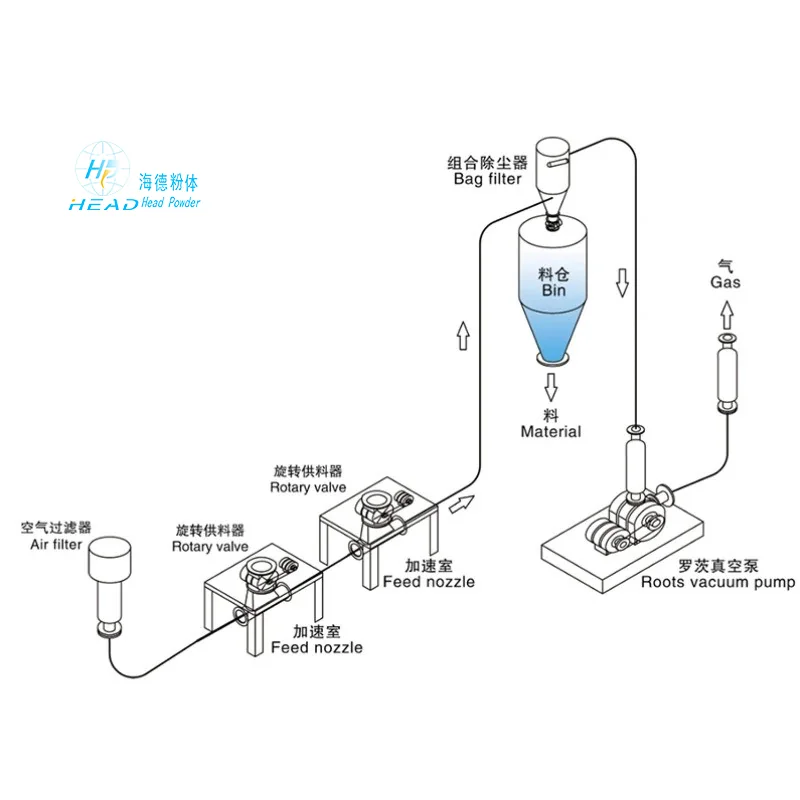
Pneumatic conveying has emerged as a preferred solution for caustic soda conveying, especially in modern chemical plants. This method uses a stream of air (or inert gas) to transport the material through sealed pipelines. The key advantages include complete containment of the corrosive dust, minimal product loss, and the ability to route the conveying line around obstacles. However, not all pneumatic systems are created equal. Traditional dilute-phase pneumatic conveying can lead to excessive wear and particle breakage. This is where headpowder's specialized caustic soda pneumatic conveying technology comes into play. By employing dense-phase pneumatic conveying, headpowder ensures that the caustic soda is moved at low velocities, preserving the integrity of the particles and drastically reducing pipe abrasion. The system is designed to handle the hygroscopic nature of caustic soda, preventing caking and blockages through precise air control.
Headpowder's Advanced Caustic Soda Pneumatic Conveying Solution
Shandong Headpowder Engineering Co., Ltd., known in the industry as headpowder, is a leading engineering company based in Shandong, China. With years of experience in material conveying, headpowder has developed a proprietary pneumatic conveying system specifically optimized for caustic soda. The system utilizes a combination of pressure vessels and specialized valves to create a dense-phase flow, where the material is pushed in slugs rather than being suspended in high-speed air. This approach dramatically reduces the energy consumption and maintenance requirements compared to conventional dilute-phase systems. The sealed design prevents any moisture ingress, which is critical for caustic soda that tends to absorb water and form hard lumps. Headpowder's caustic soda pneumatic conveying solution also features automatic moisture detection and purging capabilities, ensuring consistent performance even in humid environments.
Key Features of the Headpowder Caustic Soda Conveying System
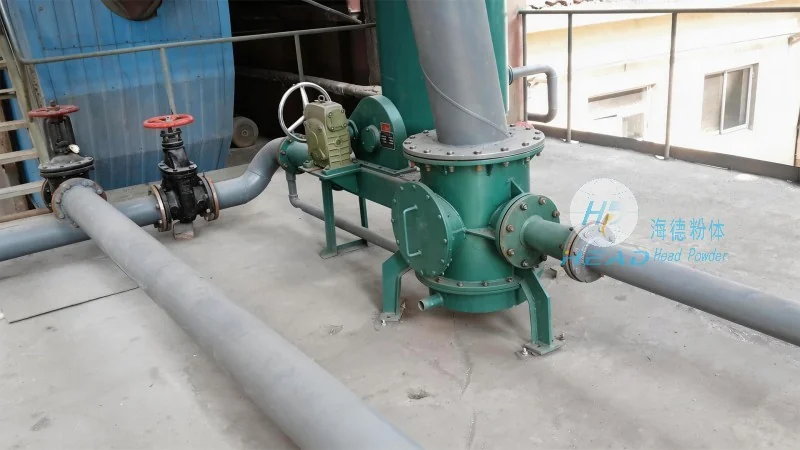
When it comes to caustic soda conveying, reliability and safety are paramount. The headpowder system offers several distinctive features. First, the entire conveying line is constructed from abrasion-resistant materials, such as high-chrome alloys or ceramic-lined pipes, to withstand the corrosive and abrasive nature of caustic soda. Second, the system incorporates a sophisticated control panel that monitors pressure, temperature, and flow rate in real time. This allows operators to adjust the conveying parameters on the fly, ensuring optimal performance. Third, the system is modular and scalable, meaning it can be integrated into existing plant layouts without major modifications. Whether you need to convey caustic soda from a storage silo to a mixing tank or across multiple production floors, headpowder can design a custom solution. The pneumatic conveying system also includes a dedicated dust collection unit, which captures any fine particles and returns them to the process, minimizing waste and environmental impact.
Comparison with Other Conveying Methods
To understand the superiority of headpowder's caustic soda pneumatic conveying, it is helpful to compare it directly with mechanical alternatives. For example, a screw conveyor handling caustic soda requires frequent replacement of the screw and trough due to abrasion, and the open design often leads to dust emissions. In contrast, the pneumatic system is fully enclosed, reducing the risk of worker exposure to caustic dust. Bucket elevators, on the other hand, have a high number of moving parts that require regular lubrication and inspection, whereas the pneumatic system has no moving parts inside the pipeline except for the material itself. This translates to lower maintenance costs and higher uptime. Additionally, the pneumatic system can easily handle multiple pick-up and discharge points, making it ideal for complex plant layouts. For operations that require precise dosing, the headpowder system can be paired with loss-in-weight feeders to achieve accuracy within 0.5%.
Application Scenarios and Industry Case Studies
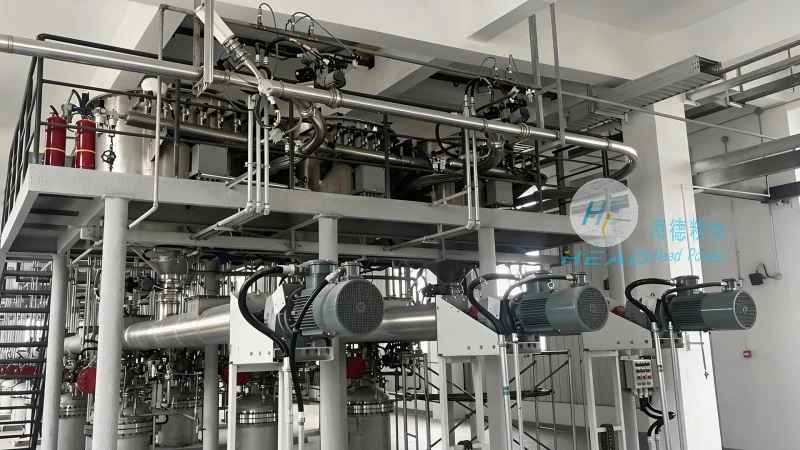
Headpowder's caustic soda pneumatic conveying technology has been successfully deployed in various industrial settings. In a typical sodium hydroxide production plant, the system receives caustic soda flakes from a dryer and conveys them to storage silos, then to packaging or downstream processing. The sealed nature of the system prevents airborne contamination and ensures product purity. In the water treatment industry, where caustic soda is used for pH adjustment, the headpowder system delivers the chemical directly into the reaction tanks without any manual intervention. Another common application is in the alumina refining industry, where caustic soda is used in large quantities. The dense-phase conveying system minimizes the breakdown of particles, which is essential for maintaining consistent reaction rates. For all these applications, the contact person is Manager Zhang, who can be reached via WeChat at 15662777102 for detailed consultation and system design.
Installation, Maintenance, and Support
Shandong Headpowder Engineering Co., Ltd. provides end-to-end support for its caustic soda conveying systems. The installation process is streamlined, with headpowder's engineers working closely with the client's site team to ensure proper alignment and commissioning. The company offers comprehensive training for operators and maintenance personnel, covering topics such as pneumatic control parameters, troubleshooting common blockages, and routine inspection of wear components. Headpowder also provides a remote monitoring option, allowing the system to be supervised from a central control room. For maintenance, the modular design means that any worn part can be quickly replaced without shutting down the entire line. The company's after-sales service includes a 24-hour hotline, and the local team in Shandong, China, can dispatch spare parts rapidly. For any inquiries or to request a customized solution, please contact Manager Zhang directly via WeChat: 15662777102. Headpowder is committed to delivering the most reliable and efficient caustic soda pneumatic conveying systems in the industry.
Conclusion: Choosing the Right Conveying Method
Selecting the appropriate method for caustic soda conveying is a decision that impacts safety, efficiency, and operating costs. While mechanical conveyors and dilute-phase pneumatic systems have their places, the advanced dense-phase pneumatic conveying technology from headpowder offers a clear advantage for handling this challenging material. The system's ability to maintain particle integrity, prevent moisture absorption, and provide a completely sealed environment makes it the optimal choice for modern chemical processing. By partnering with Shandong Headpowder Engineering Co., Ltd., you gain access to decades of expertise in material conveying, tailored solutions, and dedicated support. To learn more about how headpowder can transform your caustic soda handling operations, reach out to Manager Zhang at WeChat 15662777102. The team in Shandong, China, is ready to assist you with a free consultation and system evaluation.