News
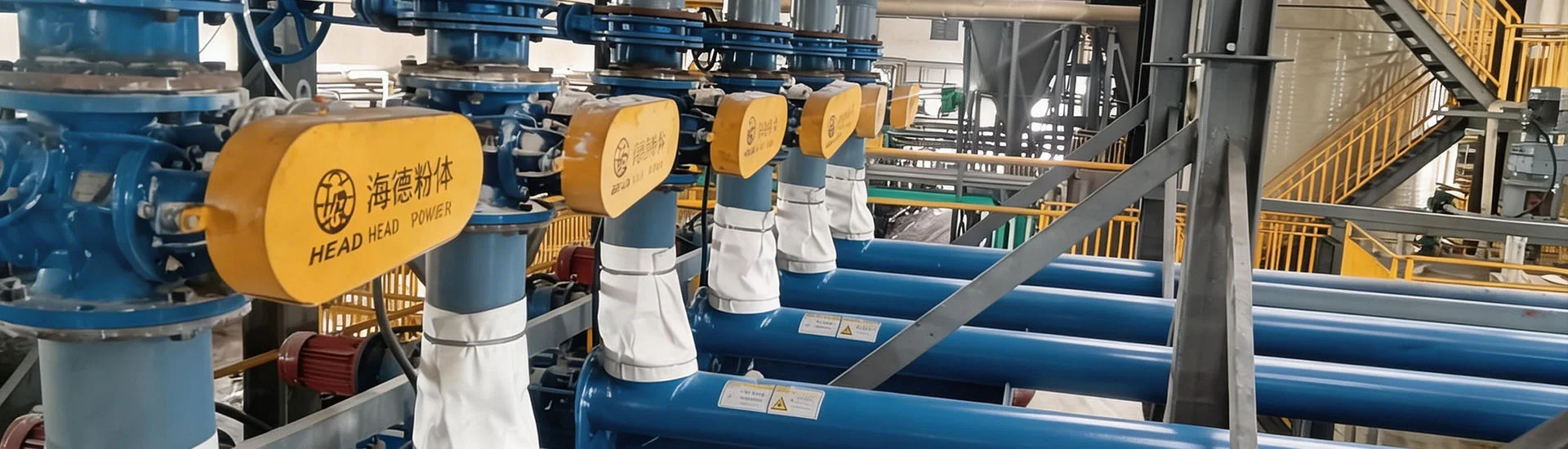
Rich project cases across industries, showing real implementation and proven technical strength.In the evolving landscape of industrial material handling, the efficient movement of carburizer powders has become a critical factor for steelmaking, foundries, and carbon additive production. Carburizer powders—typically consisting of calcined petroleum coke, graphitized carbon, or anthracite coal—are fine, abrasive, and prone to segregation. Their conveyance demands a system that ensures consistent flow, minimal degradation, and operational safety. Pneumatic conveying systems have emerged as the preferred solution, leveraging compressed air or inert gas to transport these powders through pipelines with precision and reliability. As global steel output continues to rise—projected to exceed 2.0 billion metric tons by 2026 according to industry analyses—the demand for high-efficiency, low-emission powder handling technologies is accelerating. This article provides a comprehensive, technically grounded exploration of carburizer powder pneumatic conveying, covering system selection, key design parameters, operational best practices, and emerging trends. Whether you are a plant engineer evaluating a new installation or a procurement specialist optimizing existing lines, understanding these principles will help you achieve higher throughput, reduced energy consumption, and longer equipment life. At headpowder, we have dedicated decades to perfecting pneumatic solutions for carbon-based powders, integrating field-tested components and intelligent controls to meet the most demanding industrial requirements.
Carburizer powders are not generic bulk solids; they possess unique physical and chemical characteristics that directly influence conveying behavior. Particle size distribution typically ranges from 0–0.5 mm for fine powders to 1–5 mm for granular grades. Fines content below 100 mesh can exceed 30%, leading to high dust generation and electrostatic charging. The bulk density varies from 0.5–0.8 g/cm³ for petroleum coke-based products to 0.9–1.2 g/cm³ for graphitized variants, while the angle of repose often exceeds 40°, indicating poor flowability. Additionally, these materials are abrasive, with Mohs hardness around 2–3 for calcined coke but significantly higher for certain graphitized grades. Moisture absorption is another concern; even 1–2% moisture can cause bridging in hoppers and blockages in pneumatic lines. These properties necessitate a conveying approach that minimizes particle attrition, prevents dust explosions, and maintains consistent feed rates. A poorly designed system can lead to pipeline erosion, product contamination, and frequent downtime. For example, a common mistake is using dilute-phase pneumatic conveying with high air velocity for fine carburizer powders—this accelerates wear and generates excessive fines. In contrast, dense-phase or plug-flow systems, operating at lower velocities, preserve particle integrity and reduce energy consumption. The selection between pressure and vacuum systems also hinges on these material traits. Pressure systems are generally more suitable for long-distance transport of abrasive powders, while vacuum systems excel in dust containment and multiple pickup points. Understanding these fundamentals allows engineers to match system architecture to the specific powder grade, throughput requirements, and plant layout constraints.
Pneumatic conveying systems for carburizer powders fall into three primary categories: dilute-phase, dense-phase, and semidense-phase (also known as medium-phase). Each offers distinct advantages and limitations depending on the application.
Dilute-phase conveying suspends particles in a high-velocity air stream (typically 20–30 m/s) and is widely used for relatively short distances (under 100 meters) and low capacities (up to 10 tons per hour). The main benefits are simplicity and lower capital cost. However, for abrasive carburizer powders, the high velocity leads to rapid pipe wear, increased particle breakage, and higher power consumption. It is best suited for applications where product degradation is acceptable or where the powder has low abrasivity, such as certain fine anthracite grades.
Dense-phase conveying moves material as a concentrated plug or slug at low velocities (2–8 m/s), using high-pressure air (up to 6 bar). This method significantly reduces attrition, pipeline wear, and dust generation. It is ideal for friable, abrasive, or moisture-sensitive carburizer powders. Throughput can reach 30–50 tons per hour over distances exceeding 300 meters. The trade-offs include higher initial investment and more complex control systems requiring precise air regulation and booster valves. Modern dense-phase systems incorporate multipoint injection and pressure sensing to maintain consistent plug formation.
Semidense-phase (medium-phase) systems operate at intermediate velocities (10–15 m/s) and air pressures (1–3 bar), offering a balance between wear resistance and capital cost. They are often chosen for moderate capacities (10–20 t/h) and distances of 100–200 meters. While they do not achieve the same low degradation as dense-phase, they can handle many carburizer products with acceptable performance when pipe materials are properly selected (e.g., ceramic-lined bends).
In practice, the optimal system type is determined by a detailed analysis of the powder's flow curve, particle size distribution, abrasivity index, and the required conveying rate. For example, a steel foundry producing 500 tons of castings per week may choose dense-phase for their graphitized carburizer to preserve carbon purity, while a carbon additive supplier handling bulk petroleum coke may opt for dilute-phase for short in-plant transfers. Leading equipment providers like headpowder offer modular designs that allow upgrades between phases as production scales. The decision matrix should also factor in available layout space, power infrastructure, and environmental regulations regarding fugitive dust—which are tightening globally with the 2026 emission standards in the European Union and China.
Designing a robust carburizer powder pneumatic conveying system requires meticulous attention to several critical parameters. The first is the solids-to-air ratio (also called loading ratio), typically expressed as kg of material per kg of air. For dilute-phase, this ratio ranges from 1:1 to 5:1; for dense-phase, it often exceeds 15:1 and can reach 50:1 in specialized applications. Operating at the correct ratio prevents pipeline blockages and ensures stable flow. The second parameter is conveying velocity, which must remain above the saltation velocity (the minimum speed to keep particles airborne) but below the erosive velocity. For fine carburizer powders (<100 micron), saltation velocity may be as low as 5–6 m/s, while for coarse granules (>2 mm), it rises to 12–15 m/s. Computational fluid dynamics (CFD) simulations are increasingly used to model these thresholds, reducing trial-and-error during commissioning.
Component selection is equally important. Rotary airlock valves are the most common feeding devices, but for abrasive carburizer powders, hard-faced or ceramic-coated rotors extend service life by 3–5 times compared to standard steel. Pipeline bends are the primary wear points; long-radius bends (5–10 times pipe diameter) or ceramic-lined bends can reduce erosion by up to 80%. For systems handling graphitized powders, which have extremely low moisture content and high electrical resistivity, static electricity buildup must be managed through conductive hoses and grounding straps to avoid spark hazards. Filtration and dust collection at the receiving end must accommodate fine particulates: pulse-jet baghouses with PTFE membrane filters achieve collection efficiencies exceeding 99.9% while maintaining low pressure drop. Control systems have evolved significantly; modern PLC-based controllers with touchscreen interfaces can monitor line pressure, air consumption, material flow rate, and filter differential pressure in real time. Predictive maintenance algorithms alert operators to emerging issues such as filter blinding or rotor wear.
Another often-overlooked factor is air supply quality. Compressed air for pneumatic conveying should be dry (dew point ≤ -20°C) and oil-free, especially for carburizer powders intended for high-purity steel applications. Moisture or oil contamination can alter the chemical composition of the powder and cause clumping. Installing refrigerated dryers, coalescing filters, and desiccant dryers in the air preparation unit is a standard practice. For plants already using instrument air, a dedicated conveying air compressor with variable-speed drive can optimize energy use, as conveying typically requires lower pressure (2–6 bar) but higher volume (10–100 m³/min depending on throughput). Proper air management can reduce overall system energy consumption by 15–25% compared to fixed-speed compressors.
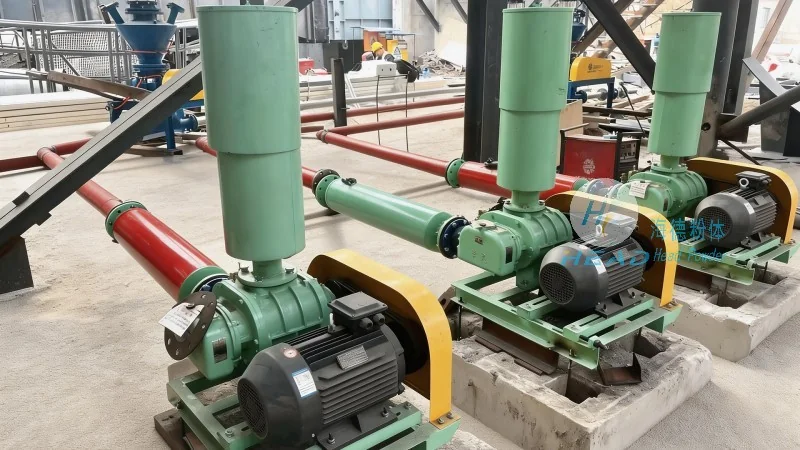
Even the best-designed pneumatic system will underperform without disciplined operation and proactive maintenance. One key practice is regular inspection of wear points. Scheduled wall thickness measurements at bend sections using ultrasonic gauges can predict failures before they occur. Many operators adopt a "first-in, first-out" rotation of replaceable wear components to maximize utilization. Another essential measure is pressure monitoring and data logging. A gradual increase in conveying pressure over weeks may indicate pipeline buildup or filter clogging. Modern systems from headpowder include automated purging cycles that reverse air flow to clear deposits without interrupting production.
Material conditioning is another critical factor. Carburizer powders stored in humid environments should be kept in sealed silos with nitrogen blanketing to prevent moisture absorption. If moisture content exceeds 1.5%, pre-drying using rotary dryers or fluidized bed dryers before conveying can prevent rat-holing in the hopper. For very fine powders that tend to aerate and flood, mechanical agitators or air-assisted discharge cones improve consistency. Additionally, changing air filter cartridges according to the manufacturer's differential pressure recommendations—not just calendar intervals—can reduce blower energy consumption by 10–15%.
Training operators to recognize early warning signs is invaluable. For example, a sudden drop in conveying rate accompanied by high vibration may signal a rotary valve jam. A checklist for daily startup routines—checking air pressure, valve alignment, and silo level—can catch 80% of potential issues. Many facilities now implement digital twins that simulate the conveying process and provide recommendations for parameter adjustments. By combining sensor data with machine learning models, it is possible to predict the remaining life of pipeline elbows within ±10% accuracy. This proactive approach reduces unplanned downtime and extends the interval between major overhauls from 12 months to over 24 months in many installations.
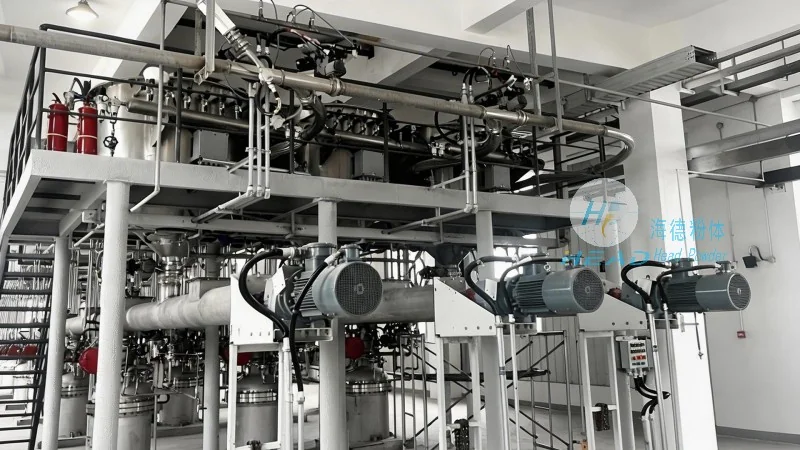
Real-world implementations demonstrate the impact of optimized pneumatic conveying for carburizer powders. Consider a large steel mill in Southeast Asia that operates three electric arc furnaces producing 1.5 million tons of billet per year. They faced chronic issues with petroleum coke powder segregation and pipeline wear, resulting in frequent 8-hour shutdowns. After transitioning from a dilute-phase system to a custom dense-phase system designed by headpowder, they achieved a 40% reduction in energy consumption, 60% less pipe wear, and carbon recovery rates improved from 87% to 94%. The system incorporated ceramic-lined bends, a variable-speed compressor, and an advanced PLC with remote monitoring. In another case, a graphite electrode manufacturer needed to convey fine flake graphite over a 200-meter route with zero contamination. Using a vacuum-based dense-phase design with stainless steel pipelines and nitrogen purge, the plant maintained product purity below 0.02 ppm of iron pickup—meeting stringent specifications for battery-grade carbon. These examples underscore that equipment alone is not enough; deep process knowledge in powder characteristics, fluid dynamics, and control logic is essential. headpowder has built a portfolio of over 300 successful installations worldwide, with reference cases spanning steel, aluminum, silicon metal, and carbon electrode industries. By providing turnkey engineering—from material testing in our pilot lab to on-site commissioning and operator training—we help clients achieve industry-leading performance. For any inquiries related to carburizer powder conveying system design or upgrade, please contact our technical specialists (咨询热线:156-6277-7102).
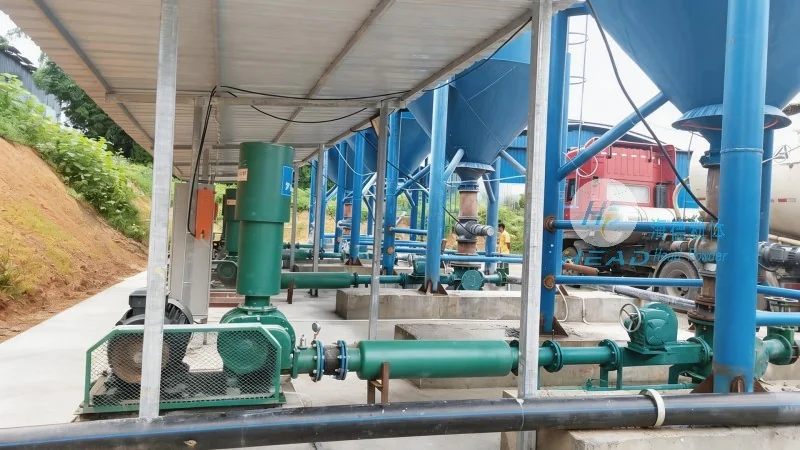
Looking ahead to 2026 and beyond, several trends will reshape carburizer powder pneumatic conveying. First, sustainability regulations are driving the adoption of closed-loop, low-emission systems. The European Union's Best Available Techniques (BAT) reference document for ferrous metal processing now mandates that dust emissions from powder handling remain below 5 mg/Nm³—a standard achievable only with high-efficiency filtration and sealed conveying. Second, digitalization and Industry 4.0 are being integrated at an accelerating pace. Smart conveying systems with IoT sensors can feed real-time data into plant-wide digital twins, enabling predictive maintenance and dynamic optimization of conveying parameters based on upstream production rates. Third, the shift toward green steel production, which often uses hydrogen-based direct reduction, requires carburizer powders with ultra-low nitrogen and sulfur content. These refined products demand even more gentle handling to avoid contamination, reinforcing the case for dense-phase pneumatic systems with inert gas blanketing.
Another emerging trend is the use of alternative carbon sources, such as biocarbon (from coconut shells or wood waste), which have different flow characteristics than traditional petroleum coke. Conveying systems must be flexible enough to handle multiple feedstocks without extensive reconfiguration. Modular system designs with quick-change components and adjustable air controls are becoming standard. Additionally, energy cost volatility is pushing users to invest in energy recovery systems—for instance, using the exhaust air from pneumatic conveyors to preheat combustion air for boilers or dryers, reducing overall plant carbon footprint by 5–8%.
For plant managers and decision-makers, the takeaway is clear: investing in a well-engineered pneumatic conveying system for carburizer powders is not a one-time capital expense but a strategic enabler of operational excellence. The cost of poor system selection—through lost production, increased maintenance, and product quality issues—can exceed the initial equipment price within two years. By partnering with experienced suppliers who offer thorough material characterization, proprietary simulation tools, and long-term service support, companies can future-proof their operations against regulatory changes and market shifts. headpowder remains committed to advancing this field through continuous R&D into wear-resistant materials, energy-efficient conveying, and intelligent controls. Our team is available to discuss your specific requirements, whether for a greenfield plant or a retrofit of existing lines. (咨询热线:156-6277-7102)

 Shandong headpowder Engineering Co., Ltd.
 156-6277-7102(Manager Zhang)
  0531-83386006
  Jinan City, Shandong Province, China
服务热线
微信咨询
回到顶部